


 Shkruar nga Pamfleti
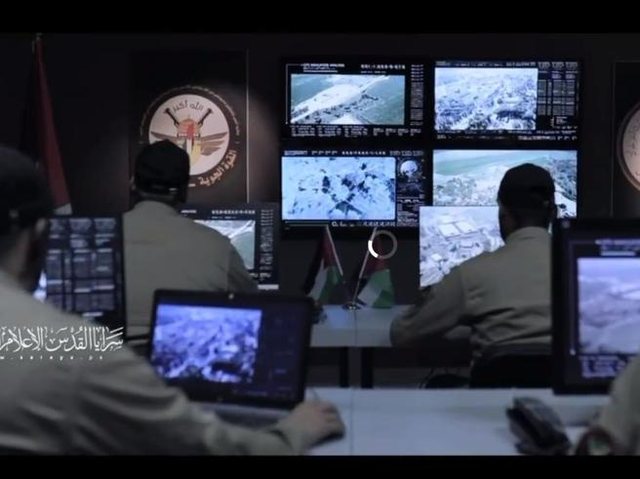
Most of the leaders of Hamas are not at the front at all, they are monitoring the operation from afar....
Large monitors, low light and uniformed militants, this is the view inside a Hamas center, which was monitoring the action of the Mujahideen in Israel LIVE. It is about one of the sections of the "unified command" created in 2018, a structure to which about ten Palestinian factions in Gaza have joined.
This is one of Israel's objectives, but it is not easy to identify. They may be in a bunker and have dozens of parallel centers capable of guaranteeing the continuity of the hierarchical chain, divided between the remaining leaders in the Gaza Strip and their "brothers" abroad. Each with its own referents, specific weight, special more or less transparent relationships. It has always been like this, a physical distance that has sometimes turned into a source of conflict, jealousy, suspicion. But also an indicator of popularity: those who remained in the "cage" and defied the bombs are seen with a different eye, compared to the "politicians" sheltered abroad. The Arab media reported this afternoon the news of the murder of two members of the "political bureau", Jawad Shammala and Zakaria Abu Amar.
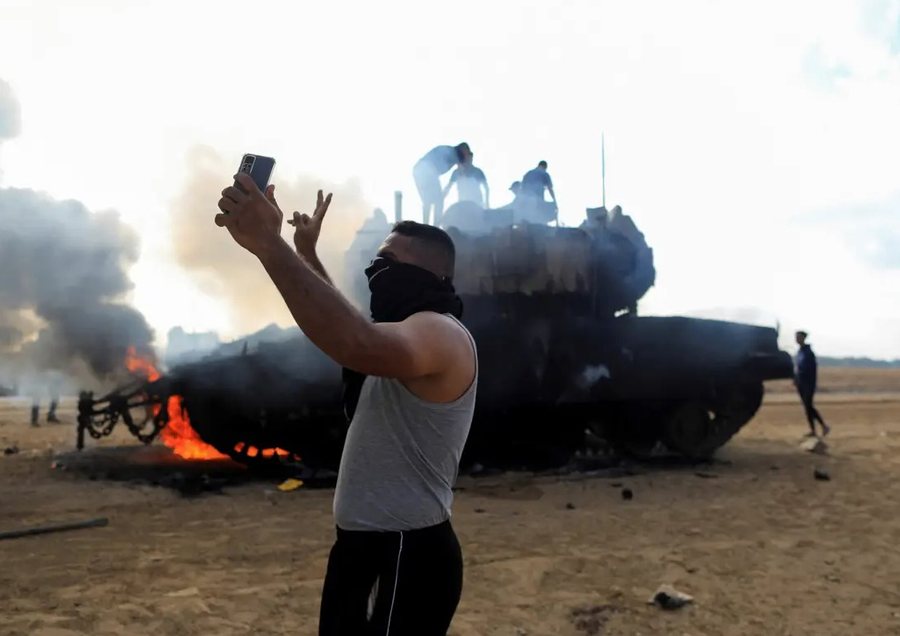
On the ground, leadership is in the hands of Mohammed Deif, head of the Ezzedine al Qassam Brigades. After surviving a series of endless assassinations, he is transformed into a shadow that leads the warriors. Repeated battles have taught his militias how to increase security around him, knowing that the Shin Bet (Israeli military service) promises gold to anyone who can reveal his whereabouts.
He may be under a building or a mosque, in an unsuspecting area, or in a bunker that withstands heavy bombardment. There is also a security cord in front. The first to maintain his location, the second to prevent his assassination. Hamas took note of his death: "We don't deny that the eliminations leave a mark, but they represent something sacred to us, connected to our destiny and drive us to fight again," explained a Palestinian voice.
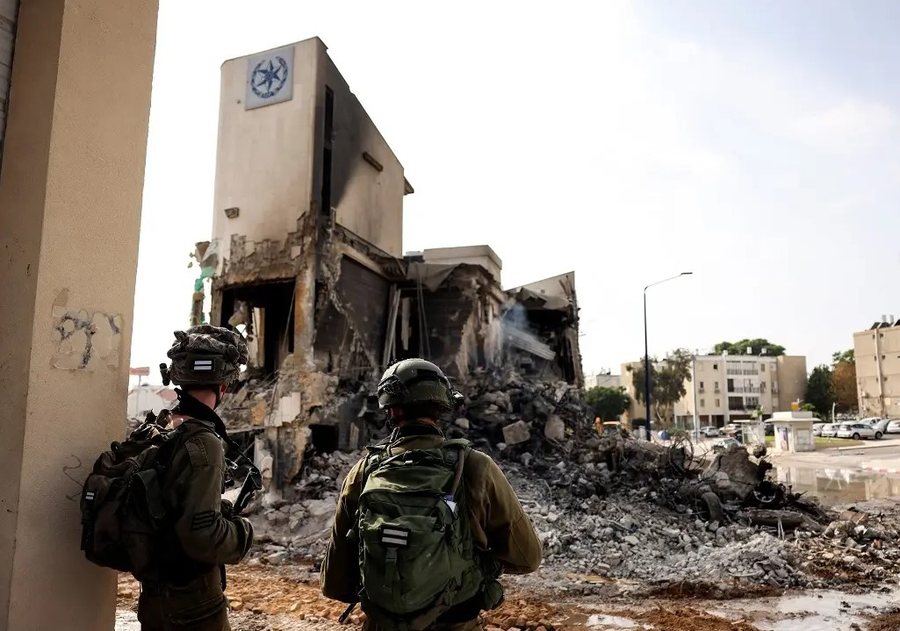
Situatë e ndryshme është për Yahya Sinwar, liderin politik, i cili mbeti në Gaza. Izraelitët e kanë përfshirë në listën e më të kërkuarve prej disa kohësh, por shërbimet sekrete egjiptiane në të kaluarën i kanë kërkuar Jerusalemit “të mos e prekin” si bashkëbisedues në çdo negociatë. Nuk e dimë nëse ky rregull zbatohet ende. Në teori, liderët e lartë të mirëpritur në Katar, janë më të sigurt. Doha është shtëpia e dy emrave të rëndësishëm si Haniyeh dhe Khalil al Hayya. Nga Katari, ata zhvillojnë takime negociata. Ata lëvizin lirshëm në Iran.
Megjithatë, eksponentët që rrinë në Liban dhe zonën përreth, kanë më pak garanci. Mbi të gjitha Saleh al Arouri, një figurë me rol ushtarak dhe politik, shumë i pranishëm në skenë. Jerusalemi e ka në shënjestër, ka lëshuar paralajmërime që kanë provokuar kërcënime nga lëvizja në rast se goditet.
Other members have settled in Turkey, guests of an unstable Erdogan. He supports the faction on behalf of the Muslim Brotherhood, but has on several occasions invited members to move elsewhere.
In the last two years, Turkish intelligence announced the capture of Mossad spies, often Palestinian, tasked with monitoring the extremist community. In the summer, Turkey allegedly dismantled a "ghost" network of 56 elements, equipped with technological means and run by Israelis.
So most of the leaders are not in the Gaza Strip at all, but see the war as spectators. / Adapted "Pamphlet" from "Corriere Della Sera"


Lini një Përgjigje