


 Shkruar nga Pamfleti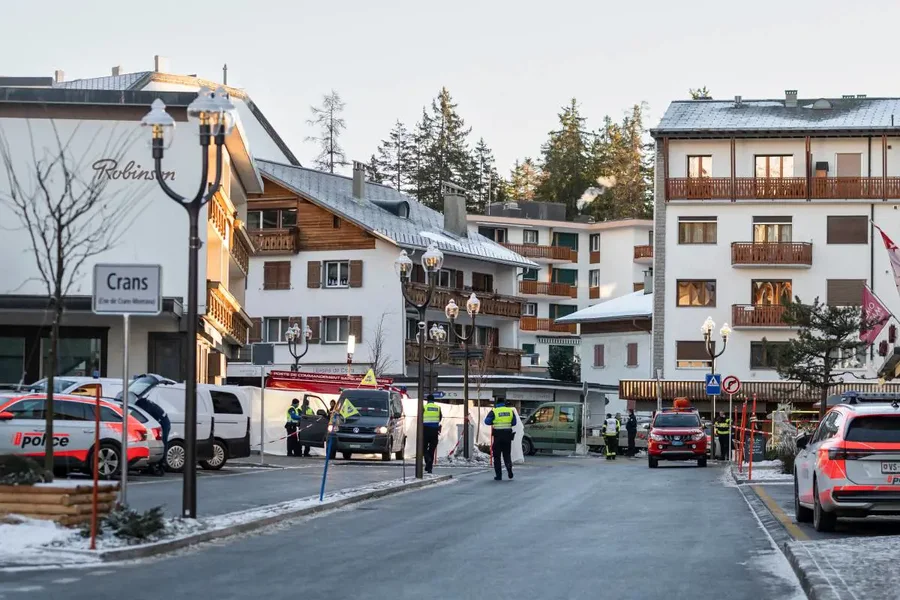
The Ajaccio mafia controls weapons, drug trafficking and extortion. Two active domes (for years): Petit Bar and the Mattei clan…
The tragedy that occurred in Crans Montana, where dozens of people lost their lives and were injured as a result of flames engulfing a youth club, has sparked a new debate, which seems to also involve the Corsican mafia.
Although there is no investigative evidence linking the local New Year's Eve bonfire scene to the Ajaccio gangs, certain circumstances are emerging in the shadow of an octopus over the Swiss city, consistent with the typical characteristics of a non-top-down structure, developed by new recruits and old clans, who now share the power once held by the undisputed boss Jean-Baptiste Jérôme Colonna.
Over the years, the Corsican mafia has flourished on the island, staying out of the international anti-mafia spotlight. And so it has grown its power, wielded by 20 groups led by two distinct clans, the Petit Bar gang and the Mattei clan, to the point of crossing national borders and threatening European economies.
Outside Corsica, the organization does not operate as it does on the ground, but pursues what has become the main objective of criminal gangs: money laundering. The proceeds from extortion, drug trafficking, arms trafficking and waste, the main criminal activities of the Corsican clans, are entirely reinvested in recreational businesses, such as nightclubs, restaurants, bars and gambling halls.
This was stated in a report last July by the Service of Information, Research and Strategic Analysis on Organized Crime (Sirasco), the French judicial police team responsible for collecting information on organized crime, following the significant influence of the Corsican mafia on the social and economic life of southern France. Its infiltration "in political, social and economic sectors," it says, has managed to "dominate the legal activities that they find most profitable."
It is no coincidence that last June, the French Minister of Justice, Gérald Darmanin, announced the creation of an anti-mafia unit, based in Bastia and composed of highly trained personnel, tasked with fighting organized crime in Corsica, where "a vast reorganization is underway that is shaking the local balance and raising fears of an escalation of tensions," writes Sirasco.
In short, it seems that France realized that it had the Corsican mafia on its doorstep only a few months ago, 30 years after the establishment of the National Anti-Mafia Directorate commissioned by Giovanni Falcone.
Meanwhile, a massacre of young people is now raising questions in Switzerland about the alleged links between politics and the economy of Ajaccio's bosses. /Adapted from Il Giornale/



Lini një Përgjigje