


 Shkruar nga Pamfleti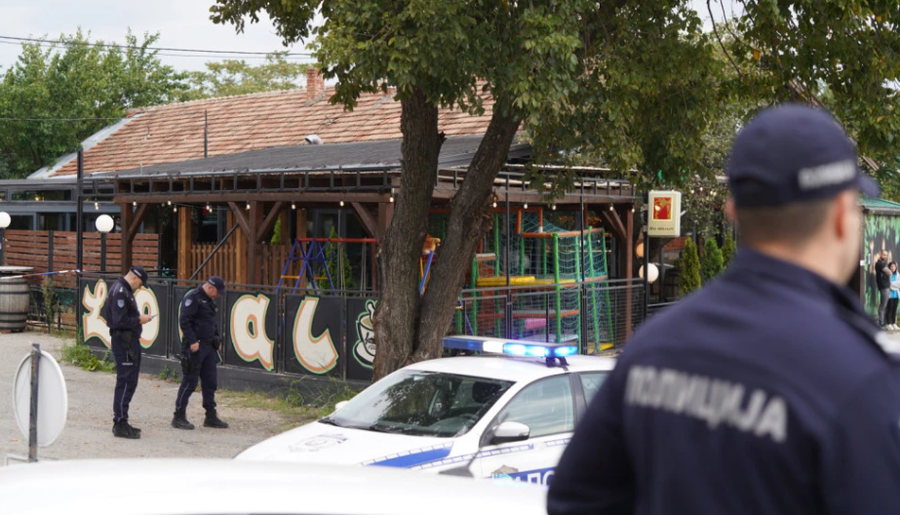
Vučić's Serbia is trying to maintain the image of "regional stability", while it itself fails to guarantee the lives of its citizens in the midst of Belgrade...
Another wave of violence has shaken Belgrade, reigniting citizens' fears about public safety in Serbia.
According to the official announcement of the Ministry of Interior, a gunman opened fire inside a bar in the Višnjička Banja neighborhood, killing a 51-year-old woman and wounding five others, three men and two women. The perpetrator fled the scene in a white van, while the Serbian police have announced an operation codenamed "Vihor 3" to capture him.
The incident marks another dramatic episode in a long series of gun incidents in Serbia, a country that has long faced alarming levels of organized crime and the free circulation of illegal weapons.
After the massacres of May 2023, when Serbia was rocked by two bloody attacks within 48 hours, the authorities promised stricter controls and police reforms. But tonight's reality shows that the Serbian state continues to have serious gaps in public security.
This assassination in the heart of the capital is not just an isolated criminal act, but a symptom of the broader crisis of the Serbian state, where links between organized crime structures and politics are often mentioned by international reports.
Vučić's Serbia is trying to maintain the image of "regional stability", while it itself fails to guarantee the lives of its citizens in the middle of Belgrade.
For the region, this event is another reminder that Serbia remains the epicenter of insecurity in the Balkans, with a militarized society, thousands of weapons in circulation, and a political climate that often fuels tensions instead of quelling them./ Pamphlet








Serbia e Vuçiçit si Albania e Rames. Njejte