


 Shkruar nga Pamfleti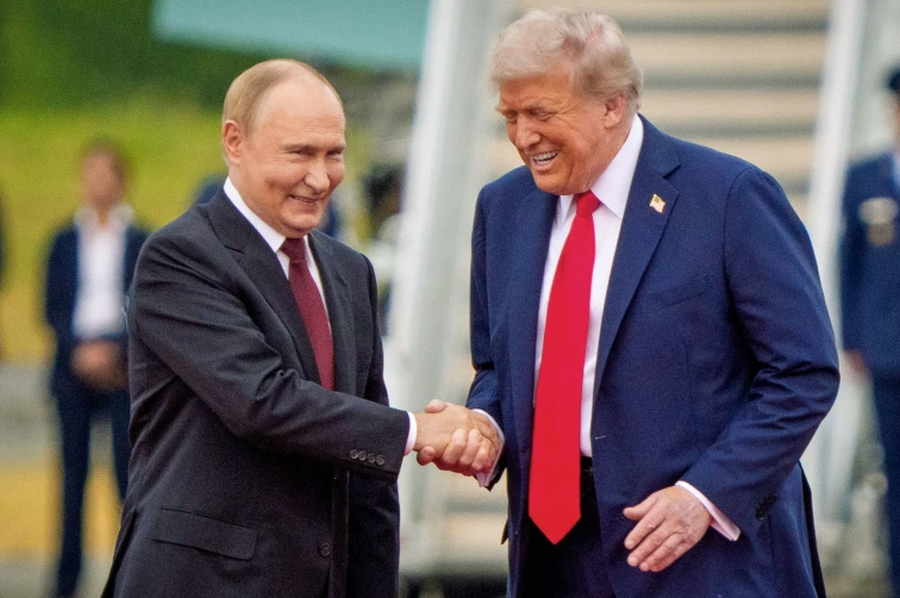
For Russia, rising oil prices represent an economic windfall...
Russian President Vladimir Putin began the new year facing a painful choice: limit his so-called special military operation in Ukraine or risk serious damage to his economy.
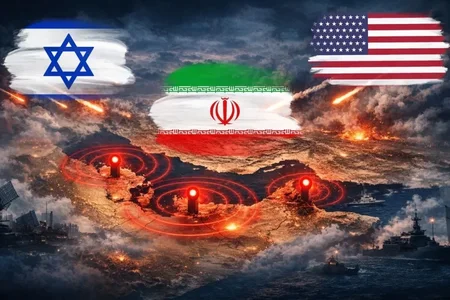
Almost overnight, US President Donald Trump gave him the solution. US-Israeli attacks on Iran have driven up oil prices, boosting the Kremlin's main source of revenue and making it easier for Putin to continue his war effort.
After Israel bombed Iranian oil facilities this weekend, crude oil prices surged above $100 a barrel, reaching their highest level since the summer of 2022, when markets rose sharply following Russia's full-scale invasion of Ukraine.
For Russia, the rise in oil prices represents a windfall economic gain at a crucial moment, as the cost of four years of war in Ukraine threatened to turn into a domestic economic crisis.
The attack on Iran may undermine Moscow's claim to stand by its allies, but it is already benefiting Russia's economy and, by extension, its war against Ukraine, leaving the Kremlin well-positioned to emerge as one of the main beneficiaries of the widening conflict in the Middle East.
Just a few weeks ago, the mood among Russia’s economic elite was gloomy. The Russian finance ministry’s budget plan for this year assumed a baseline price of $59 per barrel for Urals crude, the country’s main export blend. But in January, energy revenues fell to their lowest level since 2020, adding to a disappointing tax burden.
As Western sanctions, high interest rates and labor shortages strained the economy, tension between the finance ministry and the central bank over how to mitigate the damage became increasingly apparent.
“It was far from a collapse. But the government was facing difficult choices, it had to cut its spending and raise taxes and even consider some reduction in military spending ,” said Sergey Vakulenko, a senior fellow at the Carnegie Russia-Eurasia Center.
Vakulenko added that stopping the war in Ukraine was never on the table, but it was becoming clear that even on that front, Russia would have to "save a little."
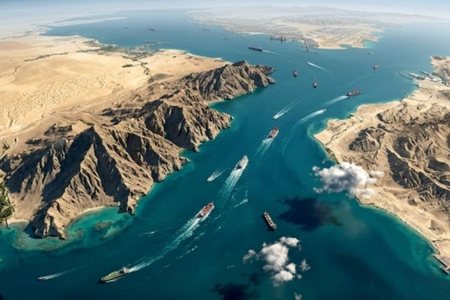
Then Israel and the US attacked Iran. As Tehran retaliated and the conflict escalated into a regional war, shipping through the Strait of Hormuz has ground to a halt, driving up oil prices.
“Suddenly, Moscow got this gift. They had their lifeline,” said Vladimir Milov, a former deputy energy minister turned exiled Kremlin critic. These days, he added, Russian officials are “very, very happy.”
-'Strategic mistake'
Instead of being sold at a discount because of Western sanctions, Russian crude could now command higher prices as its main buyers, India and China, scramble to secure supplies. What’s more, they will have Washington’s blessing. Last Friday, the U.S. Treasury issued a 30-day waiver allowing India to buy Russian crude to keep oil flowing to the global market.
A day later, Treasury Secretary Scott Bessent said the United States could “lift sanctions on other Russian oil,” a significant shift from last year’s policy of penalizing countries for buying Russian energy. As expected, the Kremlin is using the moment to its full advantage.
" Russia was and continues to be a reliable supplier of both oil and gas ," Putin's spokesman, Dmitry Peskov, told reporters on Friday in what sounded like a sales pitch, adding that demand for Russian energy products had increased.
Meanwhile, Kremlin aide Kirill Dmitriev boasted in a series of posts on X that “the oil shock tsunami has just begun ,” criticizing Europe’s decision to cut off Russian energy as “a strategic mistake.” On Monday, pro-Kremlin commentators circulated a Wall Street Journal article predicting that oil prices could rise to $215.
-Long game
Energy experts warn that it is too early for Moscow to declare victory. Whether the Iran crisis will be a cure for Russia's economy depends directly on its duration.
Milov, the former deputy energy minister, said that, to make a significant difference to the economy, Russia would need oil prices to remain at current levels for about a year.
"A month or two of high prices would certainly help, but it wouldn't save it ," he said.
A brief price hike will only help postpone difficult decisions. There is another reason why Moscow will hope the war drags on: With each day of fighting, the US is depleting the stockpiles of weapons that Ukraine relies on to defend itself.
According to media reports, Russia has provided Iran with intelligence information to help it target American warships and aircraft.
The killing of Iran's leader, Ali Khamenei, in a US-Israeli air strike may have dealt a blow to Russia's promise to protect its allies, but Putin may ultimately decide it was a price worth paying. / Adapted from "Pamphlet" by "Politico"



Asnje e mire nuk vjen nga njerezit qe nuk kane moral.