


 Shkruar nga Pamfleti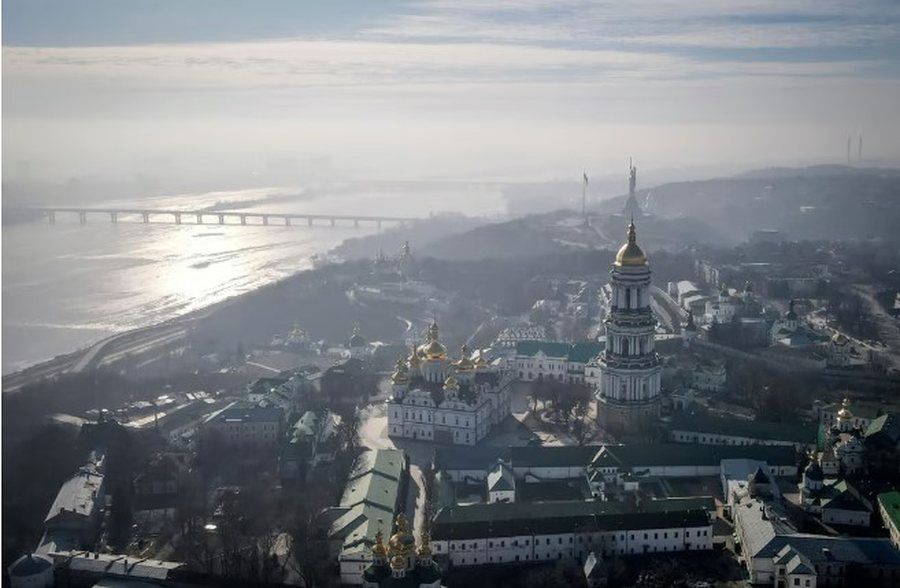
After the European Council finally approved a 50 billion euro aid package for Ukraine and after Kiev welcomed the move, it is already said that this aid will not be of great importance to Ukraine.
Politics. The eu has analyzed the aid that will be given to Kiev in the long term, and explained why it will not actually represent a significant financial injection for Ukraine.
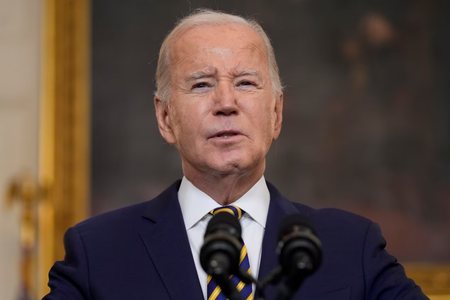
"Europe thought it could count on the US to make a significant contribution to keeping Ukraine alive. However, President Biden's inability to 'push' through Congress a $60 billion aid package not only leaves Ukraine in the lurch, but is also a sign of what an eventual Trump victory could bring," explains Politics.
While the aid of 50 billion euros designated by the EU for Ukraine represents a long-term financial plan in the period until 2027, the International Monetary Fund estimated that this year alone Ukraine lacks 40 billion dollars to repay international obligations.
"For Kiev, one of the biggest risks is that the lack of aid is likely to push it to print significant amounts of new money," it said, among other things.
Many European officials are aware of the fact that 50 billion euros does not mean much for Ukraine.
"Everyone understands that 50 billion euros is not enough. Europe understands that it must step up its efforts. By this I mean finding new ways of financing", said the Belgian politician Johan Van Overtveldt.
According to World Bank estimates, Ukraine's long-term reconstruction needs amount to $411 billion.
"In Brussels and in the capitals of EU member states, thinking is turning to alternative ways to raise money. There is an understanding that at some point Kiev will have to learn to stand on its own two feet. Ukraine must become self-sustainable in the future because it cannot sustain half of its budget through external financing," said Matteo Patrone, an official working for Ukraine at the European Bank for Reconstruction and Development.
Until now, Kiev has relied on grants from Western countries and grants to cover basic social costs such as salaries of civil servants, medical and educational workers.
"Brussels and Washington have been the biggest financial supporters of Ukraine. The funds are also planned for this year, but the amount that the EU will give to Ukraine until 2027 may decrease every year," writes Politico.





Lini një Përgjigje