


 Shkruar nga Pamfleti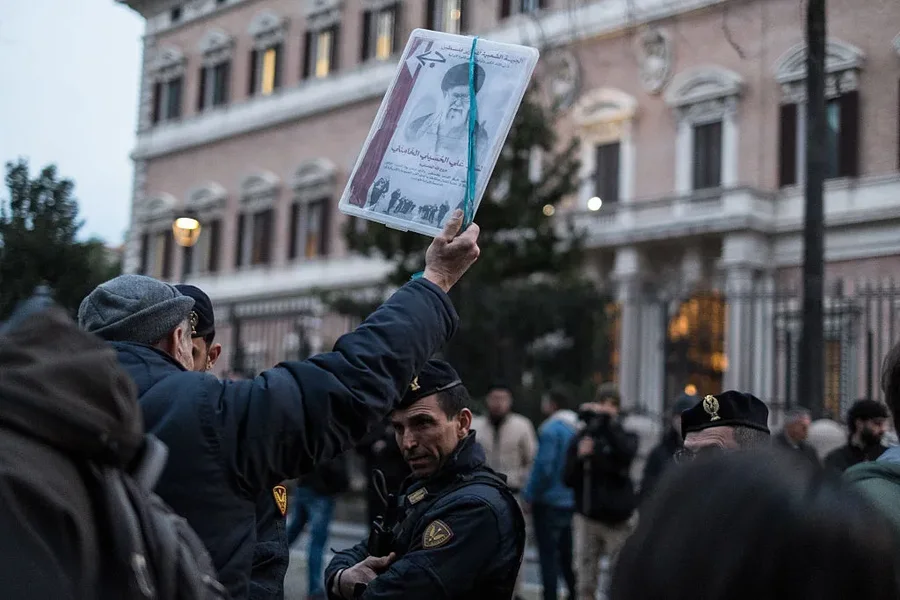
European governments' cautious reactions to US-Israeli attacks reflect fears of internal destabilization and security threats
America's war on Iran has revealed much about its allies. Israel remains as steadfast as ever, Defense Secretary Pete Hegseth stressed on Monday. Australia and Canada have also expressed clear and unconditional support for military action.
In Europe, however, the response has been lukewarm. Hegseth lamented the lack of determination from “traditional partners who shake hands with apprehension and hesitate to use force.”
This includes Keir Starmer, who has reportedly “disappointed” President Trump for his reluctance to fully align Britain with America. But Britain is not alone on the Old Continent, especially in Western Europe. Hours after the attacks on Iran were launched, Spain’s socialist prime minister, Pedro Sánchez, declared on Platform X that “we reject the unilateral military action of the United States and Israel.” On Sunday, Israeli Foreign Minister Gideon Sa’ar accused the Spanish government of “standing on Iran’s side.” Spanish Foreign Minister José Manuel Albares called the claim “absurd and ridiculous.”
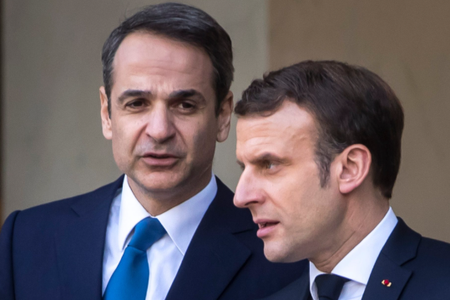
Europe’s instinctive reaction to the US attack on Iran was one of concern. Emmanuel Macron warned of “escalation” and declared that “diplomatic efforts must regain their rightful place.” The president of the European Commission, Ursula von der Leyen, also expressed “deep concern” about the attack and called on all parties to show “maximum restraint.”
Foreign ministers from the 27 EU member states held an emergency meeting on Sunday evening, after which they issued a joint statement calling for “full respect for the United Nations Charter and international humanitarian law.” They also expressed alarm that the conflict “could threaten the Middle East, Europe and beyond.”
Europeans’ cautious stance on regime change in Iran stands in stark contrast to their more aggressive stance on regime change in Russia. Last year, Von der Leyen called Vladimir Putin a “predator” who “can only be restrained by strong means.” In November, Macron declared that Europe “must show that it is not weak in the face of the power that threatens us.”
Why this difference? According to the argument presented, Russia, despite its actions, does not have the means to incite civil unrest in Western Europe. The Islamic Republic of Iran does.
Vlerësohet se në Evropë jetojnë rreth 45 milionë myslimanë, afërsisht 6 për qind e popullsisë së përgjithshme. Natyrisht, shumë prej tyre mund të mbështesin sulmin amerikan dhe izraelit ndaj Iranit, duke pasur parasysh masakrat që Teherani kreu ndaj dhjetëra mijëra protestuesve në janar. Megjithatë, bie në sy fakti se ndërsa që nga viti 2023 në qytetet e Evropës Perëndimore janë zhvilluar protesta masive në mbështetje të palestinezëve, protestat në mbështetje të iranianëve kanë qenë të pakta.
Qeveritë evropiane hezitojnë të mbështesin plotësisht goditjet e udhëhequra nga Amerika kundër Iranit, sepse druajnë se konflikti mund të përhapet në rrugët e tyre. Ky shqetësim nuk konsiderohet i pabazë; disa parti të majta në Evropë e shohin sulmin amerikan si mundësi për të forcuar kredencialet e tyre të ashtuquajtura “islamo-gauchisme”. Zack Polanski, drejtues i Partisë së Gjelbër që po fiton terren, deklaroi në fundjavë se sulmi amerikan ishte “i paligjshëm dhe i paprovokuar”.
Krahu skocez i partisë e përshkroi Donald Trumpin si “gangster” që po demonstron “përbuzje të plotë për të drejtat e njeriut, ligjin ndërkombëtar dhe negociatat”.
Në Francë, partia “La France Insoumise” e Jean-Luc Mélenchon mbajti një qëndrim të ngjashëm kritik. Një nga figurat e larta të saj, Rima Hassan, shkroi në X: “Irani ka të drejtë të mbrohet dhe Izraeli ka të drejtë të heshtë.”
Sipas këtij argumenti, armiqësia ndaj Izraelit brenda një pjese të së majtës evropiane është aq e fortë, sa disa janë të gatshëm të mbështesin regjimin iranian, veçanërisht nëse e konsiderojnë këtë si të favorshme në planin elektoral.
Kjo nuk e surprizon Gilles Kepel, një nga politologët më të njohur francezë, autor i disa librave mbi islamizmin. Në një intervistë të dielën, ai parashikoi se lufta me Iranin do të “importohet” në Evropë, ashtu siç ndodhi me konfliktin në Gaza. “Dekolonizimi dhe ‘woke-izmi’ janë pasardhës të Revolucionit Iranian [të vitit 1979]”, shpjegoi ai. “Një përzierje e majtizmit, botëkuptimit të botës së tretë dhe islamizmit.”
Qeveritë evropiane shqetësohen jo vetëm për protestat në rrugë, por edhe për mundësinë e sulmeve terroriste. Një javë më parë, New York Times raportoi se zyrtarë perëndimorë të sigurisë po monitorojnë “shenja gjithnjë e më shqetësuese” se Irani mund të urdhërojë përfaqësues të tij të kryejnë sulme terroriste në Evropë.
Një raport i vitit të kaluar në Francë, i bazuar në burime të inteligjencës, përshkroi shtrirjen e kërcënimit që paraqet regjimi iranian. Ndër “përfaqësuesit” e tij në Francë përmendeshin persona të rekrutuar “nga rrjete kriminale apo edhe nga trafiku i drogës”.
Finding proxies has become easier for the Iranian regime because of Europe’s inability to control its borders. The BBC reported last week that the number of migrants who crossed illegally from France to England in small boats in 2025 reached 41,262, a 13 percent increase on the previous year. Of that number, 11 percent were Iranian. Most sought asylum, but the question is how Britain can be sure that some of them were not sleeper cells sent from Tehran.
This, in this view, explains Europe's alarmed reaction to the US-Israeli attack on Iran. It knows that the regime is repressive and that most Iranians want liberation, but it also knows that the conflict is likely to spill over its borders.
In fact, the author argues, this conflict entered Europe as early as 1989, when Ayatollah Khomeini issued a fatwa against Salman Rushdie. Thousands of Muslims took to the streets in Britain and France to demand the death of the author accused of blasphemy.
Europe was unprepared for this new religious extremism. According to this assessment, the situation has not changed. /Adapted from The Spectator /


Lini një Përgjigje