


 Shkruar nga Pamfleti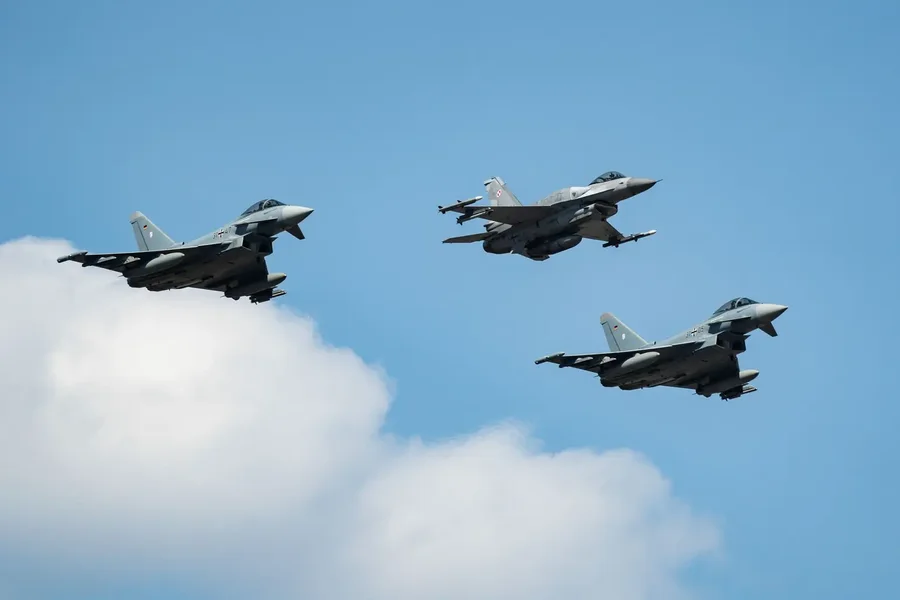
A historic ally of Kiev, Poland has found itself on the front lines of the Ukraine-Russia war. What began as a border crisis in 2021 has now evolved into a full-scale war for security, sovereignty, and survival on NATO's eastern flank.
If there was a moment and a place when Poland realized that the world as we knew it would change, it was August 2021, in the Białowieża Forest, on the border with Belarus.
Suddenly, out of nowhere, thousands of migrants began crossing the country, pushed back by Minsk guards, blocked by Polish forces, and stranded for weeks in the bitter cold of Europe’s last ancient forest. It was then that authorities in Warsaw spoke for the first time of an escalation of Russia’s hybrid war against Poland.
But the world had no idea that just a few months later, Russia would invade Ukraine, and attention focused above all on the 142 migrants who froze to death and also on Poland's early distrust of Russia.
Today we know that this was a fabricated and manipulated crisis by Russian President Vladimir Putin’s vassal, Belarusian President Aleksandr Lukashenko, who was meanwhile amassing troops and resources ahead of the “special operation.” We now know that Warsaw was right to sound the alarm about Russian aggression.
"All countries bordering Russia have a more sensitive seismograph. We feel the danger first. If Russia attacks, we are first in line. That is why we are more vigilant," writer Witold Szabłowski.
On the geographical front line
Since February 24, 2022, Poland has become Europe's bulwark against Putin's aggression. Not only because it shares a 535-kilometer border with Ukraine and over 400 kilometers with Belarus, Moscow's military ally, but since Russia invaded Ukraine, Warsaw has lived as if it were already at war, even without tanks on the streets. On the front line, not only geographically, but also militarily.
The drone attack in the early hours of Wednesday, September 10, is just the latest and most serious attack on Kiev's key ally. Security services say that every day, Poles suffer from the effects of Russia's hybrid warfare: cyberattacks, sabotage, illegal drones and propaganda.
In 2022, immediately after the invasion, the National Cyber Security Agency “Cert Polska” recorded more than 29,000 serious cyber incidents, a 70% increase compared to the previous year.
In 2023, the number increased again, while in 2024 Warsaw reported at least 15 acts of sabotage linked to Russian intelligence: fires in logistics warehouses, disruptions of railway lines leading to Ukraine, and even attacks on energy infrastructure.
Më 18 mars 2024, një depo karburanti në Wroclaw u përfshi nga flakët dhe në Varshavë të gjithë ende e kujtojnë zjarrin në qendrën tregtare Marywilska 44 në maj 2024: 1,400 dyqane dhe një megastrukturë e tërë u rrafshuan me tokë. “Një akt terrorist rus”, përfundoi hetimi.
Fqinji mirëdashës
Dhe pastaj janë dronët. Në fund të gushtit 2025, dy UAV rusë u rrëzuan mbi Podlaskie, pranë kufirit me Bjellorusinë. Nuk ishte hera e parë: që nga shkurti i vitit 2022, Varshava ka raportuar 20 ndërhyrje në hapësirën e saj ajrore. "Një akt agresioni", tha Donald Tusk, i cili në shtator njoftoi mbylljen e përkohshme të kufirit me Minskun.
Mbështetja për Kievin dhe rezistenca ndaj agresionit rus janë të shkruara në ADN-në e Polonisë.
Të jesh bastioni i parë i Perëndimit do të thotë gjithashtu të japësh më shumë se kushdo tjetër. Që nga viti 2022, Polonia e ka furnizuar Ukrainën me më shumë armë, në krahasim me PBB-në e saj, sesa çdo vend tjetër evropian. Sipas Institutit Kiel për Ekonominë Botërore, Varshava ka transferuar pajisje ushtarake me vlerë më shumë se 4 miliardë euro: mbi 350 tanke, duke përfshirë Leopard 2, PT-91 dhe T-72; gati 300 automjete të blinduara; dhe më shumë se njëqind armë artilerie.
“Një investim në sigurinë tone”, theksoi Ministri i Mbrojtjes Radosław Sikorski, i cili shpesh duket i lodhur duke u kujtuar njerëzve se mbështetja për Kievin dhe rezistenca ndaj agresionit rus tani janë të shkruara në ADN-në e Polonisë.
Një kërcënim ekzistencial
Në asnjë vend evropian mosbesimi ndaj Rusisë nuk është aq i rrënjosur sa në Poloni. Polonia ka qenë gjithmonë një tokë pushtimi.
Në shekullin e 17-të sundohej nga carët; në shekullin e 18-të u fshi nga harta me anë të ndarjeve, në shekullin e 19-të u shtyp dhe u rusifikua. Çdo brez ka pasur traumën e vet në duart e Moskës.
Shekulli i 20-të i konfirmoi të gjitha: lufta e vitit 1920, Pakti Molotov-Ribbentrop, Katyni, mbërritja e Ushtrisë së Kuqe në vitin 1945, e ndjekur nga një pushtim tjetër që zgjati deri në vitin 1989. Edhe tragjedia e Smolenskut e vitit 2010 rihapi plagët dhe dyshimet.
Për Varshavën, Rusia nuk është një homologe, por një kërcënim ekzistencial. Kjo është arsyeja pse sot ajo është kryeqyteti më anti-rus në Evropë: Mbështet Kievin, investon më shumë se 3% të PBB-së në mbrojtje, vulos kufijtë e saj dhe ndërton barriera. E bindur se sapo Ukraina të bjerë, do të vijë radha e saj.
Hija e Orbánit
Kufiri është gjithashtu politik, një lidhje me vendet që ndajnë një të kaluar sovjetike, siç janë vendet baltike. Por nuk është më blloku i bashkuar i Vishegradit: Me Hungarinë e Viktor Orbán që mban lidhje të ngushta me Moskën, Varshava ka marrë rolin e avokates së Ukrainës në BE, duke shtyrë për zgjerim që të përfshijë Ukrainën dhe Moldavinë dhe duke mbështetur financim më të madh të përbashkët të mbrojtjes.
Relations with Prague and Bratislava are unstable. The natural axis is with the Baltic states and Germany, despite the ongoing distrust. Even with the tensions between Prime Minister Tusk and the new President Nawrocki, the sense of threat keeps society united.
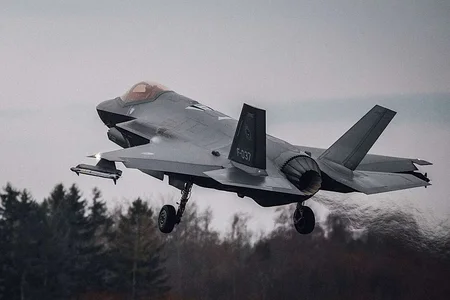
Poland aims to invest 4% of its GDP in defense by 2026. It has signed billion-euro contracts with South Korea and the United States for new tanks, howitzers, Patriot systems and aircraft. A rearmament program that Tusk calls a "guarantee of survival" and that is transforming Poland into the European Union's largest land military power. / Adapted from "Pamphlet" by "WorldCrunch".




Lini një Përgjigje