


 Shkruar nga Lorenzo Forlani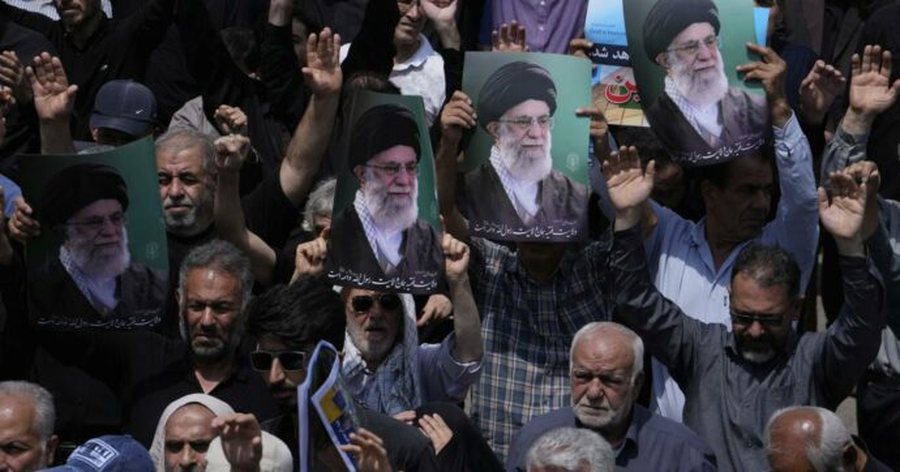
The regime's narrative, which has always been built on a rhetoric of self-defense against Israeli aggression, has begun to gain cross-party consensus...
During the 12-day war between Iran and Israel, the Tel Aviv government made it clear that the goal of its attacks was not only to slow down Iran's nuclear program, but also to cause a domestic political escalation in Tehran, potentially leading to regime change.
However, Israel's direct attacks have shifted the focus of the domestic debate to Iran itself, not in the direction Netanyahu wanted, but in the opposite direction.
The war, in the eyes of many Iranians, no longer seems like an ideological abstraction of a regime with a perpetually antagonistic stance: it has crossed borders and arrived home, reawakening an unbridled nationalism, even among those who until a few months ago considered the regime's tendency to channel resources towards its regional allies inappropriate or false, with the aim of increasing asymmetric defense and strategic depth.
And it is for this reason that in this changed political and psychological landscape that the regime's own narrative, always built on a self-defensive rhetoric against Israeli aggression, has begun to gain a more transversal consensus, even among segments of the younger generations, less religious but perhaps more nationalist, something that seemed unimaginable until a few months ago.
As early as June 23, on Channel 3, the new presenter Amir Hossein Tamahsebi had opened his broadcast in clear tones, announcing the beginning of the era of "nuclear uncertainty", in which "we will enrich it to the level we prefer"; on July 13, on the popular YouTube channel Khate, security expert Abolfazl Bazargan had gone even further, explaining directly that Iran should not only equip itself with a bomb, but "carry out nuclear tests as soon as possible", insisting on the dimension of deterrence.
"A nuclear bomb is not meant to be used, but only to deter a foreign attack," Bazargan explained, then focusing on the uselessness of a tactical device for these purposes.
According to him, "a tactical device mounted on a missile must be used, and if you use it against a superpower, you should expect painful consequences."
"Iran must test a conventional nuclear bomb that displays 'mushrooms' and demonstrates to the world its deterrent capability, because its very survival and future depend on this bomb. It is no longer an option, but a necessity," he concluded, referring to an amendment to Khamenei's famous fatwa against nuclear weapons.
A week ago, parliamentarian Abolfazl Zorehvand, a member of the Iranian Parliament's Foreign Policy and Security Committee, had expressed a similar opinion.
"I have always believed in the need for prevention, but for religious reasons, I have always been against the atomic bomb.
"However, today we must pay special attention to the concept of the threshold: we must stay below it, but be ready to quickly cross it in the event of a foreign attack," Zorehvand explained.
"This threshold policy means that in the event of an attack, we must be able to build the largest possible number of atomic bombs within 48 hours." Iran is known to already have 400 kg of uranium enriched to 60%, which is very close to the threshold in question.
As Narges Bajoghli has pointed out in Foreign Policy, even the “silent majority,” that segment of the urban, educated, and often openly critical segment of the Islamic Republic’s geopolitical priorities, is now reconsidering its stance. For years, this segment of society has questioned the massive resources allocated to supporting allied militias in Lebanon, Iraq, Syria, and Yemen, viewing the aforementioned “strategic depth” as a waste of domestic needs. However, what once seemed like an ideological obsession of the establishment is now taking on the characteristics of cautious foresight, or at least a stance with its own apparent logic.
This shift in perception is not merely rhetorical. The Iranian response is now moving on three tracks: a new and increasingly popular belief that Tehran must equip itself with a nuclear weapon that it has never actually pursued in order to effectively deter future attacks; a general acceleration in conventional militarization; and a general strengthening of the domestic narrative.
On the military front, the (still unconfirmed) news of Tehran's purchase of Chinese J-10 fighter jets, among the most advanced fighter jets produced by Beijing, would mark a qualitative leap in Iran's defensive and offensive capabilities. After years of embargoes and restrictions imposed by the international sanctions regime, the Islamic Republic seems determined to close the technological gap that separates it from its regional enemies. This is not an arms race for its own sake, but a response to an escalation that makes Israel appear, even in the eyes of those who have always encouraged Iranian regional activism, increasingly inclined towards direct action, outside the traditional logic of deterrence.
Bashkimi i presionit të jashtëm dhe konsensusit të brendshëm është paradoksi mbi të cilin bazohet sot rilegjitimimi i boshtit principalist, rryma politike më ekstremiste në sistemin iranian. Nëse në vitet e kaluara ai luftonte për të gjetur legjitimitet midis një popullsie të rraskapitur nga kriza ekonomike , korrupsioni dhe shtypja sistematike e të drejtave civile, sot ai e gjen veten pothuajse papritur të forcuar, pikërisht në sajë të vizionit të tij të pakompromis. Një vizion që nuk paraqitet më si fryt i "paranojës ideologjike", por si një përgjigje realiste ndaj një kërcënimi gjithnjë e më konkret, tani të prekshëm.
Sulmet izraelite, larg dobësimit të programit bërthamor të Iranit, duket se kanë pasur efektin e kundërt: përshpejtimin e legjitimitetit të tij të brendshëm dhe ndoshta edhe atë të vetë regjimit. Jo domosdoshmërisht për shkak të një konvergjence të papritur mbi idealet e Republikës Islamike , por më tepër për shkak të një shqetësimi të vërtetë ekzistencial , të lidhur me integritetin dhe sigurinë e vetë vendit.
Iluzioni i Tel Avivit apo llogaritja se një sulm i ashpër ndaj strukturave ushtarake iraniane mund të nxisë një lëvizje proteste që do të çonte në "ndryshim regjimi", tani duket i paplotësuar. Në realitetin e një vendi që gjithmonë ka refuzuar nga brenda "stimujt" e jashtëm për ndryshim, që nga grushti i shtetit i vitit 1953 kundër qeverisë së Mossadegh, rreziku i vërtetë është ai i forcimit të regjimit, si në aspektin e autoritetit të brendshëm ashtu edhe të projektimit të tij strategjik. Jo sepse protestat janë zhdukur, pakënaqësia mbetet reale dhe ka të ngjarë të jetë ende e përhapur, por sepse dimensioni i sigurisë kombëtare, i cili për shumë iranianë ishte dytësor, është rifituar në qendër të vëmendjes, duke i lënë çështjet e lirisë dhe drejtësisë sociale në një sfond që, për shumë, tani duket më pak prioritar, ose të paktën më i largët.
Kjo nuk është hera e parë që Irani ka përthithur një tronditje të jashtme, duke e rikonfiguruar atë nga brenda. Regjimi kishte përjetuar tashmë një fazë, në shumë mënyra themelore për nacionalizmin e tij dhe vetë revolucionin, të bashkimit të brendshëm në tetë vitet e para të ekzistencës së tij, që përkonte me luftën e "imponuar" kundër Irakut. Por ajo që e dallon këtë fazë është përhapja e saj sociale, e kombinuar me polarizimin ndërkombëtar në rritje.
Edhe segmente të kampit tradicionalisht më pacifist, jo veçanërisht të mësuar me retorikën rreth "Satanit të Madh", po fillojnë të ndajnë idenë se izolimi i Iranit nuk është vetëm pasojë e zgjedhjeve të Teheranit, por edhe fryt i një rendi rajonal dhe global që e ka braktisur vendin në fatin e tij, para dhe gjatë gjenocidit në Gaza, në të cilin Teherani dukej se lëvizte në vetmi të plotë.
The silence of the Gulf monarchies, the inaction of Moscow and Beijing at the most critical moments and the ambiguous stance of Europe have contributed to strengthening a sense of strategic loneliness that makes the establishment's defensive stance more understandable, and for many almost inevitable, in the face of an enemy that seems to act outside any rational framework. /Adapted from ilfattoquotidiano/






Lini një Përgjigje