


 Shkruar nga John P.Ruehl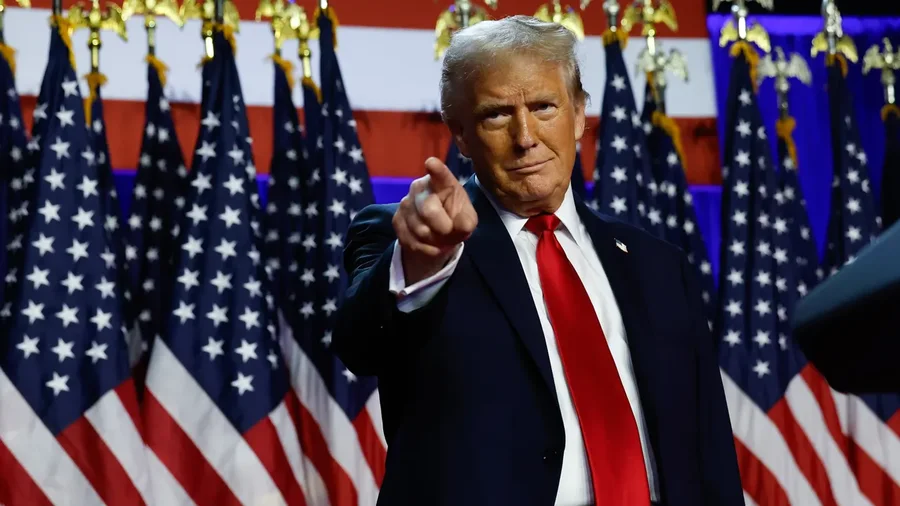
Amid ongoing discussions over Donald Trump's plans to resolve the conflicts in Ukraine and Israel, the US president has maintained steady pressure on NATO allies for months.
Donald Trump's statements about annexing territory and recognizing Russian and Israeli territorial gains may align with his geopolitical ambitions. But the disruption of old norms of already fixed borders is setting an extremely dangerous precedent.
Amid ongoing discussions over Donald Trump's plans to resolve the conflicts in Ukraine and Israel, the US president has maintained steady pressure on NATO allies for months.
After his victory in the 2024 elections, he again raised the possibility of annexing the Danish territory of Greenland, having first stated this in 2019. After being rejected at the time as strange, the new insistence on a plan against a key ally shocked all of Europe and the international community.
He also declared his intention to make Canada the 51st state of the United States. Violent conflict between the two nations continued until the mid-19th century, but the idea of annexation through war seems unthinkable today, due to the logistical challenges, deep ties, and friendly relations between the United States and Canada.
However, Trump has not backed down in the face of criticism. He has even threatened to annex the Panama Canal and Gaza, raising further concerns that the world's most powerful country is seriously considering new territorial expansion.
Trump's motivations - whether a trade tactic against Canada, securing greater military rights in Greenland or other reasons - remain unclear. But Washington's expansionist policy coincides with rapid negotiations with Russia to end the war in Ukraine, likely by giving Moscow territory.
Meanwhile, Israel is considering consolidating its borders, including possible permanent expulsions of Palestinians in Gaza, the West Bank, and East Jerusalem, and formalizing the annexation of the Golan Heights to the Syrian side.
Once dismissed as political theater, Trump's actions now appear part of broader efforts to change the discourse on borders, and risk ushering in an unpredictable era of renewed territorial conflicts.
After World War II, the international community generally resisted border changes, even in the context of decolonization. And it did so out of fear of spreading instability, secession, and occupation.
Meanwhile, the 1975 Helsinki Accords cemented the borders of postwar Europe, discouraging violent border changes and allowing only peaceful, mutually agreed-upon adjustments. Optimists hoped that this model would survive the Cold War.
Ribashkimi i Gjermanisë në vitin 1990, u pasua nga ndarja paqësore e Çekosllovakisë në vitin 1992. Ndërsa mosmarrëveshjet territoriale në Evropën Perëndimore ishin reduktuar në disa beteja ligjore, si pjesë e një qasjeje shumëpalëshe, institucionale për zgjidhjen e konflikteve, e cila pritej të përhapej në Evropën Lindore dhe më gjerë.
Megjithatë, mosmarrëveshjet territoriale shpërthyen në shtetet e reja të pavarura që dolën nga Evropa ish-komuniste, pa rrugë të qarta për zgjidhjen e tyre. Në ish-Bashkimin Sovjetik, separatistët e mbështetur nga Rusia në Moldavi dhe Gjeorgji i mbanin enkas konfliktet të pazgjidhura.
Përfshirja e SHBA-së dhe NATO-s në ish-Jugosllavi solli një paqe të paplotë. Edhe përpjekjet për pavarësi të mbështetura nga Perëndimi në Eritre (1993) dhe Sudanin e Jugut (2011) çuan në një dhunë të zgjatur, teksa lëvizjet e tjera separatiste dhe aneksuese vazhduan të testonin përkushtimin e Perëndimit për të menaxhuar integritetin territorial në nivel global.
Pavarësisht këtyre sfidave, përpjekjet e udhëhequra nga SHBA për të ruajtur status quo-në, patën kryesisht sukses deri në vitin 2022, kur Rusia nisi luftën më të madhe të zgjerimit territorial në Evropë që nga Lufta e Dytë Botërore.
Edhe pse dhanë miliarda euro ndihmë ushtarake dhe ekonomike për Ukrainën dhe e kanë penguar Rusinë të pushtojë Kievin, fuqitë perëndimore nuk ishin në gjendje të parandalonin inkursionin e Rusisë. Kufijtë e ekspozuar të mekanizmit parandalues të armëve perëndimore, e kanë lëkundur besimin tek qëndrueshmëria e kufijve të njohur tashmë.
Nëse ka mbërritur një epokë e re e ndryshimeve territoriale, Trump duket i prirur për ta normalizuar atë dhe e pozicionuar SHBA-në si përfituesin e saj kryesore. Edhe kontrolli de fakto mbi Grenlandën apo Kanalin e Panamasë pa një aneksim të plotë - ndërsa po negociohen ndryshimet e kufijve diku tjetër - nxjerr në pah dobësinë e kufijve të caktuar në mbarë botën, dhe e lejon SHBA-në të pretendojë dominimin në një rend botëror në ndryshim.
Po kjo qasje mund t’i hapë punë jo vetëm SHBA-së, por edhe fuqive të tjera të mëdha. Kina ka mosmarrëveshje të shumta territoriale që mund të përshkallëzohen. Tensionet mbi Tajvanin dhe Detin e Kinës Jugore, mund të çojnë në përplasje me SHBA-në dhe aleatët e saj.
Kina dhe India, vazhdojnë të zihen mbi kufirin midis tyre në Himalaja. Pavarësisht nga ulja e tensioneve kohët e fundit, India dhe Pakistani mbeten të bllokuar në përplasjen e tyre mbi Kashmirin, dhe rreziku mbetet i lartë për shkak të kërcënimit bërthamor. Shpërthimi i dhunës në vendet e Amerikës Qëndrore apo edhe Jugore, mund të përkeqësojë krizën e emigrantëve në kufirin jugor të SHBA-së, duke testuar nëse kufijtë amerikanë janë fleksibël dhe mjaftueshëm të fortë për të përballuar presionet e shtuara.
Despite efforts to protect border integrity, colonial-era borders, long-standing grievances, and sudden state collapses after the end of the Cold War have challenged territorial stability as the West has struggled to maintain order.
Trump's strategy suggests that managing global territory is not worth it. So his administration is focusing on strengthening borders at home while exploiting weaknesses abroad.
Changes in Ukraine and Israel may not happen overnight, but years of groundwork, coupled with ongoing discussions, could accelerate the process and include U.S. territorial expansion.
It is uncertain whether other countries or future administrations will accept these moves. However, if Washington sets a new standard, it will encourage other nations to pursue territorial changes more openly, fueling ethnic cleansing and even genocide.
Washington’s ability to control this dynamic is untested, as is its response to emerging foreign disputes and potential attempts at internal secession. While agreements with Russia and Israel over territory may give the White House political breathing space, what happens next is anyone’s guess./ Adapted from “Pamphlet” by “Eurasia Review”




Lini një Përgjigje