


 Shkruar nga Pamfleti
Sanctions and Ukrainian attacks on energy infrastructure have caused real damage, but one should not rush to conclusions...
The decline in Russian oil exports will not be offset by an increase in production in other countries. The OPEC+ cartel, which includes Russia, has decided not to increase supply until at least the second quarter of 2026.
This leaves a gap in the market, while Ukrainian attacks on Russian energy infrastructure and oil tankers are expected to keep pressure on prices.
If the US decides to tighten sanctions on Russian oil companies, or to enforce existing measures more strictly, the market could react with a significant increase in the price of Brent due to increased geopolitical risk.
However, for the entire first quarter, the market is expected to remain in surplus due to high levels of exports from non-OPEC producers as well as OPEC+ itself, the lack of growth in global demand and seasonally weak consumption. Barring a sudden and profound disruption of Russian exports, for example as a result of a much more effective attack from Ukraine, the current decline in Moscow’s exports is not expected to significantly affect market prices, which are expected to remain in the range of $55–65 per barrel for Brent crude.
Russian oil is increasingly struggling to find a market. In mid-December, about 120 million barrels of oil were still "in transit," creating a glut in global seaborne supplies. Of the roughly 100 million barrels scheduled for export between December 12 and March 31, more than half have yet to be shipped.
India, one of the largest buyers of Russian oil in recent years, has started to cut imports since US sanctions on Lukoil and Rosneft came into effect. According to data from maritime tracking, flows from Russia to India in December did not reflect the levels of previous months and very few shipments are expected for the first quarter. If this trend continues, India's imports of Russian oil could fall to 1 million barrels per day by the end of March.
In contrast, China has maintained a high level of purchases of Russian oil. More than 30 shipments are planned for the next three months. However, most of this amount is expected to be stored in strategic reserves and not processed immediately at refineries, as China continues to receive large quantities from other suppliers.
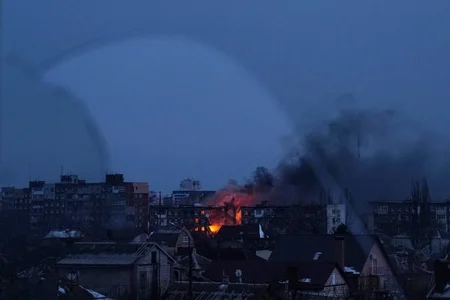
Ukraine has demonstrated the ability to attack Russian export infrastructure in the Black Sea, and to some extent in the Baltic Sea. These attacks cause temporary disruptions that can be repaired, but attacks on tankers risk diplomatic repercussions for Ukraine, especially from Turkey and other countries in the region, which do not want to see maritime trade routes damaged. However, if the attacks continue at a high rate, it is expected that by the end of the first quarter there will be a real impact on reducing tanker traffic and a prolonged disruption of operations at Russian export ports.
Russia will try to absorb the losses. At current Urals oil prices and the ruble-dollar exchange rate, a sustained decline of 500,000 barrels per day in seaborne exports would cost the Russian economy about $10 billion a year, less than 0.5% of GDP, and a 0.2% drop in budget revenues. This loss would exacerbate existing budget difficulties, but it is not in itself enough to change President Putin’s stance on the war in Ukraine. The effect could worsen if prices fall further or if Russia is forced to offer even deeper discounts to find buyers; current discounts already exceed $20 a barrel.
According to the Eurasia Group, the current sanctions and the Ukrainian strikes are not enough to change the Kremlin’s negotiating position. To keep Russian oil out of international markets, sustained pressure will be needed. Ukraine should continue to hit tankers and export terminals to keep flows limited, while the US should ensure rigorous and uninterrupted enforcement of sanctions to deter potential buyers. Weak enforcement would lead to a rebound in Russian exports, as happened with Iranian oil. If the pressure eases, Russian exports are expected to resume in the second and third quarters of 2026. / Adapted from “Pamphlet” by “ Corriere Della Sera ”






Lini një Përgjigje