


 Shkruar nga Pamfleti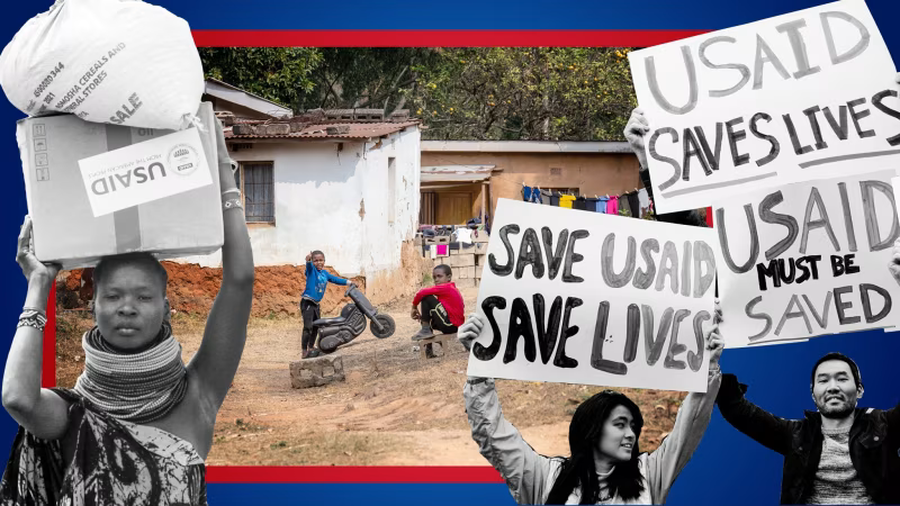
The Lancet study found that USAID spending from 2001 to 2021 had saved an estimated 92 million lives, 30 million of them children. It predicted that, if immediate funding cuts were not reversed, an estimated 14 million more people would die in the five years to 2030.
The effects of the withdrawal of American expertise — and money — are already being felt. 10,000 USAID employees have stopped working and 80 percent of its projects have been suspended, with roughly 1,000 programs remaining administered by the State Department.
Members of the US Congress are trying to save the key Pepfar scheme, which was originally slated for deep cuts. This could keep millions of people who are already taking antiretroviral drugs safe. But many of the countless services to prevent the further spread of HIV have already been eliminated, raising the possibility of a new wave of infections.
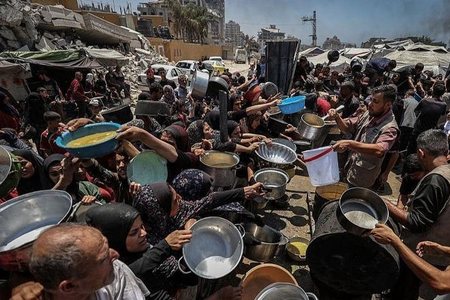
And beyond HIV, in areas from malaria, polio and childhood immunization to emergency food rations, many public health projects in Africa, Asia and Latin America have ground to a halt. Food and medicine are stuck in warehouses, the US is threatening to burn $10 million worth of unused contraceptives, and aid workers are tearfully packing their bags to return home.
Last month, The Lancet published a paper that shocked even seasoned American aid professionals, who were accustomed to defending themselves against accusations of wasting taxpayer money or being motivated by a liberal ideology that doesn’t align with that of their fellow Americans. (Musk has called USAID a “viper’s nest of radical left-wing Marxists who hate America”).
The Lancet study found that USAID spending from 2001 to 2021 had saved an estimated 92 million lives, 30 million of them children. It predicted that, if immediate funding cuts were not reversed, an estimated 14 million more people would die in the five years to 2030. That was, it said, “a staggering number of avoidable deaths.”
Of the 92 million lives saved, the Lancet study found that 25.5 million would have died from AIDS, 8 million from malaria, most of them children, and nearly 9 million from neglected tropical diseases. Millions of children under the age of five were saved from deadly diarrheal infections.
The US is not the only donor to cut aid. Others, including the UK, France and the Netherlands, have followed the Trump administration's lead in cutting their own budgets.
Last month, the UN said it was drastically reducing its humanitarian operations after what it called "the deepest funding cuts ever to hit the international humanitarian sector."
Mary Louise Eagleton, a UNICEF representative in Eswatini based in Mozambique, says the potential impact of USAID cuts was dire. "There won't be any goods on the shelves by November," she says, referring to medicines and therapeutic milk for malnourished children. "That means people will start dying."
Tiny Eswatini, Africa's only absolute monarchy, is a good place from which to examine both the potential consequences of aid cuts and accusations that foreign aid creates dependency and distortions.
A low- and middle-income country with a nominal GDP per capita of nearly $4,000, Eswatini is not very poor by African standards. And with 7 percent of GDP dedicated to health, it spends proportionally more than many others.
However, its health sector suffers from problems, including a chronic shortage of basic medicines, that make it more dependent on foreign aid than it needs to be. When the FT visited the country in July, the main hospital in the capital, Mbabane, was closed because frustrated staff had gone on strike. They said it made no sense to admit patients to a facility that had run out of basic medicines.
Even hospital supplies like catheters, intravenous tubes, bandages, and surgical screws are often unavailable, forcing patients to buy from private pharmacies that mysteriously always seem to be well-stocked.
A forensic report on the problems commissioned in 2023 revealed that the procurement procedures were riddled with corruption.
Critics of aid say that foreign aid, in effect, absolves governments from responsibility, absolving them of their fundamental duties to their citizens and breaking the social contract through which a government gains legitimacy.
Peter Piot, who led the Joint United Nations Programme on HIV/AIDS at the height of the epidemic, says the Lancet's assumptions about deaths may be too pessimistic.
Even before the US cuts, Piot had argued for what he calls “Global Health 2.0,” in which governments take more responsibility for the well-being of their people. In Africa, countries like Kenya and Senegal have introduced health insurance systems, he says, while Rwanda has implemented a patient data system that would be the envy of Europe.
A senior USAID official, who when the FT called was packing up her house to return home after 25 years in the field, dismissed the idea that aid had failed. Speaking anonymously for fear of losing her pension, she defended USAID’s reputation both for providing what she called an efficient and exceptional service and for helping countries, like Vietnam, break free from aid dependency and move forward.
Of course, that doesn't mean there weren't unintended consequences or moral hazards, she says. Some governments benefited from foreign aid while neglecting their responsibilities./Adapted from "Pamphlet" by "Financial Times"







Lini një Përgjigje