


 Shkruar nga Pamfleti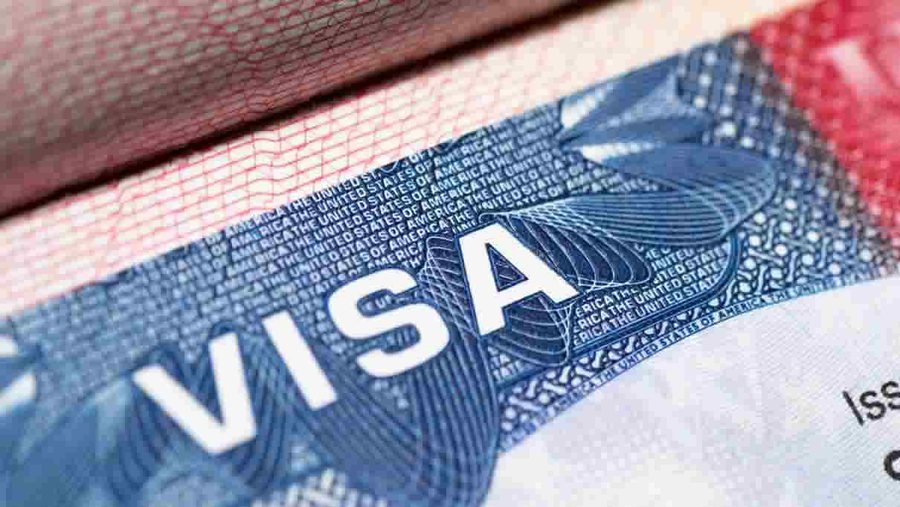
Officers are instructed to examine the social media of all students applying for visas for evidence of activities that the administration determines to be a threat to national security or terrorism.
The United States has ordered consular offices to significantly expand their screening processes for student visa applicants, including comprehensive social media investigations, to exclude people they believe support terrorism.
A State Department cable from March 25, obtained by the Guardian, outlines a new standard for visa denials based on a broad definition of what constitutes support for "terrorist activity."
The directive states that "evidence of terrorist activity, or otherwise demonstrating a degree of public approval or public advocacy for terrorist activity or a terrorist organization" may be grounds for refusing an applicant's visa.
The directive specifically targets new and renewal applications for F, M, and J student visas, providing clear guidance for consular officers to conduct mandatory social media reviews by digging into applicants' online lives.
Officers are instructed to examine the social media of all students applying for visas for evidence of activities that the administration determines to be a threat to national security or terrorism.
The directive orders fraud prevention units, which receive flagged applications, to take screenshots of “potentially derogatory” social media content, creating a permanent digital record that can be used to deny entry. These officers are instructed to retain the footage “to the extent relevant to the visa ineligibility” and upload it to the applicant’s case file — even if the posts are later edited or deleted.
"Evidence that an applicant advocates for terrorist activities or otherwise demonstrates a degree of public approval or public advocacy for terrorist activity or a terrorist organization may be indicative of ineligibility," the memorandum, sent by Secretary of State Marco Rubio, said.
"This may be evident in behavior that maintains a hostile attitude toward American citizens or American culture, including government institutions or founding principles."
The memo says the vetting process should be extended to students in the US as of October 7, 2023, whose visas are available for renewal, noting the day Hamas led an attack on Israel, triggering the subsequent barrage of Israeli airstrikes and ground invasions that have resulted in more than 50,000 reported people killed.
In recent weeks, the government has revoked visas for a number of students it claims have expressed support for Hamas. The new procedures are sure to fuel concerns that social media posts in support of the Palestinians, containing critical comments about U.S. foreign policy, or showing participation in a campus protest could trigger a sweeping visa review.
The cable does not require visa denials to be based on explicit support for any specific group and goes beyond traditional security screening, allowing officers to investigate an applicant's relationships with organizations, including current membership, financial contributions or other forms of support.
The State Department did not immediately respond to a request for comment.
Rubio on Thursday said he had revoked more than 300 visas, targeting those he calls “crazy” linked to campus protests. The latest example is the capture of Rumeysa Ozturk, a Turkish Fulbright scholar at Tufts University, who was arrested by plainclothes and masked agents in broad daylight.
The updated review process references two of Trump's early executive orders, focused on foreign terrorists and combating anti-Semitism.
"Every visa decision is a national security decision," the memorandum states. / Adapted from The Guardian Pamphlet /


Lini një Përgjigje