


 Shkruar nga Daniel Block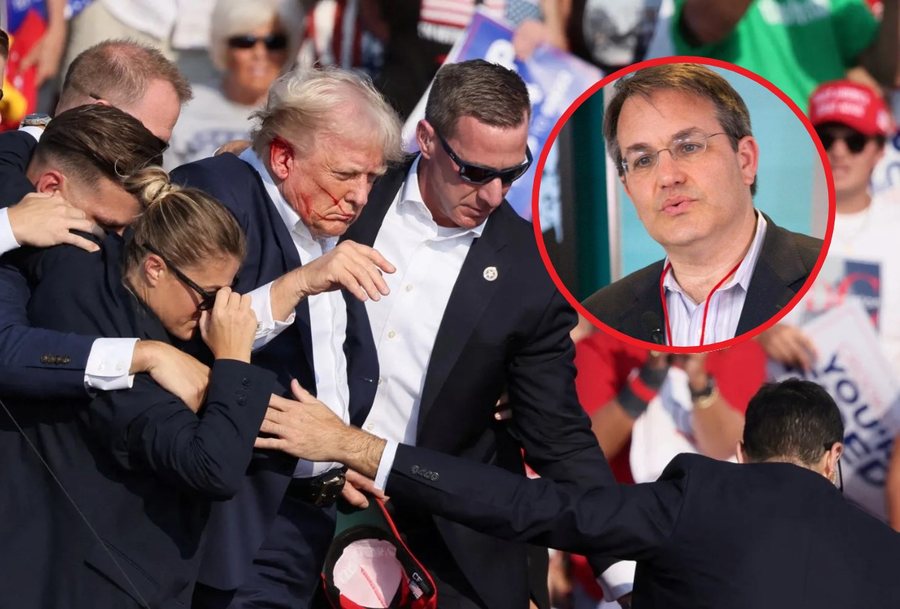
We know there are Trump supporters who are armed and who enjoy the militaristic style of politics. So if Trump and his people start talking about this event in an inflammatory way, we may see not just sporadic attacks - as the July 13th attack seems to have been - but more collective and organized forms of violence.
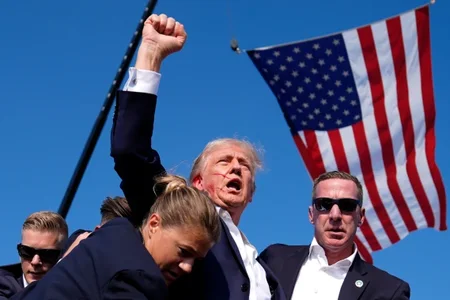
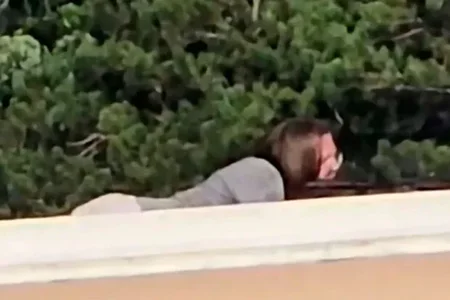
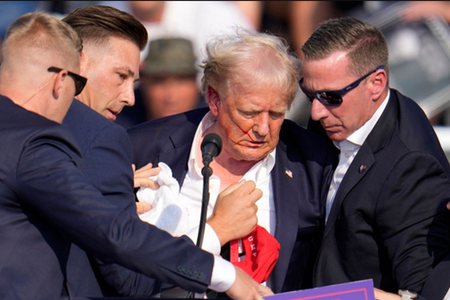
The July 13 assassination of former US President Donald Trump marked the first time in more than 40 years that someone has shot a sitting or former president. It is not clear what motivated the author, but it is a fact that the attack happened at a time of high political tensions throughout the USA.
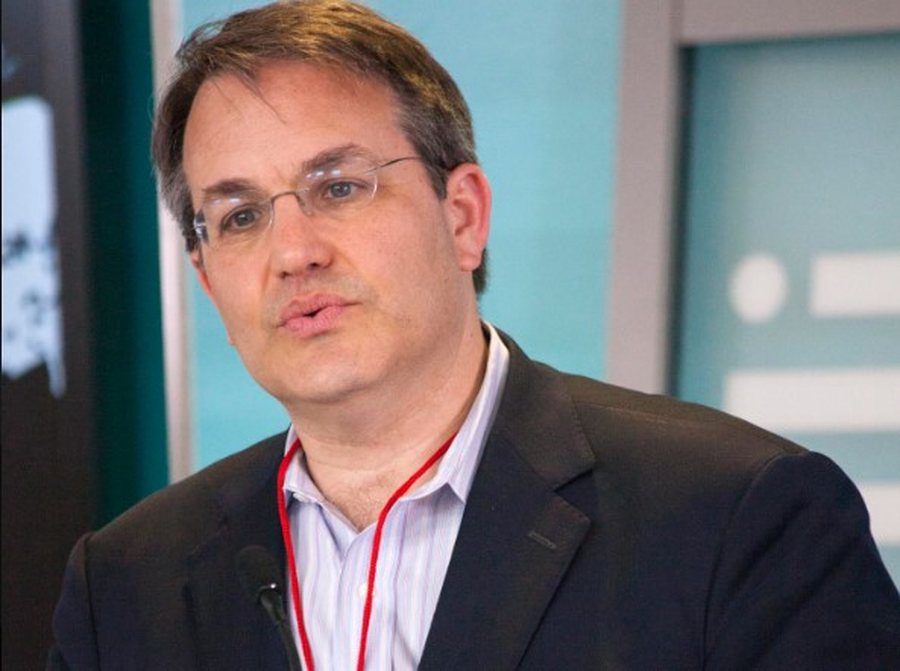
To understand what this event means for both the presidential campaign and the future of the United States, we spoke with Robert Lieberman, professor of political science at Johns Hopkins University. "History shows us that American democracy has always been vulnerable," Lieberman wrote in a 2020 article in this magazine.
Shocked by Trump's divisive presidency, the Covid-19 pandemic and the riots caused by the killing of African-American George Floyd by a police officer, Lieberman emphasized that "the country has never faced such a severe trial". But now he faces another, much more difficult ordeal.
-During these hours, did you think of any special similar period or episode in the history of the USA?
I have thought a lot about 1968, which was a year of political assassinations. First of Martin Luther King, Jr. and then Robert F. Kennedy, in the midst of a very turbulent presidential campaign in which incumbent President Lyndon B. Johnson was in trouble. Today we have another turbulent campaign, under the threat of political violence.
-What are some of the main lessons we should learn from 1968 as we think about what happens next?
In 1968, things did not go well for the Democratic Party. Vice President Hubert Humphrey was named Johnson's successor, and he lost the election. The winner, Republican Richard Nixon, was not the calming and unifying figure the country needed at that moment. And neither will Trump be such a figure if he wins in November.
-Are there any key differences between the 2 periods?
Në vitin 1968, vendi ishte dukshëm më pak i polarizuar nga sa është sot. Sulmi ndaj Trump ndodhi në një moment kur polarizimi është aq i madh, sa është bërë tejet shqetësues. Sepse kur polarizimi bëhet shumë ekstrem, mes kundërshtarëve nuk ka më një garë demokratike. Përkundrazi, gara shndërrohet në një lloj beteje vdekjeprurëse, ku njerëzit besojnë se nëse fiton pala tjetër, atëherë ky është një kërcënim vdekjeprurës për vlerat e tyre dhe për vetë ekzistencën e vendit siç e kuptojnë ata. Dhe nuk e largët distanca mes politikës shumtë të polarizuar dhe dhunës serioze.
-Ndërkohë, ka pasur edhe momente të tjera kur Shtetet e Bashkuara janë përballur me kriza demokratike, përfshirë fushatën presidenciale të vitit 1798, Luftën Civile dhe skandalin Watergate. Cilët faktorë i nxitën këto incidente, dhe sa prej tre janë sot të pranishëm?
Katër faktorë ndihmojnë në shkaktimin e krizave demokratike. I pari është polarizimi politik, i dyti është konflikti se kush i përket komunitetit politik, i treti është pabarazia ekonomike e lartë dhe në rritje të vazhdueshme, dhe i katërti është pushteti ekzekutiv me përmasa të zgjeruara.
Të paktën një nga këto forca, ka qenë e pranishme në çdo moment të trazirave demokratike në historinë e SHBA-së. Ajo që e dallon periudhën e 4 viteve të fundit, është se janë të pranishëm të kartërt faktorët. Ato ndihmuan në zgjedhjet president të Donald Trump, dhe ishin pjesë e arsyes pse vendi ishte i prekshëm ndaj një incidenti si sulmi në Capitol Hill më 6 janar 2021. Mjerisht, çdo lloj ngjarje e tillë vetëm sa e dobëson më tej demokracinë e vendit. Kjo e bën atentatin ndaj Trump edhe më të rrezikshëm dhe më provokues, se sa do të ishte në rrethana të tjera.
-Deri në çfarë mase mund të dalë jashtë kontrollit situata aktuale?
Është e vështirë të spekulosh. Nuk mendoj se shumë njerëz janë dakord me ngjarjet e 6 janarit, edhe duke marrë parasysh retorikën nxitëse të presidentit të atëhershëm për vjedhjen e zgjedhjeve. Por nga ana tjetër e dimë se ka mbështetës të Trump, të cilat janë të armatosur dhe që i gëzohen stilit militarist të politikës.
Ndaj nëse Trump dhe njerëzit e tij nisin të flasin për këtë ngjarje në një mënyrë nxitëse, mund të shohim jo vetëm sulme sporadike - siç duket të ketë qenë edhe sulmi i 13 korrikut - por forma më kolektive dhe më të organizuara të dhunës.
-Si mendoni që kjo ngjarje do të ndikojnë mbi pjesën e mbetur të kësaj fushate presidenciale? Si mund të reagojë Trump?
Trump nuk i është shmangur kurrë përqafimit apo lavdërimit të akteve të dhunës. Kujtoni pak komentet e tij mbi masakrën e Charlottesville. Apo gjithë retorikën rreth ngjarjeve të 6 janarit 2021, para, gjatë dhe pas tyre. Ai përdor një gjuhë çnjerëzore ndaj kundërshtarëve të tij politikë.
Ndaj kam vërtet frikë se Trump do ta shfrytëzojë këtë incident për të nxitur më tej dhunën midis ndjekësve të tij. Ne kemi parë tashmë disa përfaqësues të Trump të promovojnë idenë, se ishte retorika politike e presidentit Joe Biden, ajo që e provokoi sulmin me armë.
They emphasize that Biden has spread the idea that Trump is dangerous, that his victory would be a blow to American democracy. I am concerned that Trump and his team will continue to promote this message. And the further it spreads among an already angry and armed population, the greater the risk of attacks.
-How do you think the Biden administration should react to this event?
President Biden has done the right thing so far, which is to denounce the act. He offered his condolences to those who were harmed, including Donald Trump, who we know has no sympathy. He is trying to call for some unity. But it has little impact, because the assassination serves as an invitation to violence for Trump and his supporters.
-Is there an optimistic precedent on how the country can get out of this crisis? What must happen for American democracy to survive?
The most optimistic scenario is that this political violence leads to more unity. In the weeks since President Ronald Reagan was wounded in an assassination attempt in 1981, his assessment
in the polls he climbed to the highest point of his entire presidency. And when he returned to the White House from the hospital, the news was greeted with enthusiasm even by his political opponents. But for the country to stand up against political violence today, there must be self-restraint from both sides. And I'm not sure that will happen.
- The assassination happened not long after a Supreme Court ruling granted presidents broad immunity from actions they take while in office. If Trump wins, could he expand his plans or change the way he governs?
The decision of the Supreme Court was another step towards the gradual increase and consolidation of presidential power, concentrating the authority in one person, instead of spreading it among many people. It is one of those four factors that drive democratic crises. The best example is Watergate, when Nixon used tools that had accumulated in the presidency over several decades to subvert the democratic process.
Even before this assassination, we had the feeling that a second term for Trump would mean that the executive branch could become an instrument of his ambitions, obsessions or vendettas. And this incident will only push him in that direction. This event will encourage Trump and his inner circle to abuse the Department of Justice against anyone who will be in opposition. /Adapted "Pamphlet" from "Foreign Affairs"


Lini një Përgjigje