


 Shkruar nga Pamfleti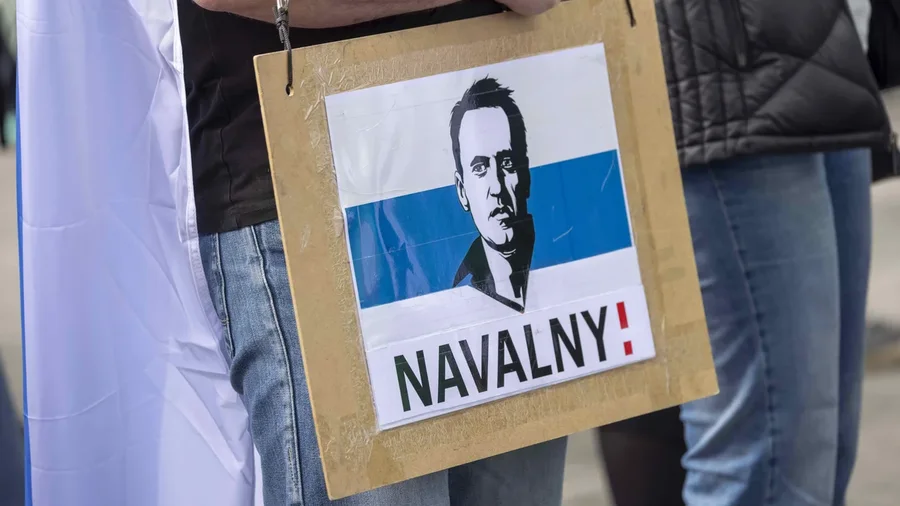
After the death of Alexei Navalny, the Russian opposition is in a serious crisis and must look at the fundamental mistakes it has made in the last two years, including calls for the destruction of the nation and the desecration of the flag.
The Russian opposition is in a serious crisis - organizational and semantic, an identity crisis and a crisis of human resources. I would show statistics that prove this, but there are none. I have only personal impressions and oral testimony from hundreds of pro-democracy and anti-war activists and ordinary Russians with whom I have interacted and observed on a daily basis over the past two years since the invasion of Ukraine.
These opposition supporters are frustrated with weak political and moral leadership; the lack of means for participation and influence, and consequently the feeling of alienation, unheard and unrepresented; infuriated by the endless accusations, being thrown and looked down upon by those who present themselves as leaders and spokesmen of the opposition.
There is a growing gap between the opposition and society; and this is compounded by the fatigue from the lack of honest and meaningful discussions about the mistakes made in the past. Of course, nothing has done more damage to the Russian opposition than the actions of Vladimir Putin and his regime.
However, we ourselves have made many mistakes. Even with limited opportunities and under extreme pressure, we must not avoid responsibility for our actions and decisions. We must also recognize that the world is rarely black and white.
Having agreed that there is nothing worse than war. As a result, happy statements were issued about the terrorist attacks in Russia.
Plus, there is endless talk of collective guilt, which reaches the point of absurdity, as well as demonstrative "lack of sympathy" towards Russian recruits and total misunderstanding and sometimes even ignoring the problems of compatriots who cannot leave the country.
There are many reasons for this, but first we must point out the lack of will to cultivate a basic sense of humanity and empathy, to understand others with their weaknesses and shortcomings, to understand the complex social context and to start listening and helping instead of the instinct to always judge and teach others a lesson.
Two years of war have led to general bitterness, a simplification of the worldview and a rejection of principles in favor of the idea that "the end justifies the means". But this is only the way to greater discord and a chasm between people.
Deep-rooted contempt
We are a deeply divided society. We are good at feeling social and political contempt, being arrogant, judgmental and hateful. Those who consider themselves an alternative to the regime often do. We refuse to see people and fellow citizens in those who support Putin, in those who go to the front - often, by the way, not of their own free will, but under compulsion.
Some of these people are indeed criminals, but not all. Many of them can be spoken to, many of them can at least be understood - which does not necessarily mean justified. All these years, the regime has taught us to see enemies around us, because atomization, broken ties and total dehumanization are useful to it. It's easier to control people this way. And we have to admit, it's easier for us too.
It is difficult to put yourself in someone else's shoes, to engage in dialogue, to show compassion, to remember human rights. It takes courage and great self-control. But if we want a better future for Russia and for ourselves, we must learn to be patient and compassionate, let go of contempt, judgment and pride. This, it seems to me, is the surest way to gain the support of the wider community.
This doesn't mean we have to love everyone, judge no one, or always agree on everything. But it is worth remembering that we are all human beings and citizens of a country.
Bleak future
The Russian opposition seems to have adopted these models in order not to withdraw from the Putin regime. But this is a dysfunctional attitude: admitting mistakes is not weakness. There is no need to be afraid of this - in fact, it is easier and more pleasant than completely embarrassing yourself to the end. In this way, many conflicts could be avoided, which only lead to polarization and frustration.
Since the beginning of the war, the Russian opposition, willingly or unwillingly, has taken the path of distancing itself from Russia. Take for example the rejection of the national flag and its replacement with a blue-white substitute. Obviously the purpose of this is to demonstrate their position, but it could be done in a million different ways, including using the real flag, under which, let me remind you, stood Boris Nemtsov and Alexei Navalny - and what they did is a common symbol of opposition. They realized that Russia is not Putin, and the flag of Russia is not the flag of Putin.
The rejection of the flag has united the opposition, but it has separated it from the wider society. And the flag isn't the only problem. Many, under the pressure of guilt (or fear of international condemnation) have repeatedly tried to adopt the political discourse of the Ukrainian political leadership, calling for Russia to return to the Stone Age and strike its territory.
Nëse qëllimi i opozitës është të fitojë mendjet dhe zemrat e njerëzve dhe ta drejtojë atë energji në luftën kundër diktaturës, atëherë nuk duhet të flasim për shkatërrimin e vendit tonë. Unë do të formuloja një narrativë më të mirë si kjo: tërheqja e trupave dhe shpëtimi i jetëve si një fitore për Rusinë; Heqja e sanksioneve dhe riintegrimi në botë për të zënë një vend të denjë në të: Liria, demokracia dhe fokusi në mirëqenien e qytetarëve si garanci e një të ardhmeje të qëndrueshme dhe të begatë.
Katz dhe Khodorkovsky
Të njëjtat synime duhet të deklarohen në politikën ndërkombëtare. Le të pranojmë se fitorja e Ukrainës nuk do të çojë automatikisht drejt demokracisë në Rusi. Kjo kërkon shumë më tepër, duke përfshirë shumë më tepër përpjekje nga komuniteti ndërkombëtar për të mbështetur luftën për këtë demokraci. Mbroni interesat e bashkatdhetarëve tuaj, luftoni para së gjithash për lirinë e Rusisë – dhe u bëni thirrje politikanëve evropianë dhe amerikanë të bëjnë të njëjtën gjë. Askush nuk do të na ndihmojë përveç nesh.
Sot, një pjesë e konsiderueshme e opozitës përfaqësohet ose nga folës individualë pa asnjë strukturë organizative pas tyre (Maxim Katz, Mikhail Khodorkovsky), ose nga organizata të mbyllura që nuk ofrojnë mundësi as për hyrje dhe as për ndikim (Ekipi i Navalny).
Tani, jo vetëm politikanë dhe organizata të opozitës janë dëbuar me forcë nga vendi, por edhe mijëra, nëse jo dhjetëra mijëra qytetarë që mbrojnë demokracinë. Rreziqet e aktiviteteve të tilla jashtë vendit janë pakrahasueshëm më të ulëta (por ato ende ekzistojnë. Për shembull, aleati i Navalny-t Leonid Volkov u sulmua në Vilnius këtë vit. Mundësitë për ndikim janë edhe më të mëdha: dyert evropiane dhe Autoritetet amerikane, megjithëse me një kërcitje, po hapen, duke përfshirë edhe për aktivistët bazë.
Një shembull është Platforma për Iniciativë Kundër Luftës, e cila ndihmon projekte të vogla. Falë punës së saj, për shembull, u shfaq një apel për shtetet anëtare të BE-së duke kërkuar mbrojtje për qytetarët rusë që refuzojnë të marrin pjesë në luftën e Putinit kundër Ukrainës.
Natyrisht, ne mund të kemi pafund frikë nga hija e shërbimeve speciale të Kremlinit, por ka sisteme për verifikimin dhe shqyrtimin e anëtarëve të mundshëm. Ka edhe shembuj të suksesshëm të kësaj - lëvizja Vesna dhe Rezistenca Feministe Kundër Luftës punojnë në këtë mënyrë.
Më duket se e vetmja gjë që e ndal opozitën nga demokratizimi i vërtetë është frika. Është gjithashtu shumë i përshtatshëm: i lejon të mos ndryshojë asgjë (dhe askush). Por kjo çon në stagnim të personelit dhe sterilitet politik, ndalon procesin e qarkullimit të mendimeve, ideve dhe metodave të qeverisjes.
Elita kundër njerëzve të zakonshëm
Kjo është arsyeja pse demokracia organizative nuk është një kërcënim, por një burim force. Politikanët duhet të ndryshojnë, liderët e rinj duhet të dalin, idetë duhet të diskutohen dhe njerëzit duhet të përfaqësohen vërtet përmes një mandati.
I am convinced that the open doors and the democratization of the internal structure of the opposition can overcome the political gap between the perceived elite and "ordinary people".
It is time to end the era of top-down politics, when "wise men" on screens and panels tell us what to think, how to act and what to fight for.
All this is, of course, only a small part of what we can and should do. We should have done it a long time ago, but we have to start somewhere. /Adapted "Pamphlet" from "WorldCrunch"



Lini një Përgjigje