


 Shkruar nga Pamfleti
The post-conflict global energy crisis highlights structural weaknesses and strategic dilemmas of states
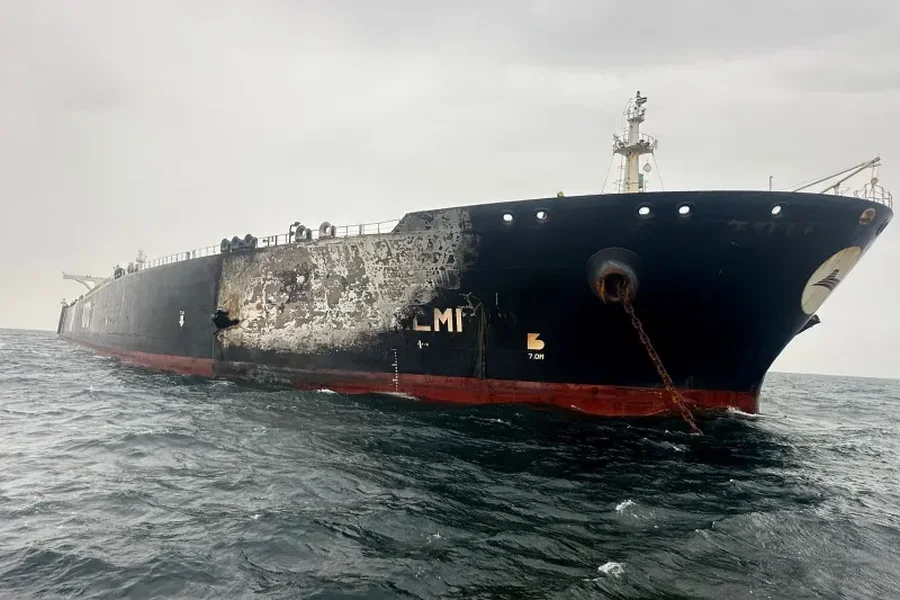
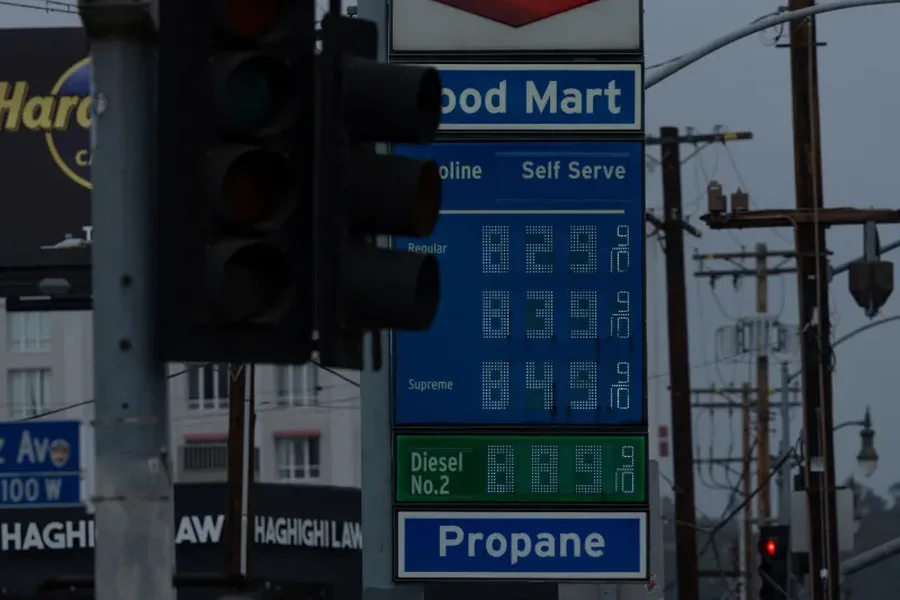
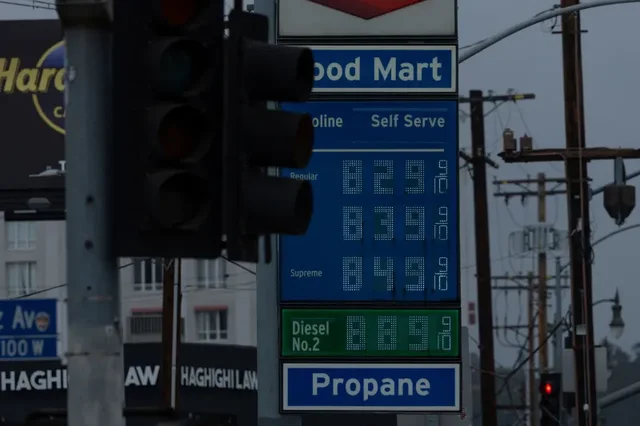
Within days of the initial attack by the United States and Israel on Iran on February 28, 2026, the world was engulfed in an energy crisis. Tehran’s near-total blockade of the Strait of Hormuz, through which about 20 percent of the world’s oil and liquefied natural gas passes each day, constituted the largest disruption to global energy flows in history, according to the International Energy Agency. Within the first three weeks of the conflict, oil prices rose by 55 percent. Gasoline became more expensive by about a dollar a gallon, while heating oil and jet fuel rose even more. Many countries began rationing fuel, shortening the workweek, and closing factories. It quickly became clear that until the strait was reopened, prices would continue to rise, fueling inflation and stifling economic growth.
This crisis may seem unprecedented, but its features are familiar. In 1973, the OPEC Arab countries imposed an embargo on oil exports to countries that supported Israel, causing a sharp increase in prices that shocked consumers and contributed to high inflation and slow economic growth. In the wake of that crisis, governments took steps to reduce dependence on imports, build strategic reserves, and strengthen international cooperation. Over time, policymakers became more willing to trust global markets for energy security.
Yet the reality of energy geopolitics never went away. Analysts had long warned that the Strait of Hormuz was vulnerable. Although Iran was militarily weaker than the US and Israel, it managed to significantly influence maritime traffic at this key point. This was enough to cause economic turmoil, exacerbated by attacks on energy infrastructure in the region.
In the wake of this crisis, many governments are reconsidering their exposure to global markets. Unlike the 1970s, when cooperation was seen as the solution, today, in a more fragmented and conflict-ridden world, some countries may come to the opposite conclusion. Recent events, such as the disruption of Russian gas supplies to Europe, China's restrictions on rare earths, and US sanctions on various countries, have increased skepticism about dependence on international markets.
As a result, many countries are seeking to gain more control over their energy systems and reduce foreign dependence. But there is no easy or cheap path to energy self-sufficiency, and efforts at autarky carry significant risks.
Favorable times and new illusions
After the crises of the 1970s, many countries attempted to reduce their dependence on oil by developing alternative sources and improving market management. This brought about a period of relative stability. In recent decades, developed countries have come to take energy security for granted, as the shale oil revolution in the US has increased production and reduced dependence on imports.
The US, which once imported about 60 percent of its oil, became the world's largest producer. This created a perception that geopolitical risks had been significantly reduced. At the same time, the Paris climate agreement in 2015 reinforced the belief that a shift to clean energy would reduce dependence on foreign sources.
The new reality
However, these expectations were not fully realized. Today, over 80 percent of global energy still comes from fossil fuels. Although markets are more integrated, shocks continue to occur and affect global prices, regardless of whether a country is an importer or an exporter.
The recent crisis showed that even an “energy superpower” like the US is not immune to global shocks. Meanwhile, energy is increasingly a tool of political pressure. Sanctions, export controls, and interference in supply chains have become common tools in international rivalry.
Even clean energy is not without risks. China dominates the processing of critical minerals and the production of green technologies. Its restrictions on exports of these materials by 2025 have caused industry disruptions and price increases in Europe and the United States.
Autarky as a solution?
Faced with these challenges, many governments are considering energy autarky. This means increasing domestic production, greater control over supply chains, and investing in electricity from domestic sources.
China has made strides in this direction through electrification and expanding domestic production, while Europe faces dilemmas, as reducing dependence on Russia could increase dependence on China for green technologies.
In the US, the crisis has increased pressure to limit exports and favor domestic supply. But the analysis highlights that such isolation would be counterproductive, as it would reduce investment and production, worsening the situation in the long run.
An alternative approach
According to analysis in ForeignAffairs, the solution is not isolation, but managing interdependence. Diversifying supplies, creating strategic reserves, and investing in more sustainable infrastructure can increase resilience to crises.
Ultimately, the crisis caused by the conflict with Iran shows that energy security remains closely linked to geopolitical developments. The goal should not be absolute self-sufficiency, but building systems that can withstand shocks without collapsing. /Adapted from Pamphlet /





Anund te hetohete kriza cmime tariff ushqime taksa