


 Shkruar nga Pamfleti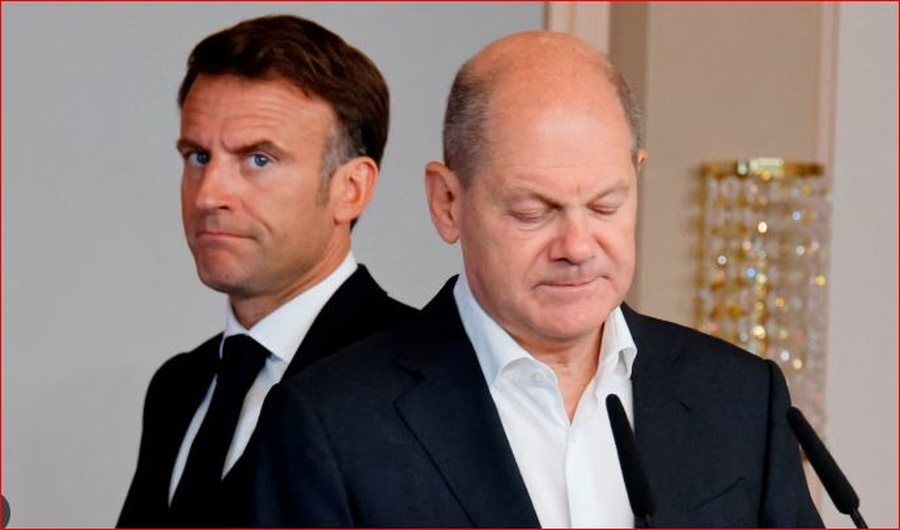
Sunday's regional elections in the eastern states of Germany brought the result that the polls had predicted.
The far-right party Alternative for Germany (AfD) came first in Thuringia and second in Saxony, marking further progress. This result further destabilizes the already fragile federal governing coalition led by Olaf Scholz, and this comes just a year before new parliamentary elections.
What is happening in France?
The French president, Emmanuel Macron, hosted at the weekend at the Elysee in a meeting the socialist Bernard Cazeneuve and the conservative Xavier Bertrand, in an attempt to find a new prime minister, and with it a way out of the political and institutional crisis in
which the country introduced by rejecting the first proposal. When 2 months have passed since the early parliamentary elections, the "holy spirit" of the culture of coalitions has not yet descended on the leaders of the political parties in the country.
What is happening in the European Union?
At a time when the European Union is preparing to launch a new legislature and face
with major challenges such as the war in Ukraine, on the eve of the change of administration in the United States and the significant political-economic aggressiveness that China is showing, the so-called Franco-German engine has been blocked. In these conditions, who will move the EU forward?
Two crises of regimes
What is taking place in Germany and France can well be described as two crises of the regime. The foundations on which both countries have been supported for 70 years in a row have been damaged so much by political dynamics that today they look outdated, making both the main countries of the European Union ungovernable.
German elections
German voters last weekend broke the far-right taboo that their political establishment has managed to maintain since the post-war period until today. In a federal and consensual system, as written in the German Constitution, the combination of political fragmentation with populism is leading the institutional regime to disintegration.
What will happen now in Germany?
Two-party coalitions are no longer enough to govern in Berlin. After a year, even if it wins the elections with 30 percent of the votes as the polls are predicting, the CDU, today's largest opposition party, will not be able to create a new Grand Coalition with the Social Democrats of the SPD.
Ndaj konservatorët do të kenë nevojë për një partner të tretë, duke rrezikuar që të rikthehen tek telashet që po përjeton aktualisht koalicioni qeveritar i Olaf Scholz. Një proces zgjedhor në një vend ndikon tek politika kombëtare. Në Turingi dhe Saksoni, e majta ekstreme e kushtëzon hyrjen e saj në një koalicion me CDU-në me ndryshimin e qasjes së konservatorëve në lidhje me mbështetjen për Ukrainën.
Ku po e çon Francën kriza politike
Në Francë, kriza e shkaktuar nga Emmanuel Macron me shpërndarjen e Asamblesë Kombëtare, shënon fundin e regjimit të Republikës së Pestë. Sistemi i tij institucional i centralizuar, i cili e bën presidentin një monark pothuajse absolut, nuk funksionon më.
Korrigjimi i “bashkëjetesës” midis një presidenti të një partie politike dhe një qeverie të një partie tjetër, nuk është më i rëndësishëm, kjo për shkak të copëzimit të madh midis tre-katër blloqeve të papajtueshme midis tyre. Për shkak të sistemit zgjedhor mazhoritar, mungon kultura e kompromisit dhe e koalicionit.
Skenarët që pritet të ndodhin në Francë
Rezultati do të shihet nga të gjithë. Nëse Franca do të ketë më në fund një qeveri të re, ajo do të jetë me siguri më e dobët se e fundit dhe ndoshta teknokratike. Jetëgjatësia e saj do jetë e pasigurt, e lidhur me 12 muajt që duhet të kalojnë përpara se të mund të shpallen zgjedhje të reja parlamentare.
Në çdo rast, e djathta ekstreme e Tubimit Kombëtar National mund të shpresojë të përfitojë jo pak në zgjedhjet presidenciale të vitit 2027. Nëse Marine Le Pen hyn në Elysee, me institucionet ekzistuese të Republikës së Pestë, ajo nuk do të ketë asnjë kundër-fuqi të aftë për të balancuar sjelljet e saj të tepruara.
Heshtja e dyshimtë e Von Der Leyen
Ursula von der Leyen refuzoi të dielën të komentonte rezultatet e zgjedhjeve në 2 landet e Gjermanisë Lindore. Nga ana tjetër, ajo ka refuzuar të komentojë edhe mbi ssituatën e nderë politike në Francë. Megjithatë, ajo që ndodh në Berlin dhe Paris, do të ketë një ndikim shumë të rëndësishëm në Bashkimin Evropian.
Andrallat e Scholz
Duke qenë në pozita delikate brenda vendit, Scholz do të jetë edhe më i kujdesshëm në lidhje me vendimet që do të duhet të marrë BE-ja përpara zgjedhjeve parlamentare të shtatorit 2025 në Gjermani. Për shkak të mosmarrëveshjeve të brendshme brenda koalicionit midis socialdemokratëve, të gjelbërve dhe liberalëve, Gjermania ka disa muaj që e ka të vështirë të paraqesë qëndrime të qarta dhe koherente në Bruksel. Ndërkohë sa i përket Macron, për 2 muaj BE-ja huajse është zhdukur nga fusha e tij e veprimit dhe e fjalimeve. Nëse nuk do që t’ia lërë hapur fushën Le Pen në vitin 2027, në 2 vjet e gjysmë ai të duhet të fokusohet më shumë tek Franca si dhe tek idetë mbi të ardhmen e BE-së, të shpalosura fillimisht në fjalimet e Sorbonës.
Skenarët për BE-në
Less Franco-German influence in the EU is not necessarily a bad thing. In July, European Commissioner Paolo Gentiloni noted that "the famous Franco-German engine has never been so weak". "Therefore, I say that supporting Brussels is the most reasonable thing," he emphasized.
The EU can provide more inclusive leadership. What have been considered the main successes of Mrs Von der Leyen's first term at the helm of the European Commission - the joint purchases of Covid-19 vaccines and the post-pandemic economic recovery plan - were the fruit of a Franco-German impulse. Even the Green Agreement was also the result of an alignment of interests and priorities between Paris and Berlin. / Taken from "Start Magazine" , adapted from "Pamphlet"


Lini një Përgjigje