


 Shkruar nga Pamfleti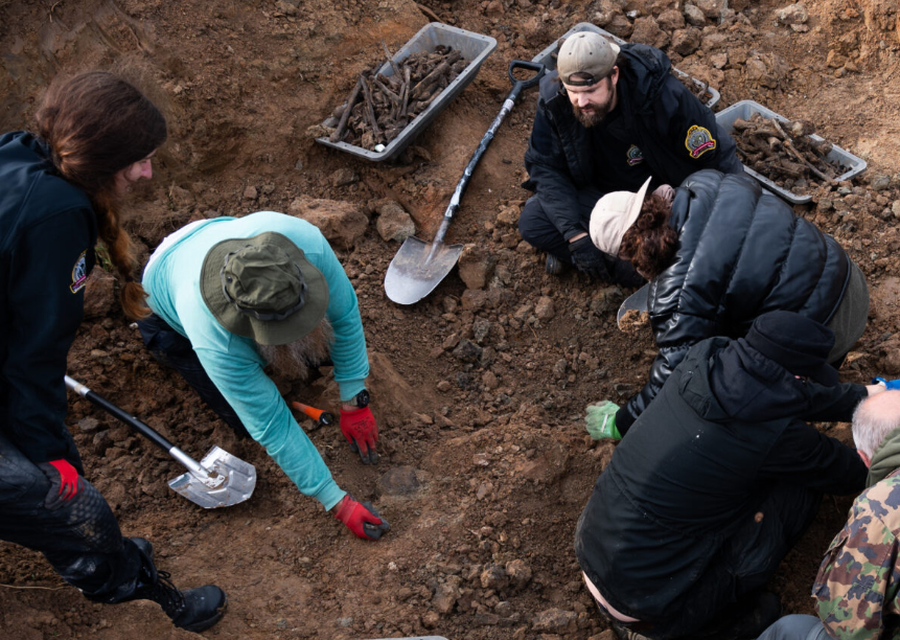
The fallen in World War II, Moscow will not take this issue on its own and Latvia cannot rest...
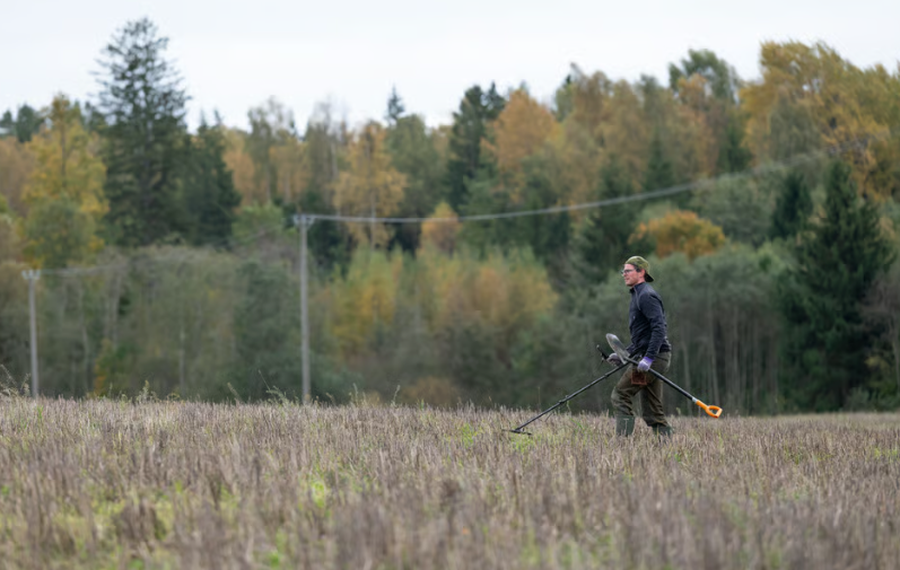
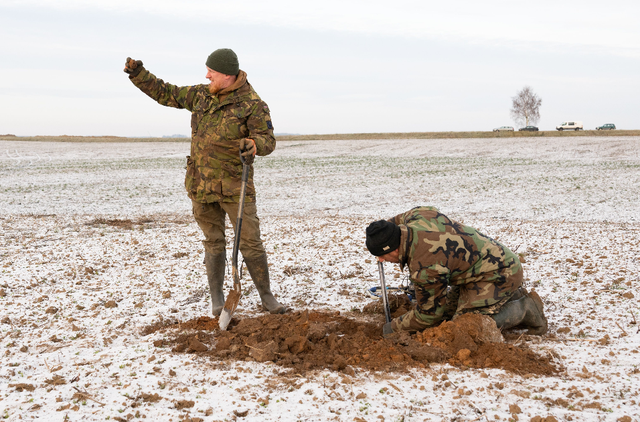
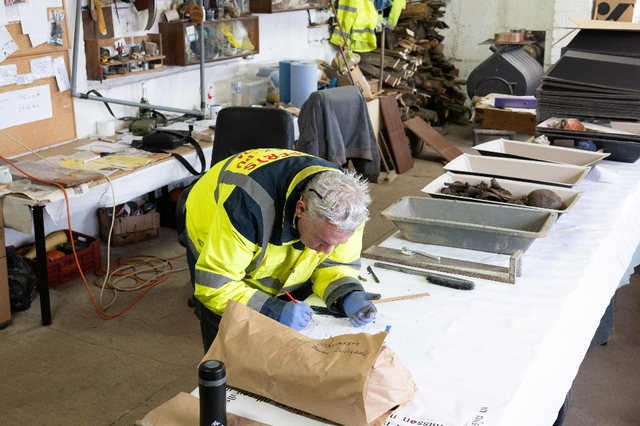
Only the dead, it is often said, have seen the end of war. In Latvia, thousands of Soviet soldiers killed in World War II still await that certainty. In a field outside Priekule, in the country’s rural Courland region, volunteers from the Military Archaeology Legenda scour the land in search of the missing. The group, an international network of enthusiasts and supporters, has spent years recovering the remains of World War II dead and providing them with a proper burial.
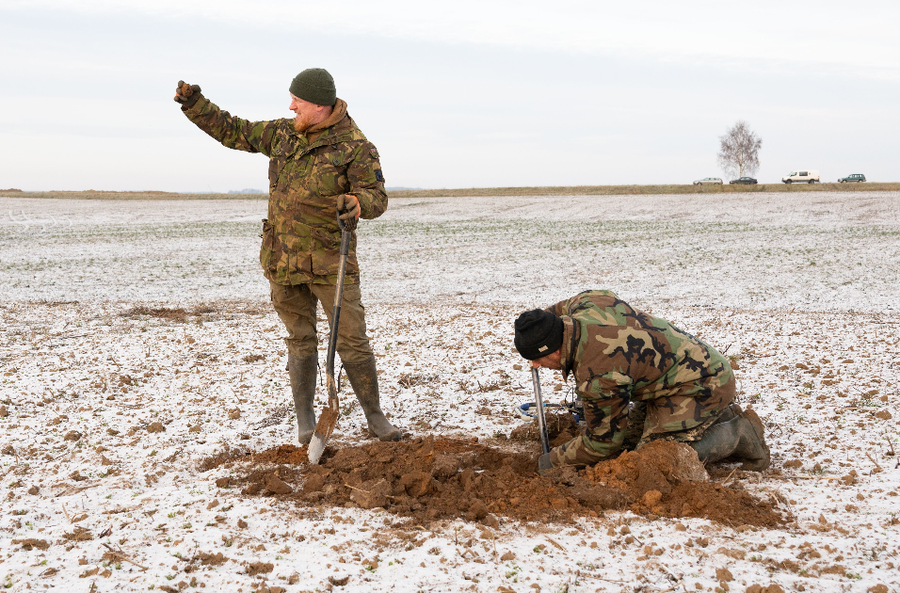
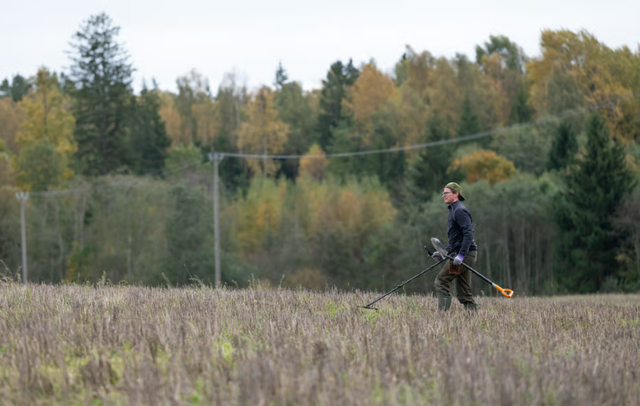
On a cold morning, volunteers scour the land with metal detectors, acting on a tip from a landowner. The equipment hums incessantly: deflated bullets, twisted shrapnel, ammunition fragments. Then a scream rings out across the field.
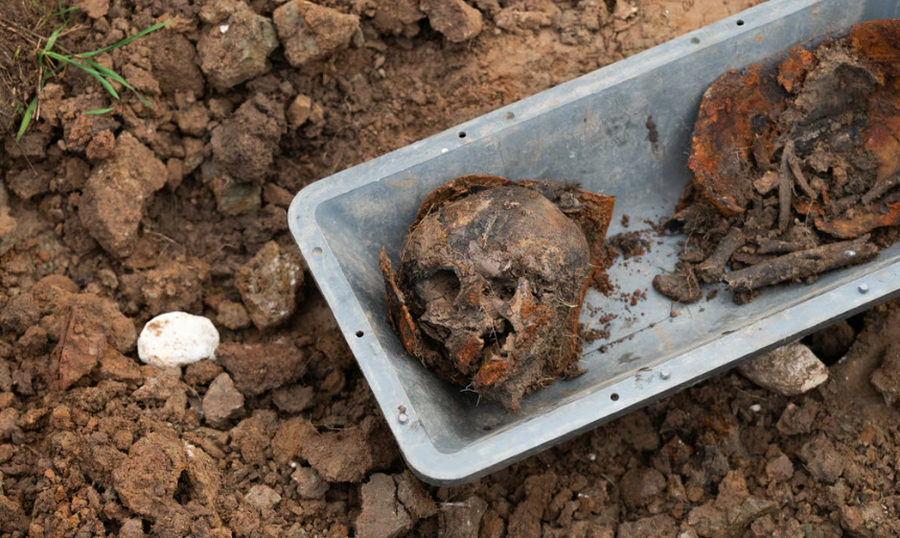
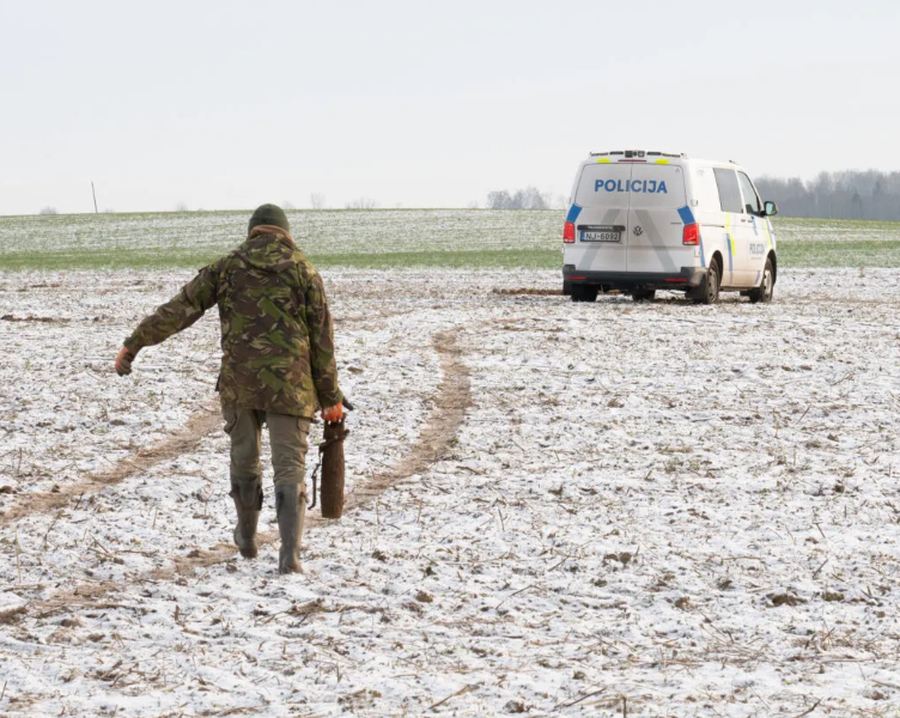
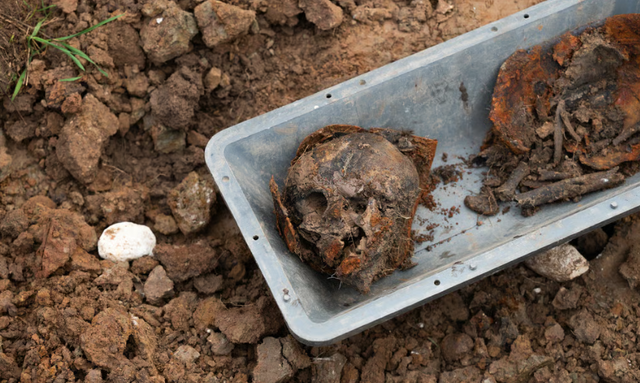
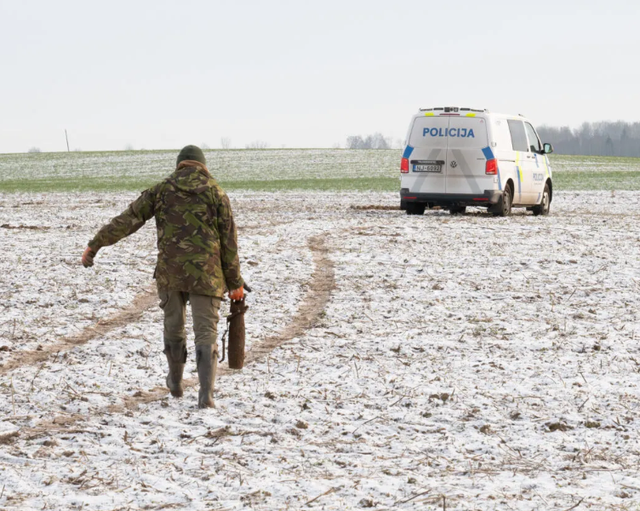
A rusty Soviet helmet has appeared in the disturbed earth. Diggers kneel and clear the dirt until a jawbone emerges, followed by the complete skeleton of a soldier who died here more than 80 years ago.
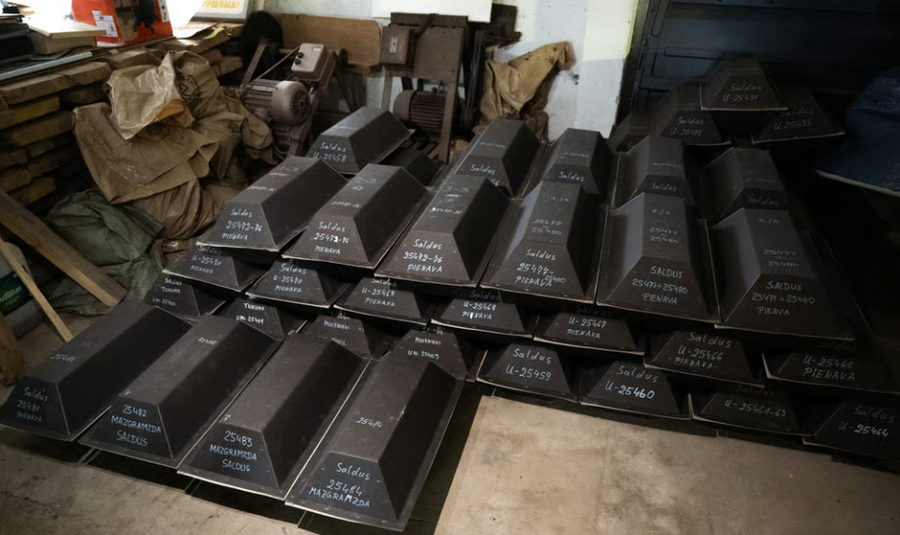
Until recently, this discovery would have set in motion a familiar bureaucratic chain, ending with the remains repatriated to Russia or buried in a Soviet military cemetery in Latvia. But now the diggers stop with a different meaning. This soldier is not going anywhere. The war that killed him ended generations ago; the war that prevents him from resting in peace began on February 24, 2022.
Russia's full-scale invasion of Ukraine has frozen the system for transferring Soviet war dead to the Russian Federation, the legal successor to the Soviet Union. Moscow is no longer responding to reports.
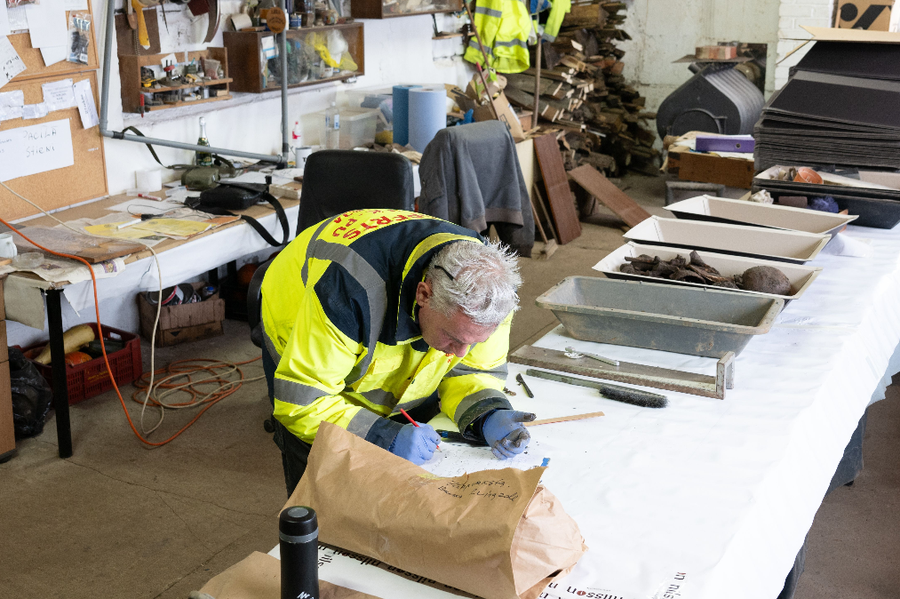
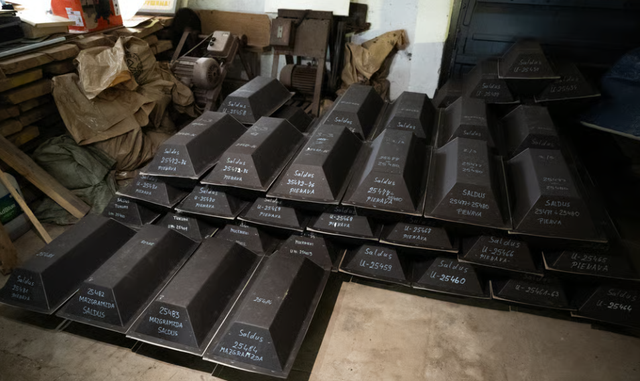
Latvian authorities no longer receive instructions. As a result, thousands of recovered bodies remain forgotten, unclaimed by Russia, unburied by Latvia, and trapped in a conflict that did not exist when these soldiers died.


Lini një Përgjigje