


 Shkruar nga Pamfleti
A heavy defeat for Donald Trump, made worse by yesterday's negative GDP data, which grew by only 1.4% in the last quarter of last year. A clear denial of his policies, which risks severely affecting the mid-term elections in November.
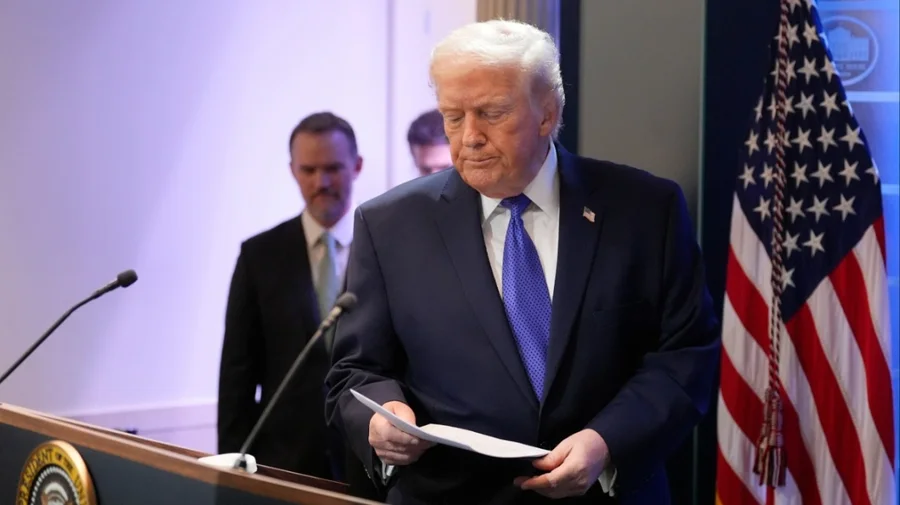
President Trump's tariffs are illegal because he had to seek Congressional authorization to impose them.
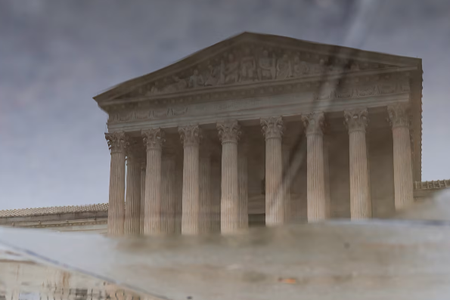
The US Supreme Court has ruled, in a decision that represents the most serious political defeat for the White House leader since the start of his second term and threatens to cost him the November midterm elections.
The tariffs announced on April 2 last year violate the law and therefore the government must return more than $130 billion already collected. Trump responded that "this decision is a disgrace, imposed by judges influenced by foreign powers."
He then introduced a new global tariff of 10%, based on another law, and will begin proceedings to impose further tariffs: "Maybe the Supreme Court didn't want it, but it made things clear. It said I can't demand payments from those who export to our country, but it gave me the power to destroy the rest of the world."
The president invoked the International Emergency Economic Powers Act of 1977 to argue that trade deficits constituted a national emergency. That gave him the authority to impose the tariffs announced on April 2 of last year, later modified based on agreements reached with individual countries, now pending. The Supreme Court ruled against him by six to three.
Chief Justice Roberts, Trump's two conservative appointees, Gorsuch and Barrett, and three liberals, Kagan, Sotomayor and Ketanji Brown, spoke in favor. The three most conservative justices, Thomas, Alito and Kavanaugh, voted against. Roberts wrote the 20-plus-page decision, the gist of which is summarized in this excerpt: "The President asserts the extraordinary power to unilaterally impose tariffs of unlimited amount, duration and scope. In light of the breadth, history and constitutional context of that asserted authority, he must identify clear congressional authorization to exercise it."
Pa miratimin e Kongresit, të gjitha tarifat janë të paligjshme. Tre gjyqtarët që nuk ishin dakord kundërshtuan, duke vënë në dukje kaosin e krijuar nga paratë e mbledhura tashmë mbi 133 miliardë dollarë, shumica e të cilave tashmë janë shpenzuar, për shembull, për të kompensuar fermerët për të ardhurat e humbura për shkak të iniciativave të presidentit të Shtëpisë së Bardhë. Gjykata nuk vendosi se çfarë duhet të bënte qeveria me këto fonde, duke ua lënë çështjen gjykatave më të ulëta për ta zgjidhur, por hapi derën për rimbursime.
Përfaqësuesi i Tregtisë Greer kishte deklaruar më parë se nëse humbiste në Gjykatën Supreme, qeveria do të përdorte ligje të tjera për të rivendosur tarifat. Trump u shfry menjëherë pas kësaj në një konferencë për shtyp, duke fyer gjyqtarët tradhtarë që "turpërojnë familjet e tyre" dhe duke i akuzuar ata se janë në pagën e fuqive të huaja.
"Effective immediately, all National Security TARIFFS, Section 232 and existing Section 301 TARIFFS, remain in place, and in full force and effect. Today I will sign an Order to impose a 10% GLOBAL TARIFF, under Section 122, over and above our normal TARIFFS already being… pic.twitter.com/B3bv5f5KW1
— The White House (@WhiteHouse) February 20, 2026
Më pas ai njoftoi se do të vendoste menjëherë një tarifë të re globale prej 10%, duke u thirrur në Seksionin 122 të Aktit të Tregtisë të vitit 1974, dhe do të përdorte Seksionin 301 për të vendosur tarifa shtesë. Megjithatë, e para është e kufizuar në 150 ditë, ndërsa e dyta kërkon hetime mbi dëmet e pësuara nga SHBA-të për shkak të praktikave të padrejta tregtare, të cilat do të zgjasin me muaj. Është e paqartë nëse këto do të jenë të mjaftueshme për të mbuluar tarifat e humbura dhe për t'i bërë ballë padive që së shpejti do të ngrihen për të ndaluar përsëri Trump, duke pasur parasysh se Gjykata Supreme ka kërkuar autorizim të qartë nga Kongresi për të marrë masa të tilla. Sidoqoftë, vite betejash ligjore na presin.
Një humbje e rëndë për Donald Trump, e përkeqësuar nga të dhënat negative të PBB-së së djeshme, e cila u rrit vetëm me 1.4% në tremujorin e fundit të vitit të kaluar. Një mohim i qartë i politikave të tij, i cili rrezikon të ndikojë rëndë në zgjedhjet e mesit të mandatit të nëntorit.
Pasojat e vendimit të Gjykatës
Vendimi i Gjykatës së Lartë pritet të ketë pasoja të menjëhershme ekonomike dhe politike. Sipas kryeekonomistit të EY-Parthenon, Gregory Daco, anulimi i të ashtuquajturave tarifa "hakmarrëse" do të çojë në një ulje të ndjeshme të normës mesatare të tarifës së aplikuar për produktet e importuara, e cila vlerësohet të bjerë nga 16.8% në rreth 9.5%. Në të njëjtën kohë, ekonomistët vlerësojnë se të ardhurat që pritet të gjenerohen nga këto tarifa në vitin 2025 do të variojnë midis 130 miliardë dhe 140 miliardë dollarëve.
The decision also paves the way for claims for compensation from companies that had already paid the relevant amounts, while at the political level, pressures are also intensifying for refunds for consumers. The Democratic governor of Illinois has called for a refund of $1,700 per family, citing a Yale University study, while the governor of California has advocated for compensation for citizens.
In addition to the fiscal impact, the decision could limit the US government's negotiating power in trade talks with third countries, as using tariffs as leverage has been a key tool of Trump's policy. The White House clarified that even countries that have already signed trade agreements with the US are subject to the new additional 10% tariff.
If the administration seeks to maintain or reinstate the repealed tariffs beyond the 150-day interim period, legislative intervention through Congress will be required, a process that can be politically complex and time-consuming, especially given the midterm elections.



Lini një Përgjigje