


 Shkruar nga Pamfleti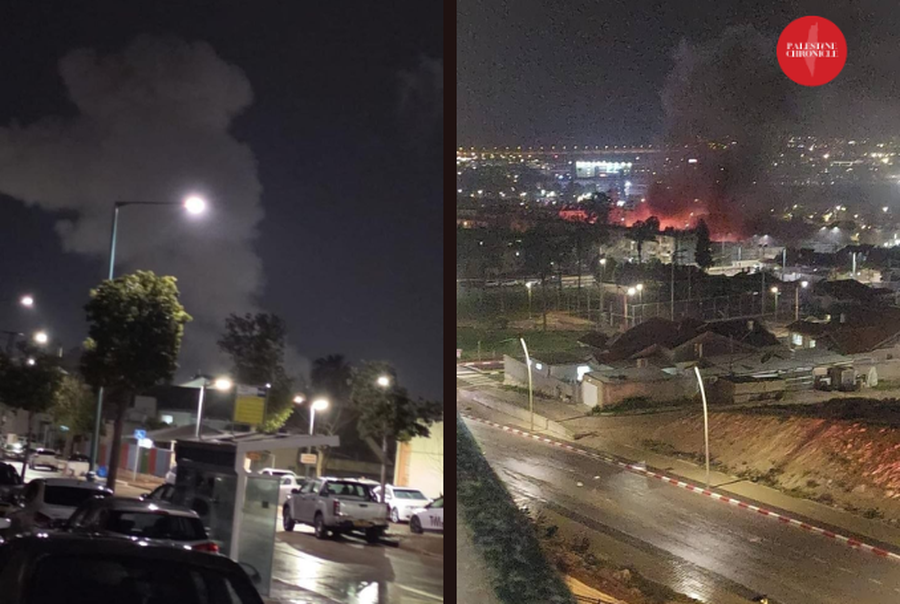
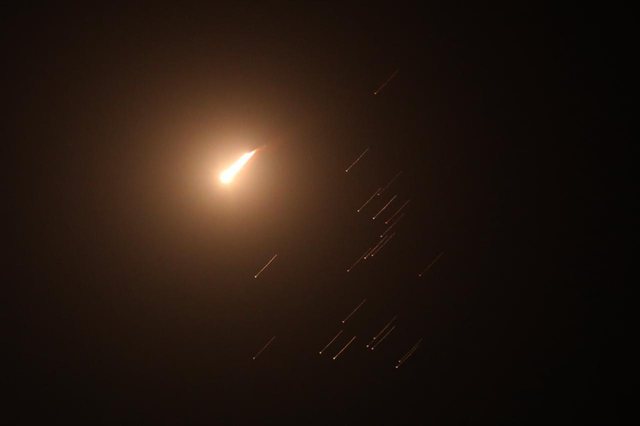
Iran is using long-range ballistic missiles with multiple warheads, challenging Israel's air defense systems, which are having difficulty intercepting them. The latest attacks have also hit the sensitive area of Dimona, near the Negev nuclear center, significantly increasing security concerns and further escalating the conflict.
The situation in the Middle East is deteriorating significantly, with a new escalation of the conflict between Iran and Israel, where for the first time the strategically sensitive area of Dimona has been repeatedly targeted.
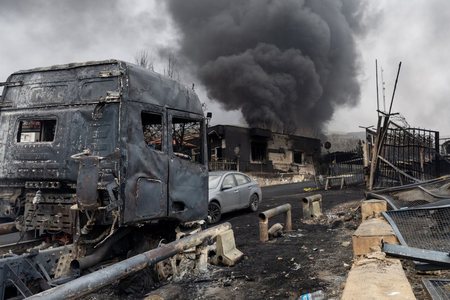
In the southern Israeli city, a three-story building collapsed after being hit by debris from an intercepted Iranian ballistic missile, Israeli fire and rescue services confirmed. Emergency teams were deployed to at least 12 different areas for search and rescue, as the situation remains evolving.
Initial reports indicate at least 20 people were slightly injured in Dimona, while the total number of injured from the attacks in southern Israel has reached at least 39. In the city of Arad, about 30 people were injured after a reported hit by a ballistic missile.

According to Israeli media, cluster munitions, which disperse munitions over a wide area and make interception more difficult, may have been used in the attacks on Dimona. It remains unclear whether the building was hit directly or by fragments after being neutralized in the air.
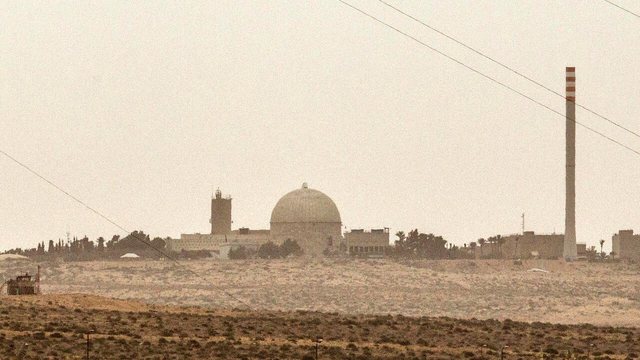
Dimona is one of the most sensitive targets in Israel, as it is located near the Negev Nuclear Research Center. The complex is widely considered to be a key part of Israel's nuclear program, although Israel follows a policy of non-confirmation. The area is protected by a multiple air defense system, making any strike there particularly significant from a strategic perspective.
???? #LATEST — Footage of an Iranian ballistic missile slamming into the ground in the southern Israeli city of Dimona pic.twitter.com/phIIi1u9Tb
— Türkiye Today (@turkiyetodaycom) March 21, 2026
The International Atomic Energy Agency (IAEA) said there were no signs of abnormal radiation levels and no indications of damage at the nuclear facility. Director General Rafael Grossi stressed that the situation was being closely monitored and called for “maximum military restraint,” especially near nuclear facilities.
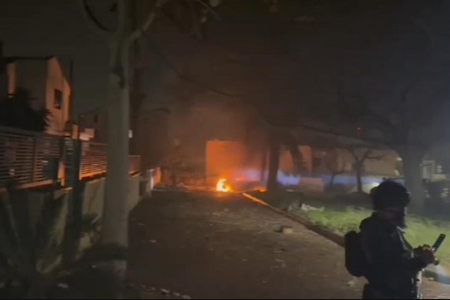
The attacks on Dimona are part of a wider Iranian missile campaign, with at least five waves of attacks recorded overnight. The Israeli military confirmed that a new wave of rockets was on its way to its territory, urging citizens to take shelter immediately.
In parallel, the northern front has also been activated. Hezbollah has launched rockets from Lebanon towards northern Israel, causing alarm in the Western Galilee area, including Nahariya.
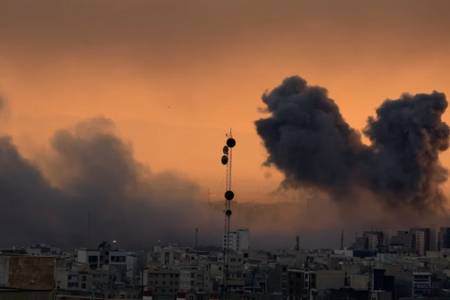
The developments are not limited to Israeli territory. Iranian media are reporting airstrikes on several Iranian cities, including Tehran, Karaj, and Isfahan, indicating a direct escalation of the military conflict.
Meanwhile, incidents have also been reported in Iraq, where drones were intercepted near Erbil airport, while another crashed near Baghdad, injuring four people.
Israeli authorities warn that the missiles used by Iran, especially those with long ranges and multiple strike systems, are making air defenses increasingly difficult, increasing the risk of wide areas of impact that can extend up to several kilometers.
Recent developments indicate a rapidly expanding conflict, involving multiple fronts and with a growing risk of wider regional destabilization. /Pamphlet





Lini një Përgjigje