


 Shkruar nga Pamfleti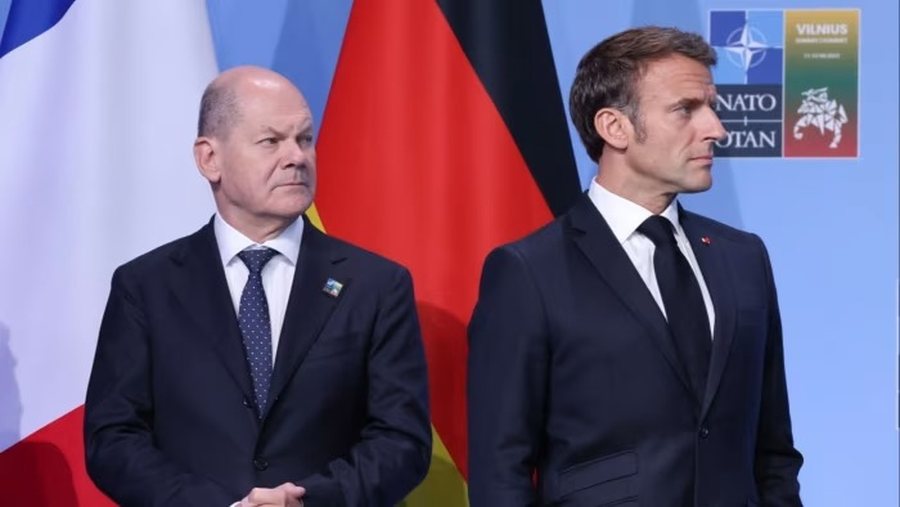
The leaderships of France and Germany are allowing their shortcomings to be weaponized by those who will benefit from this vacuum. Much has been written about the EU's failure to play a role in the Middle East – but leadership cannot emerge from Brussels while its founding democracies avoid rebuilding themselves.
As the world focuses on the many ways in which the Israel-Hamas war is reshaping the geopolitics of the Middle East, Western powers are also grappling with its impact on their societies and domestic politics.
The concern is not only about an immediate regional spread of the crisis, but about the consequences in Paris, Berlin, London and beyond.
Given the difficult histories of France and Germany, rising anti-Semitism in both countries is of particular concern following the October 7 Hamas massacre in Israel and the Israeli government's war of revenge.
In France, which has the largest Jewish and Muslim communities in Europe, the events could potentially pit two minorities, both of which have reason to feel systematically and historically victimized and persecuted, against each other.
In Germany, the weight of World War II needs no explanation.
Leaders in both countries have addressed the unacceptable rise in anti-Semitic acts. German Vice-Chancellor Robert Habeck recorded an unflinching, direct 10-minute video statement. He asserted that Israel's security was part of Germany's Staatsräson, emphasizing a responsibility that was both collective and deeply individual for every person in Germany. Habeck reminded the Germans that the Holocaust is still in living memory. This was a warning that these events should not be allowed to slip into the mists of historical time, but remain real and present.
In France, Emmanuel Macron issued a similar warning, but chose to do so at France's most prestigious Masonic lodge, Le Grand Orient de France, known for its anticlericalism and commitment to reason and Enlightenment values. This is a place of intellectualism, ideas and pure rhetoric, detached from embodied forms of belonging. When the word "Jew" was finally mentioned, it was to emphasize that "the persecution of a Jew is always a form of persecution against the republic". This was the opposite of Habeck's attempt to bring the listener closer to the human experience: Macron spoke of persecution as an abstraction.
Turpi i përbashkët që po nxit këto paralajmërime të ndryshme zbulon pikat e verbër dhe pakësimin e përfitimeve të thirrjeve të tilla sot. Mbase mbi të gjitha, ai zbulon krizat e identitetit në zemër të vendeve më të fuqishme të BE-së.
Gjermania gjatë dy viteve të fundit e ka parë besimin e saj në merkantilizëm si një mjet për demokracinë të ekspozuar si të pamoralshme, mbështetjen e saj në rehati si një shenjë dalluese e suksesit të sfiduar, aftësitë e saj industriale të testuara nga varësia nga Kina dhe karakteri i saj pacifist i riformuluar nga nevojat e luftës. . Një ringjallje e antisemitizmit mund të ndihet si një sfidë për të vërtetën e tij të fundit themelore. Dhe kështu, ripohimet e rrepta të Habeck-ut për këto të vërteta ishin të nevojshme, por edhe të dëshpëruara.
Fjalët e Macron zbuluan të metat e një universalizmi që, për shkak se pohon vlera republikane të përjetshme, nuk mund të lejojë një rishikim të së kaluarës si një vend real, me vuajtje të vërteta. Prandaj, vështirësia për t’u përballur me antisemitizmin dhe kolonializmin, të cilat reduktohen në ofendime kundër idealeve të republikës franceze dhe jo në krime kundër njerëzve. Ky fetishizim i fjalëve mbi të vërtetën është pjesërisht ajo që lejon një parti të tillë si Tubimi Kombëtar i Marine Le Pen të marshojë pa turp kundër antisemitizmit.
Kur republika bëhet një abstraksion, ajo bëhet një hapësirë boshe mbi të cilën çdokush mund të projektojë fantazitë më të ndyra; kur viktimat e persekutimit nuk janë më mish e gjak, ato mund të përqafohen ose të refuzohen, ashtu si edhe persekutorët. Le Pen dhe ekipi i saj (së bashku me shumë parti të tjera të së djathtës) ripërcaktojnë se çfarë përbën një krim dhe çfarë përbën një viktimë. Hebrenjve (të cilët Tubimi Kombëtar dhe paraardhësi i tij, Balli Kombëtar, i kanë persekutuar që në fillimet e tyre) u jepet statusi i viktimës nga Tubimi Kombëtar kur mund të gjejë koka më të përshtatshme – në këtë rast, myslimanë.
Në gjithë këtë ka një paradoks.
Zgjedhja e fjalëve më të qarta dhe më të drejtpërdrejta nga Habeck përcolli autoritet dhe ndershmëri. Por shërbeu gjithashtu për të nënvizuar se këto fjalë nuk mund ta bëjnë më punën më vete pa një histori të re kombëtare në të cilën Gjermania e riformulon veten si një lloj tjetër suksesi – i hequr si nga makthi i Holokaustit ashtu edhe nga paqja merkantiliste që mbështeti vend përmes luftës së ftohtë dhe ribashkimit, por tani ndihet i zhveshur.
Ndërkohë, rrëfimi i Macron tregon kufijtë e tregimit kur ai nuk është i gatshëm të trajtojë të vërtetat e vështira. Aty ku Habekut i mungon një histori, Macronit i mungon e vërteta. Dhe asnjë vend nuk mund të ecë përpara: Gjermania sepse është bllokuar nga të vërtetat e së kaluarës dhe Franca sepse refuzon t’i pranojë ato duke iu përmbajtur një historie gjithnjë e më të zbrazët.
In this context, it is difficult to emerge new compelling narratives – stories that embrace the past but also allow for the creation of new national identities. With a war raging in Europe itself and far-right parties resurgent within the continent's democracies, such "identity failures" threaten the cohesion and capacity of the EU.
Now the war in the Middle East makes this threat even more urgent. The leaderships of France and Germany are allowing their shortcomings to be weaponized by those who will benefit from this vacuum. Much has been written about the EU's failure to play a role in the Middle East – but leadership cannot emerge from Brussels as its founding democracies avoid rebuilding themselves./ The Guardian




Lini një Përgjigje