


 Shkruar nga Pamfleti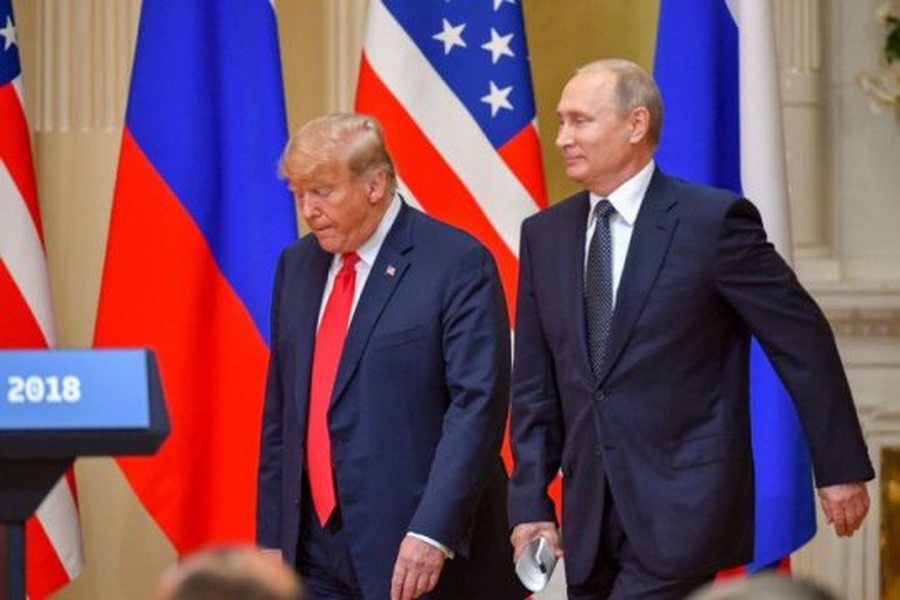
On Sunday, US President Donald Trump threatened Russia with "secondary tariffs" if it does not agree to a ceasefire with Ukraine.
"If Russia and I are unable to make a deal to stop the bloodshed in Ukraine, and if I think it was Russia's fault, which it may not be... I will put secondary tariffs... on all the oil that comes out of Russia," the US president told NBC News.
"That would be if you buy oil from Russia, you can't do business in the United States," Trump added. "There would be a 25% tariff on all oil, a 25 to 50 point tariff on all oil."
He also described it as a "25% tariff on oil and other products sold in the United States, a secondary tariff."
So what is a secondary fee?
When a government imposes trade tariffs, it means it is taxing the importer of goods. It is effectively an entry fee on products, usually set at a percentage of their value.
This is not the first time Trump has talked about using "secondary tariffs."
He seems to mean a tariff imposed on a country because it does business with another country – in this case Russia.
So, Trump appears to be threatening to impose a 25% to 50% tariff on products brought into the US from countries that buy Russian oil.
The largest buyers of Russian oil are China and India.
In March 2022, the US said it was banning imports of almost all Russian energy products. Other Western countries have issued similar sanctions.
And the US has a broader and more complex sanctions regime against Russia.
Its aim, in part, is to make it more difficult for Russia to buy and sell products.
So the secondary tariffs that Trump is suggesting would make it more difficult for Russia to sell oil as buyers would be mindful of damaging their trade with the US.


Lini një Përgjigje