


 Shkruar nga Pamfleti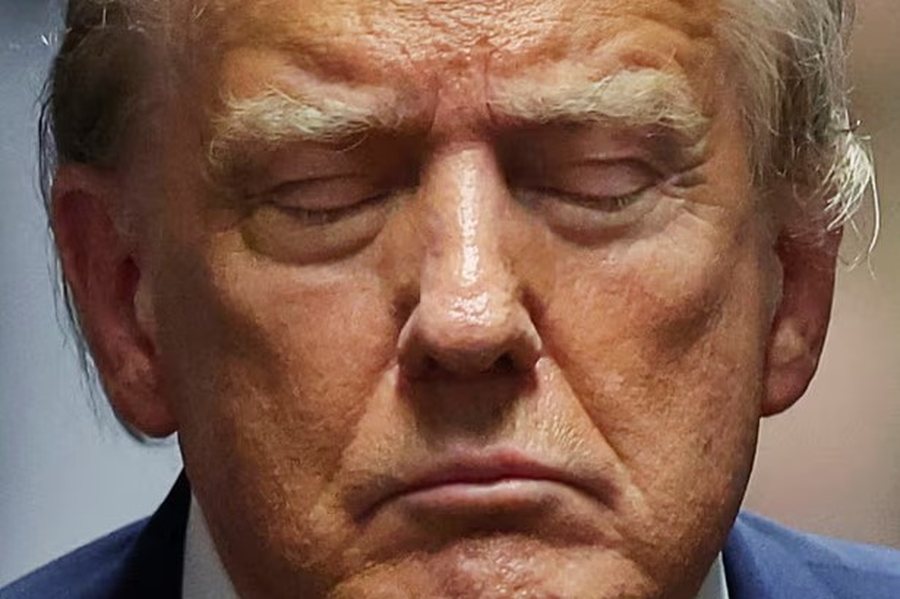
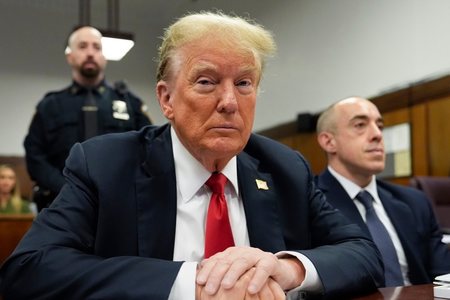
A jury in Manhattan, New York has convicted Donald Trump on all 34 counts of falsifying business records in the hidden money case.
The next immediate question is: what sentence should the former US president receive?
It's a decision entirely up to Juan Merchan, the judge overseeing the case. The crimes Trump was found guilty of, falsifying business records in the first degree, are Class E felonies in New York, the least serious category, punishable by up to four years in prison.
His sentencing is scheduled for July 11.
Trump's lawyer gives jurors reason to acquit — highlights from closing arguments.
"I think the judge probably wouldn't jail him under those circumstances alone," said Cheryl Bader, a law professor at Fordham University who called any prison sentence "unlikely."
"But also given that he's a former president, has a Secret Service detail, and is also the presumptive Republican nominee, I think a prison term would be very difficult logistically, but it would also have political implications I think that Judge Merchan would like to avoid.”
Any sentence will likely consist of a fine, probation, community service, or some combination thereof.
"I would like to see community service — picking up trash on the subway," said Karen Friedman Agnifilo, a former senior prosecutor in the Manhattan district attorney's office.
Much may depend on how Merchan interprets Trump's behavior, including any lack of remorse.
But Trump is unlikely to face jail time, experts say. He is a first time offender and the crime he was convicted of is a non-violent crime on paper.
The jury did not have the option of convicting Trump of a misdemeanor — for falsifying business records, but not in service of another underlying crime. Trump's lawyers could have asked Merchan to give the jury that option, but they didn't.
Both prosecutors and Trump's lawyers will make sentencing recommendations. So will the probation office, which will prepare a confidential presentation report for the judge.
Trump will almost certainly appeal soon. Any sentence then would probably be on hold while an appeal is pending.
The appeals process would take months, even years, to unfold, meaning it could be some time before the sentence takes effect. Trump has 30 days to file a notice of appeal of the guilty verdict, and then six months to file a full appeal to the First Judicial Department, which hears appeals from the New York district. If a conviction were upheld, Trump would likely appeal to the New York appeals court, the seven-member body that is the highest appeals court in New York state. This court has discretion whether to hear the case or not.
The issues argued on appeal are likely to be complex questions of law—for example, whether the judge gave proper instructions to the jury and whether he allowed the proper evidence to be admitted or excluded.
The facts and credibility of the witnesses would not be issues on appeal.
If the sentence is upheld by the New York appeals court, Trump is likely to appeal to the US Supreme Court, which could also choose whether or not to take up the case. Because the case is under New York state law, bringing it to the US supreme court would require Trump to convince the justices that there are any federal or constitutional issues at play.
The conviction will not affect Trump's legal ability to run for president. The Constitution does not prohibit criminals from running for office. Whether he could serve as president from prison is unproven. He would not be able to excuse himself from any punishment, as it is a state crime.
The conviction probably won't affect Trump's ability to vote in this fall's election. Florida, where he is registered, allows people with an out-of-state conviction to vote if the state where they were convicted allows it. In New York, someone with a felony conviction can vote as long as they are not incarcerated.





Lini një Përgjigje