


 Shkruar nga Pamfleti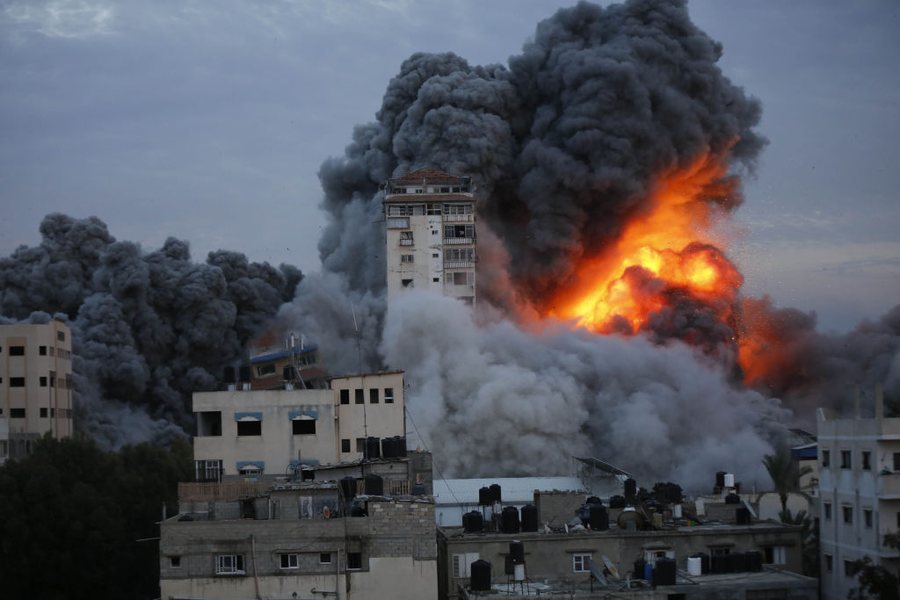
Silence sometimes kills more than bombs or war… because untold stories are destined to repeat themselves.
Since last October 7 until October 29 of this year, the official balance from the United Nations Organization for Israel's war and attacks in Gaza is: over 43 thousand people killed. Of them, over 13,000 are children, all of them innocent. Also over 7 thousand women lost their lives along with thousands of men and other elderly people.
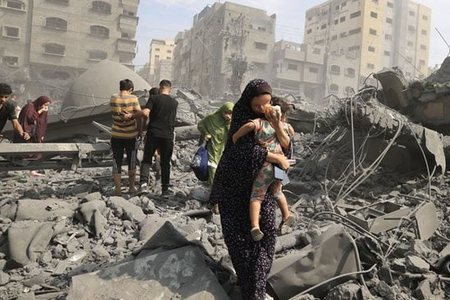
Over 100,000 were injured and dozens of hospital structures were destroyed. These numbers show a little of the horror that happens every minute in an enclave of Palestine almost completely destroyed, now turned into the worst hell on earth. Voices from inside Gaza have told us the miserable conditions in which they live, starting from the lack of a shelter over their heads, food, drinking water to the uncertainty that tomorrow may not find them alive. Many tell us that in fact, for them, the only escape from this hell... remains death...
This is Qamar Sobh, a little girl from Gaza who literally carries on her back all that is left of her family: her little sister Samia. In an attempt to escape the hell of war and take her little sister to a facility for treatment, she walks 2 kilometers every day... But this time she is helped by a humanitarian team.
"World, please listen to us. We are tired, there are dead people everywhere. Call and bring us an ambulance. We were sitting when all this happened", says the little boy in Gaza.
His desperation came after Israeli forces bombed a food market in Gaza City in the center of the Palestinian enclave killing at least 5 people.
In the land of hell, there are those who approach "death" itself as the only way to survive.
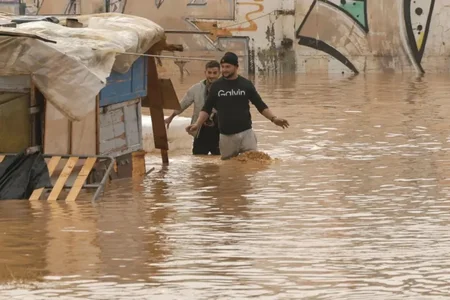
"This is my tent, located near this cemetery. Look at how terrible and scary it is for children. Look how we are living, we have no food and no water. We cover ourselves with blankets. This is where we live. Look how dark it is in the cemetery. My children have nothing to eat or drink. They cry all night because they want to eat. But where can I find food for them?” said Razzak Al-Qassas, displaced in Khan Yunis.
This is Ola Hammad from northern Gaza. We have been in contact with her for days as she told us her tragic story of how her family was separated by the war, which destroyed her dreams, past, present and future. Unable to speak and sick with hepatitis, she sent us this letter:
Letters from inside hell, Gaza
My name is Ola Hammad and I turned 25 years old, 6 months after the Flood War, on April 5th. My mother gave birth to me in the city of Khan Yunis, in the south of the Gaza Strip, and I lived all my life in the north of Gaza until the 15th of October. My last day in northern Gaza is the day of separation. I am writing my story now, as rockets fall around me, the sound of the explosion hurts my head. This noise has not left me since October 7th and the machines of invasion are approaching. I don't know how many days or hours of life I have left.
My life before October 7 was beautiful and I always felt God's goodness towards me. He never left me. I was born in a beautiful family and my father was very rich, thank God. I was always one of the best in school. Then God wanted me to study applied chemistry and then graduate. In 2021, I started a job that anyone would want and I didn't stop there. I finished my pharmacy studies, then the war came and destroyed the university I was studying in, destroyed all my dreams and destroyed my past, present and future.
When the war began on October 7, we all knew that this was like no other war. It was either death or victory. Our neighbor's house was bombed and we miraculously escaped. Death followed us everywhere we went. We only stayed 8 days in northern Gaza in my big, beautiful house until it was destroyed. The occupier threw leaflets at us that Gaza was being evacuated and we had to go to Rafah. We refused this, but my father, God forbid, was afraid for us. He asked us to flee south of the Strip (Rafah). I, my mother, my sister and my little brother fled from northern Gaza.
I did not know that this was the last farewell to my grandfather who was martyred and to my house which was destroyed. Even to this day I suffer the moment of separation.
I said goodbye to my father and my two brothers with tears and anxiety, and we trusted God and went to Rafah. On the way, in Salah al-Din, a truck and two cars in front of us full of displaced people like us, going to Rafah, were bombed. We saved again. I saw dozens of martyrs disfigured before my eyes and I will never forget that day.
We reached Rafah and pitched our tent in an area called Tal al-Sultan. I cannot describe the tragic life inside the tents. I never fit in. I fell into depression. We continued to wait for the war to end and return home. Then suddenly we got the news that our house had been bombed. We had no contact with our father, grandfather and brothers in northern Gaza. I waited for days until we heard their voice and they were fine, thank God. Then they stayed at my uncle's house until the invaders' cars arrived.
Ne humbëm kontaktin me ta për 11 ditë, sikur të ishin 11 vite më janë dukur. Çdo ditë kalonte si një makth, derisa pamë foton e parë në internet kur automjetet e pushtuesve mbërritën në veri të Gazës dhe arrestuan të rinjtë dhe ua hoqën rrobat. Fotoja ishte pranë shtëpisë së xhaxhait tim ku jetonin babai dhe gjyshi dhe vëllezërit e mi. Në atë kohë më ishte thyer zemra dhe isha i sigurt se babai dhe vëllezërit e mi ishin me ta. Vazhdova të shikoja foton dhe t'i kërkoja, por nuk i gjeta... A i vranë... A i arrestuan... Ku janë... Pse nuk u shfaqën në foto!
Ditën e dhjetë, ndërsa po shikoja video në Instagram, gjeta babain të zhveshur dhe duke folur me ushtarin me një trimëri të papërshkrueshme. Babai im është shumë i guximshëm dhe nuk ka frikë nga asgjë. Vëllai im ishte ulur përballë dhe ai gjithashtu ishte zhveshur, por për fat të keq vëllai im nuk është trim si babai. Zemra më thyhej pa pushim. E pashë videon dhe po shikoja babain tim dhe mendoja: A do ta shoh përsëri!
Ndihesha e vetmuar dhe e tjetërsuar. Qaja shumë dhe prisja një telefonatë apo ndonjë shenjë apo ndonjë lajm që do të dëgjoja për ta. Doja që dikush të më gënjente dhe të më thoshte se ata ishin mirë që zemra ime të qetësohej. Më pas mora një mesazh zanor në ditën e njëmbëdhjetë nga babai im në Messenger dhe ai më tregoi se ishte mirë dhe se pushtuesi i mallkuar i arrestoi, ua hoqi rrobat dhe i çoi në breg të detit për dy ditë, pa ngrënë e pa pirë, në muajin shumë të ftohtë të dhjetorit. Pavarësisht gjithë kësaj, shqetësimi i vetëm i babait tim ishte se a ishim ne mirë.
Gjyshi im pa se çfarë ndodhi me ta dhe më pas shëndeti i tij u përkeqësua. Gjyshi im përjetoi Nakba (spastrimin etnik) në vitin 1948 dhe dëshmoi Luftën e Përmbytjes në 2023 dhe vdiq në të, në moshën 92-vjeçare. Ai vdiq nga mbytja nga era e gazit dhe e fosforit kur ndodhi bombardimi pranë tij më 16 dhjetor dhe u varros në shtëpi. Ne këtu në Rafah mësuam se gjyshi im ra dëshmor pas 3 ditësh për shkak të një ndërprerjeje komunikimi. Kemi qarë shumë, aq sa zemra na dhimbte.
Më pas e morëm lajmin për martirizimin e kushërirës sime për shkak të mungesës së mjekimit për të, sepse ishte e sëmurë me kancer. Çdo ditë dëgjonim lajmin për vdekjen e njërit prej të afërmve dhe fqinjëve tanë. Njerëzit po vdisnin nga uria në veri të Gazës. Familja ime atje po përjetonte një zi të vërtetë buke. Nga ana tjetër, këtu në Rafah ka ushqim, por nuk mundëm ta blinim për shkak të çmimeve të larta dhe nuk kishim para.
Ne po jetojmë ditët më të këqija të jetës sonë këtu në kampin e të zhvendosurve. Çdo gjë e marrim me vështirësi ose nuk e marrim fare. Ushqimi dhe uji nuk janë gjithmonë në dispozicion. Ne hamë vetëm atë që na mban gjallë. Nuk ndihemi kurrë të ngopur.
Ne kishim toka të mëdha bujqësore që përmbanin të gjitha perimet dhe frutat që mund të imagjinoni dhe Zoti i bekoi. Ne shpërndanim perime dhe fruta te të afërmit dhe fqinjët. Por shtëpia jonë e madhe u bombardua dhe tokat bujqësore u rrënuan me buldozer. As kafshët nuk u kursyen. Të gjithë u bombarduan nga pushtuesi i mallkuar. Këtu babai humbi gjithçka.
Ka dy ditë që bombardimet nuk kanë të ndalur asnjë minutë. Masakrat përsëriten, fëmijët vriten dhe mbesin jetimë, gratë mbeten të veja, dhe sot një predhë ra në shkollën pranë nesh, dhe pati dhjetëra dëshmorë dhe të plagosur, kështu që njerëzit këtu u detyruan të iknin përsëri në Maëasi të Khan Yunis.
Tani, unë jam këtu në Rafah, vetëm. Më mungon babai dhe vëllezërit e mi, dhe raketat bien rreth meje, duke bombarduar çdo minutë. Nuk mund të shpëtoj familjen për mungesë parash.
Ne jemi këtu duke pritur vdekjen, por vdekja është shumë më e mire të vijë shpejt sesa ta presim atë. Unë nuk dua të jem vetëm një numër. Kam synime të mëdha në jetë. Unë dua të jem farmaciste dhe t'i shërbej popullit tim. Motra ime dëshiron të përfundojë studimet në Fakultetin e Mjekësisë dhe vëllai im i vogël dëshiron të përfundojë karrierën e tij arsimore dhe kjo është e drejtë e të gjithëve. Dhe nëna ime dëshiron të jetë krenare për ne dhe që ne të qëndrojmë gjithmonë pranë saj. Na kujtoni gjithmonë. Nëse e humbim këtë jetë. Lutuni për ne”.
Histori të ngjashme janë me qindra dhe me mijëra çdo ditë, ku njerëz dhe vogëlushë të pafajshëm mbetën të vetëm në atë tokë ferri. Sikur kushtet e mjerueshme humanitare në Rripin e Gazës të mos mjaftonin, Izraeli do të merrte një vendim që ka gjasë të përkeqësojë edhe më tepër jetët e civilëve deri në nivelin e pajetueshëm. Në mazhorancë të madhe parlamenti i shtetit hebre miratoi një projektligj për të ndaluar veprimtarinë e Agjencisë së Kombeve të Bashkuara për Refugjatët Palestinezë. Një veprim shumë i kritikuar nga vetë OKB, por edhe aleati më i madh izraelit, Amerika. Shqetësimi kryesor është se miliona palestinezë, që jetojnë nën pushtim, mund të vuajnë nga uria dhe mungesa e konsiderueshme të pajisjeve jetike, përfshirë medikamentet.
“Ne kemi një popullatë këtu që është gjunjëzuar, duke kaluar nëpër mjerim dhe vuajtje absolutisht të patregueshme. UNRWA po luan një rol të paprecedentë për çdo organizatë tjetër humanitare kudo në botë. Duke pasur parasysh shtrirjen e mandatit tonë, i gjithë sistemi humanitar këtu mbështetet çdo minutë të çdo dite tek Agjencia e OKB për Refugjatët Palestinezë për të ofruar shërbime për 2 milionë njerëz që jetojnë në kushtet më të këqija të mundshme. Gjatë 12 muajve të fundit, UNRËA ka ofruar ndihmë ushqimore për 1.9 milionë njerëz, për 90% të popullsisë së Gazës. Ne po ofrojmë strehim për qindra mijëra njerëz që jetojnë brenda dhe përreth shkollave tona. 60% e të gjitha konsultimeve shëndetësore në Gaza kryhen nga personeli i UNRWA”, tha Sam Rose, zv. Drejtor i UNRWA.
Since last October 7, 38 Israeli children have been killed, 13,319 children have been hanged in Gaza, 786 of them younger than 1 year old. 165 children lost their lives in the West Bank. Children are not terrorists. I wonder what will happen to the 1 million children in Gaza. What do they do in the span of 20 years".
"If the UN Refugee Agency is unable to operate, you are likely to see the collapse of the humanitarian system in Gaza. UNICEF would effectively become unable to distribute supplies. Here I'm talking about vaccines, I'm talking about winter clothes, I'm talking about hygiene equipment, health equipment, therapeutic food for malnutrition. We know that we are again knocking on the door of hunger. This means that a new way to kill children has been found ," said James Elder, spokesperson for UNICEF.
With peace nowhere in sight, not even a semblance of a ceasefire, Palestinians are sinking into despair. The possible extinction of the guardian "angel", the UN Refugee Agency, risks plunging the enclave even further into hell. The dire humanitarian situation in Gaza requires an immediate and comprehensive response from the international community. The blockade, the lack of vital resources, and the daily suffering of the civilian population are evidence of a crisis that cannot continue to be ignored. Every day that passes without resolution increases the pain, fear and uncertainty for a people seeking to live in dignity. But beyond the tragedy, is there still hope for the future… for peace for all?
Politics cannot be left out of this equation, as it is the sector that has produced this situation of misery and war in the Palestinian land. The question that naturally arises in this situation, where half of the Gaza Strip has been completely destroyed by the Israeli army, is what will be the next step? How can peace be made for everyone, especially for the Palestinians who have been asking for decades to be recognized for their right to exist and now desperately, the main demand is to survive. /A2 CNN


Lini një Përgjigje