


 Shkruar nga Pamfleti
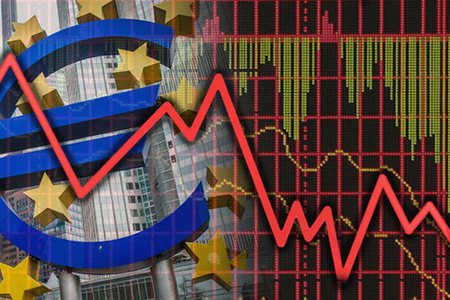
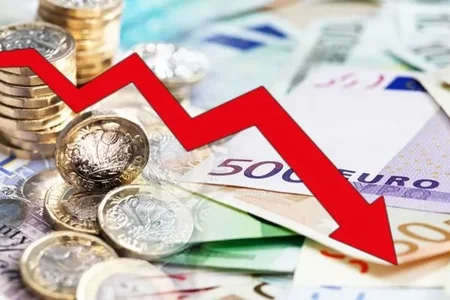
The approach of the summer months combined with the high amount of informality in the market has caused the European currency to further lose ground in recent weeks. Since the beginning of March, the euro has not raised its head, touching new levels.
" In this exchange rate, the greatest pressure is given by the amount of euros as a result of many tourists and informal euros, but at the same time the impact of foreign direct investments that have been at significant levels or other factors related to the speed of the increase in monetary supply in Lek ", said Adrian Civici, economic expert.
Compared to the beginning of last year, in January and February, where the average euro was recorded at 116 lek, the first months of 2024 fixed it at 13 lek less.
According to experts, the large availability of the euro in the monetary and financial market could be helped by a further intervention of the Bank of Albania.
" There are two elements that can help. Until now, we have talked about the intervention of the Bank of Albania to make massive purchases in the market to increase the foreign exchange reserve, but still, this has a limit. The second element is the increase in the money supply in lek, and it has had an impact because it has more to do with the increase in wages, the improvement of the trade balance , "he said.
" If we refer to the trend of the last 24 months, the main cause has been the very large amount of euros in the monetary and financial market ," he said.
The highest value that the European currency reached in 2023 was in January, reaching the level of 102 lek at the end of the year. ? "If the pressure will be as strong in terms of the flow and availability of the euro, it is normal that the impact will be downward, in favor of the lek."
From an average of 123 ALL in 2019 to 108 ALL in 2023, in the last half decade the euro has fallen by 11.5%. /A2 CNN


Lini një Përgjigje