


 Shkruar nga Pamfleti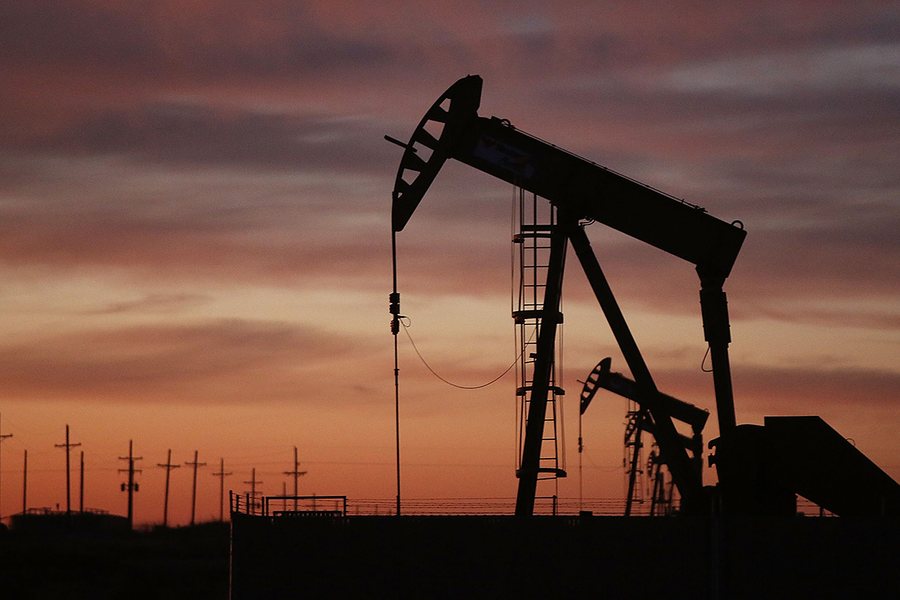
The "natural resource curse" is a term widely used in economics and refers to the paradox where countries that have an abundance of non-renewable natural resources experience poor economic performance. This tendency is often called the resource trap and can lead to corruption.
If a large portion of national wealth is concentrated in just a few industries, the government may abuse its regulatory powers, such as awarding valuable contracts based on bribes.
The wealth curse is evident when it comes to one particular natural resource: oil. A University of California study analyzed the correlation between natural resource wealth and politics and concluded that there was a resource curse in oil-rich countries.
According to the study, three harmful (and largely unresolved) effects were evident in these countries: Fostering authoritarian regimes; Increase in corruption; Causing conflict in low- and middle-income countries. The study noted the use of the term resource curse in countries in Africa, Latin America, the Middle East and the former Soviet Union.
Experience has shown that countries that have natural resources often become "lazy" in search of sustainable development alternatives. The opposite has happened with countries less rich in natural resources, where e.g.
Estonia saw a rapid development of information technology after the 90s, precisely because of the lack of resources and harsh weather.
Albania is a typical case of how the many natural resources have not helped to improve the well-being of its population, which even today continues to remain among the poorest in Europe.
The country has the largest oil-bearing field on earth in Patos-Marinze, but still after almost two decades, the company that uses it with a concession does not pay profit tax.
The numerous sources of chromium have mostly become the cause of conflicts due to the informality of exploitation, or the source of accidents as a result of poor safety measures.
Revenue from mining rents, – a tax paid by companies that exploit natural resources in the country, that is oil, bitumen, gas. chrome, copper, construction materials -, according to the data of the Ministry of Finance, were 4.2 billion ALL (about 40 million euros) in 2022.
This amount is less than 1% of the total revenue that the budget collects from taxes and duties. Bulqiza, one of the richest chrome areas and where the local government keeps 25% of the rent according to the law, is one of the poorest in Albania.
Edhe uji, një tjetër pasuri natyrore që e kemi me shumicë, po keq shfrytëzohet përmes hidrocentraleve të vogla në kurriz të bujqësisë e turizmit, teksa vendi vijon të mos diversifikojë energjinë (diellin e kemi për fat të mirë me shumicë) dhe të importojë me kosto të larta në periudha thatësire.
Pa dyshim që lajmi i fundit i mundësisë për të pasur naftë në zonën e Shpiragut është i mirë, ndonëse do të duhet kohë për të parë rezultatet konkrete të testimeve.
Vetëm pas ndoshta një dekade do të krijohet një ide më e qartë se sa janë rezervat e naftës, sa të shfrytëzueshme janë ato dhe a ka leverdi nxjerrja dhe tregtimi i saj.
Por, nisur nga përvoja e asaj që kemi përjetuar deri tani më tani me burimet natyrore, edhe nëse do të jenë të bollshme e të shfrytëzueshme, entuziazmi i qeverisë na duket i tepruar.
Përmes krijimit të një fondi sovran, të ardhurat nga i cili pritet të shumëfishohen përmes investimeve, qeveria pret të zgjidhë shumë halle, sidomos rritjen e pensioneve, injektimin e investimeve në arsim e shëndetësi!
Në kontrast të plotë, fondi sovran i Norvegjisë, i ngritur pas zbulimit të burimeve të mëdha të naftës në Detin e Veriut, dhe një nga më të suksesshmit në botë, synon që të sigurojë që këto para të përdoren me përgjegjësi, të mendohet afatgjatë, në mënyrë që të mbrohet e ardhmja e ekonomisë.
Fondi menaxhohet me frymën që pasuria i përket edhe brezave, duke mos e përdorur atë pa kriter sot, me synim për t’i maksimizuar vlerën afatgjatë.
Therefore, more than the utopia that will bring us the salvation of all problems from black "gold", the country needs a clear sustainable development strategy, which means growth without exhausting resources for generations to come.
This, unfortunately, is not happening. Younger generations are being left with a concreted country, with an almost destroyed coastline, with a pension scheme heading for bankruptcy, with natural resources badly wasted, leaving them with no alternative but to leave, which is threatening to kick capital further. valuable that we have in the country, the human one. / Monitor


Lini një Përgjigje