


 Shkruar nga Pamfleti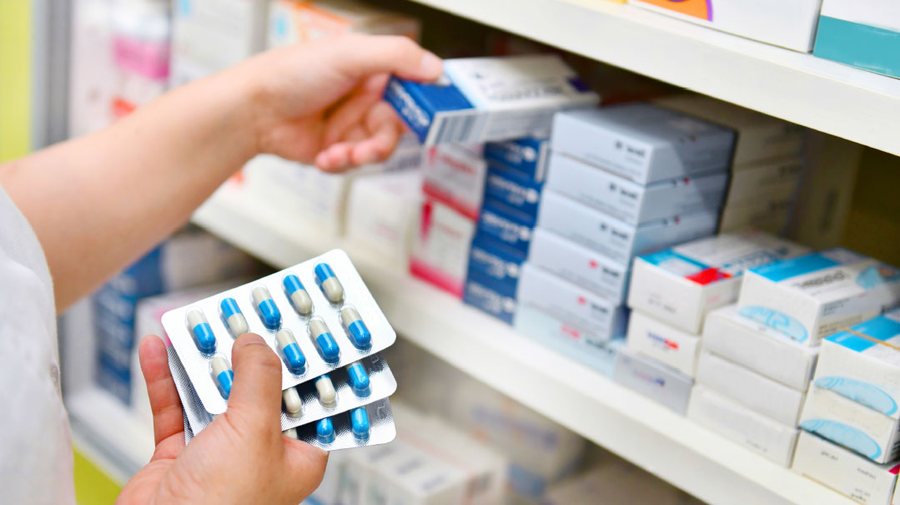
Albania's economy was second only to Montenegro for high growth rates in 2022, but it seems that the sources of growth have not been well distributed among the population as Albanians had more difficulties than their fellow citizens in the Region to pay their medication bills.
Also, dissatisfaction with the increase in prices was the highest among Albanian families, according to the results of the Balkan barometer, which is conducted year by year in 6 countries of the Region by the Regional Cooperation Council (RCC).
The results of the survey showed that 41 percent of families in Albania had difficulty and inability to buy medicines that were not included in the reimbursement list in 2022. In other countries of the Region, this concern was less present except for Kosovo, where 35% of families encountered difficulties in buying medicines that were not on the reimbursement lists.
In contrast, in North Macedonia only 23 percent of families had difficulty affording the payments of medicines outside the reimbursement lists, in Serbia only 16%, in Montenegro 15% and in Bosnia 14%.
Internal developments show that budget revenues are growing at high rates, especially in the last two years as a result of price increases and the revitalization of the tourism sector. However, the education and health sectors are benefiting much less from the redistribution of additional funds.
More detailed data show that the fund for the reimbursement of medications is remaining at the same number of only 10-11 billion lek per year, as the burden of diseases in the population increases year after year.
Regional reports for the pharmaceutical market show that Albania has the poorest list in the Region and the widest in Europe for the reimbursement of medications.
A recent study by IQVIA (a multinational company serving the combined health information technology and clinical research industries) found that Albania has the lowest presence of new drugs on the reimbursement list, with a wide gap with neighbors such as North Macedonia, Serbia, which have approved 11 and 17 new drugs each, respectively.
The IQVIA study shows that of the 160 new medications that were approved for use from 2017-2020, 74 of them, or about 46%, are available to patients in the EU, while in Albania, only 3% of them are available.
In 2022, the fund for the reimbursement of drugs & medical devices reached the value of ALL 11,506 million, or 97.3% of the planning amount.
About ALL 727 million remained unpaid for the reimbursement of medicines & medical equipment. The budget of the Compulsory Health Insurance Fund (FSDKSH) has increased year after year, but the increase has mostly gone to finance contracts with Public-Private Partnerships, such as basic medical check-ups (check-up, sterilization of surgical tools, dialysis and recently the laboratory)./Monitor


Lini një Përgjigje