


 Shkruar nga Skënder Minxhozi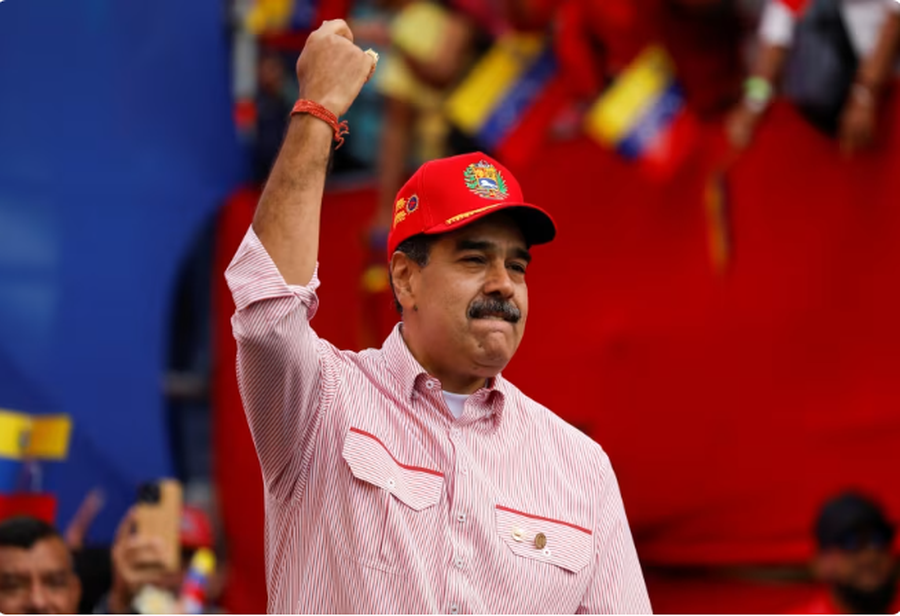
Oil is currently one of the most repeated accusations that Trump's opponents make against his military intervention in this part of Latin America.
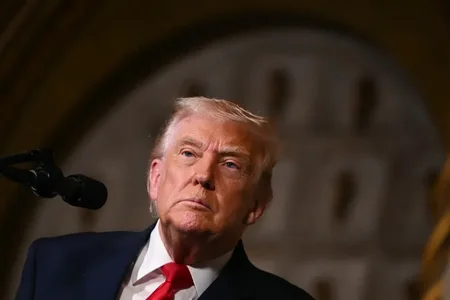
US President Donald Trump is sincerely convinced that he deserves to receive the Nobel Peace Prize. He has been repeating since the summer that he has resolved eight armed conflicts since he entered the Oval Office more or less a year ago. So within a few months he has resolved the disputes between Israel and Hamas, between Israel and Iran, between Pakistan and India, between Armenia and Azerbaijan (it took a while not to confuse Armenia with Albania), just as he has reconciled the Thais with the Cambodians, the Rwandans with the Congolese, the Egyptians and Ethiopians and… the Kosovars with the Serbs! Surprise yourself as much as you want, when Donald Trump says it, it is a fact.
Or rather, it is an “alternative fact,” as he likes to call his truths. Meanwhile, many others see this parade of imaginary successes as a small compensation for the frustration caused in Washington by the half-resolved Gaza conflict and the three-year war in Ukraine that Trump promised to end within 24 hours of entering the White House.
In this context, Donald Trump has also found his own epithet, he likes to call himself the "President of Peace." To prove this, he often mentions that he has been against wars for a long time, starting with Iraq, North Africa, and everything that followed later, up to the Syrian conflict.
So far, everything sounds logical and consistent with what Trump has actually defended in public positions over the last 25 years, starting from the distant September 11, 2001. Trump has been a strong preacher of American non-intervention in wars and conflicts, just as he has been and still is a proponent of economic nationalism and the closure of America within its walls.
The problem is that in the first year of his second presidency, Trump has already left his fingerprints on two acts of US military intervention in Iran and Venezuela in recent hours. Although he tried to package his attack as an air raid that brought peace between Israel and Iran, the US bombing of Tehran’s nuclear tunnels was a classic violation of the rules and principles that underpin relations between states in today’s world.
Sa për Venezuelën, një histori që po shkruhet këto orë, çeshtja duket edhe më e sforcuar nga pikëpamja e diçiturës dhe justifikimit diplomatik. Prej shtatorit Trump ka vijuar ta shtojë dozën e kërcënimeve ndaj Venezuelës, për shkak të asaj që SHBA e konsideron si një fluks i dirigjuar drogash dhe fentanoli që e kanë origjinën nga shteti në fjalë me qëllim nxitjen e fenimenit të përdorimit të narkotikëve nga publiku amerikan. Maduro akuzohet se ka inicuar një tregëti drogash drejt SHBA duke shkaktuar mijëra të vdekur në qytetet amerikane. Një arsye gjithsesi e sforcuar për të sulmuar një vend sovran, sepse me këtë logjikë do t’i binte që Shqipëria të sulmohej nga gjysma e vendeve të kontinentit ku ndodhet, meqë mafiet shqiptare tranzitojnë sot tonelata drogë nga Amerika Latine drejt Evropës e përtej!
Tek nafta qëndron aktualisht njëra nga akuzat më të përsëritura që kundërshtarët e Trump i bëjnë ndërhyrjes së tij ushtarake në këtë pjesë të Amerikës Latine. Venezuela njihet si shteti më i pasur në botë me rezerva të njohura të naftës dhe si e tillë ajo ka nënshkruar marrëveshje energjie me Kinën, Rusinë dhe Iranin. Kjo rrethanë, e bashkuar me afrimin e dukshëm të Maduros me Pekinin dhe presidentin Ji, është parë si e papranueshme nga Uashingtoni në planin strategjik.
Sipas konceptit amerikan Kina nuk mund dhe nuk duhet lejuar të afrohet në detin e Karaibeve dhe në kontinentin amerikano-latin që konsiderohet si një zonë primare influence e SHBA. Kjo ka bërë që në javët e shkuara, para sulmit të sotëm, forcat ushtarake amerikane të mos godasin vetëm anijet që dyshoheshin se sillnin drogë në brigjet e SHBA, por të bllokojnë dhe konfiskojnë edhe anije petroliere në zotërim nga vendet e treta, të ngarkuara me naftë venezueliane.
Avancimi i Kinës në Amerikën Latine, sidomos në Brazil, shihet si një rrethanë kërcënuese për interesat amerikane në kontinent. Burimet e rralla minerare të zotëruara nga Kina në Bolivi dhe vendet fqinje, investimet masive në porte dhe rrjetet rrugore, hyrja e fuqishme në sektorë si energjia e rinovueshme dhe makinat elektrike, kanë ngritur prej kohësh dyshimin amerikan se kjo ofensivë ekonomike kineze mund të sjellë përmbysjen e ekuilibrave strategjikë në këtë pjesë të botës. Goditja e Venezuelës duket pikërisht e projektuar për ta vonuar dhe mundësisht frikësuar këtë avancim kinez në Amerikën e Jugut.
Në anën tjetër, këto orë që po konsumohet sulmi mbi Venezuelë, shumëkujt i vjen ndërmend aksioma e vjetër e politikës amerikane, e cila thotë se sa herë presidentët amerikanë kanë një problem në shtëpi, aq herë diku në botë lind një konflikt i ri ushtarak. SHBA sapo ka hyrë në një vit elektoral dhe republikanët e presidenti Trump ndodhen në pozita të pakënaqshme sa i përket pëlqyeshmërisë së publikut amerikan.
According to the latest polls, there is an 80% chance that in the midterm elections in November this year, Republicans will lose their majority in Congress and possibly even in the Senate. Meanwhile, the same polls show that Trump is currently the least popular president in US history at this point in his presidential term. According to “The Economist”, after 348 days in office, Trump is liked by 39% of Americans, while another 56% are dissatisfied with him.
The unfulfilled promises of price cuts and the failure of the trade tariff strategy against third countries, on which Trump had built his entire economic policy, are the cause of this dissatisfaction of the American voter that pushes the head of the White House to seek alternative ways to increase his popularity. Foreign policy has traditionally been a platform used for this purpose by American presidents, and the attack on Venezuela seems precisely designed to heal, at least partially, the gray mood of the average American about the price of eggs or the cost of health insurance.
How much this latest military incursion into the dangerous Latin American jungle will be able to boost Donald Trump's image remains to be seen. Especially after the warnings that many security experts have made against sending troops to Venezuelan soil, due to the complexity and surprises that such a step could hold in the long term.


Lini një Përgjigje