


 Shkruar nga Prof.dr. Skënder Asani
Sport, and football in particular, must be read as a complex mechanism for constructing identity and promoting state interest. From the conflict fields of the 20th century to the stadiums of the 21st century, Kosovo's narrative has moved from tragedy to affirmation, from isolation to representation. Today, through these athletes, it articulates a universal language, the language of merit, professionalism and dignity.
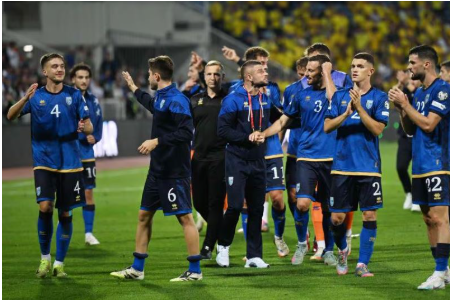
Against the backdrop of an increasingly complex international order, where emerging states face multiple challenges to legitimacy and visibility, the play-off match between Kosovo and Turkey, scheduled to take place on March 31 for the World Cup qualifiers in the United States, transcends the boundaries of a sporting event. It emerges as a silent but powerful text of public diplomacy, where sport is articulated as a refined form of international influence, a concrete manifestation of the concept of soft power.
In this plan, the playing field is no longer just a space of physical competition, but a symbolic arena where state aspirations are projected and the narrative of sovereignty is constructed. Through performance, discipline and ethics of the game, Kosovo aims to affirm itself as a credible political subject, transforming reputation into diplomatic capital. This is a form of international communication that does not rely on imposition, but on attraction; not on brute force, but on persuasion through example.
At the heart of this narrative is a generation of footballers who represent more than a national team; they are a symbolic body of an identity in the making. Raised and trained in Western academies and leagues, these athletes embody a new culture of professionalism, meritocracy and collective responsibility. They are the product of functional systems, where success is built on clear rules and high standards, but above all, they are evidence of an inextricable connection to origin.
This connection becomes a conscious act of representation: wearing the national jersey is not simply a sporting obligation, but a statement of identity. In the absence of direct state investment in their formation, their commitment takes on a moral dimension, proving that national identity is not a product of structures, but of consciousness. In this way, they build a bridge between the diaspora and the state, between individual experience and collective aspiration.
Në këtë kontekst, sportistët e Kosovës duhet të lexohen si bartës të një etike të re shtetformuese. Ata ofrojnë një model funksional të bashkimit përtej fragmentarizimit politik dhe social. Në lojën e tyre, individualiteti nuk zhduket, por vihet në funksion të kolektivit; talenti nuk absolutizohet, por harmonizohet me disiplinën; suksesi nuk është rastësi, por rezultat i një vizioni të përbashkët. Kjo është pikërisht ajo që shpesh mungon në praktikën politike: koherenca midis qëllimit dhe veprimit.
Prandaj, dimensioni normativ i kësaj analize është i qartë dhe i pashmangshëm: elitat politike të Kosovës duhet të reflektojnë mbi këtë model. Në një kohë kur ndarjet e brendshme dhe mungesa e meritokracisë shpesh e dobësojnë funksionalitetin institucional, përvoja e kësaj gjenerate sportive ofron një leksion të drejtpërdrejtë. Bashkimi rreth një objektivi të përbashkët, ndërtimi i besimit të ndërsjellë dhe funksionimi mbi baza profesionale janë parime që në sport prodhojnë fitore dhe që në politikë do të mund të prodhonin stabilitet dhe zhvillim.
Në një rrafsh më të gjerë analitik, kjo ndeshje hap edhe një reflektim mbi pozicionimin e Kosovës në atë që mund të quhet “tregu global i shteteve”. Në këtë hapësirë konkurruese, ku shtetet matin veten jo vetëm përmes fuqisë ekonomike, por edhe përmes reputacionit diplomatik dhe kapitalit kulturor, hyrja në “ligën e madhe” kërkon më shumë sesa ekzistencë formale. Kërkon performancë të qëndrueshme, standarde të larta dhe aftësi për të ndërtuar besueshmëri në kohë.
Analogjia me futbollin është këtu më shumë se metaforë: ashtu si një ekip që synon të kualifikohet në një kampionat botëror, edhe një shtet që synon integrimin ndërkombëtar duhet të përmbushë kritere të qarta dhe të dëshmojë konsistencë në veprim. Në këtë kuptim, gjenerata aktuale e futbollistëve të Kosovës përfaqëson pikërisht këtë potencial: një kombinim të profesionalizmit, disiplinës dhe aftësisë për të konkurruar në mënyrë të barabartë me aktorë më të konsoliduar.
Kjo trajektore nuk mund të kuptohet jashtë kontekstit historik dhe gjeopolitik që e ka formësuar Kosovën si subjekt politik. Roli i NATO’s dhe ndërhyrja vendimtare e Shteteteve të Bashkuara të Amerikës gjatë Luftës së Kosovës përbëjnë themelin mbi të cilin është ndërtuar liria dhe mundësia për afirmim ndërkombëtar. Nga një realitet i mbijetesës, Kosova ka kaluar në një fazë të re atë të konkurrencës, ku sfida nuk është më ekzistenca, por performanca.
Në përmbyllje, kjo analizë synon të artikulojë një tezë të qartë: sporti, dhe në veçanti futbolli, duhet të lexohet si një mekanizëm kompleks i ndërtimit të identitetit dhe i promovimit të interesit shtetëror. Nga fushat e konfliktit të shekullit XX te stadiumet e shekullit XXI, rrëfimi i Kosovës ka kaluar nga tragjedia në afirmim, nga izolimi në përfaqësim. Sot, përmes këtyre sportistëve, ajo artikulon një gjuhë universal, gjuhën e meritës, profesionalizmit dhe dinjitetit.
This language is not just for the international public; it is a silent call to the political elite itself. Because if the state wants to be stable, dignified, and competitive on the global stage, it must learn from those who, quietly and with dedication, are already representing it in the best possible way.


Lini një Përgjigje