


 Shkruar nga Ylli Pata
It should be the opposition that creates chemistry with the public, not the other way around...
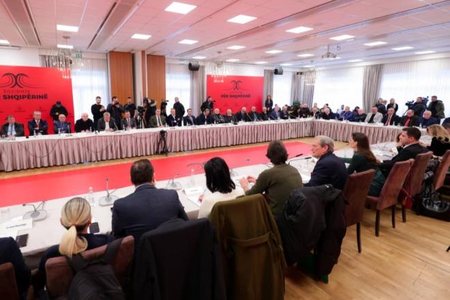
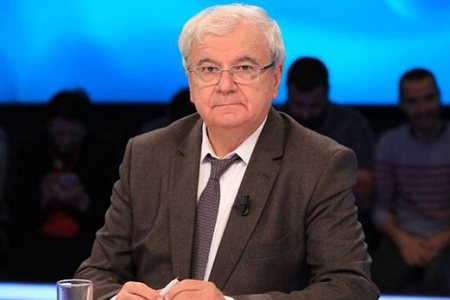
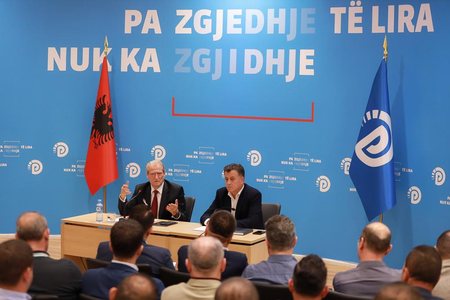
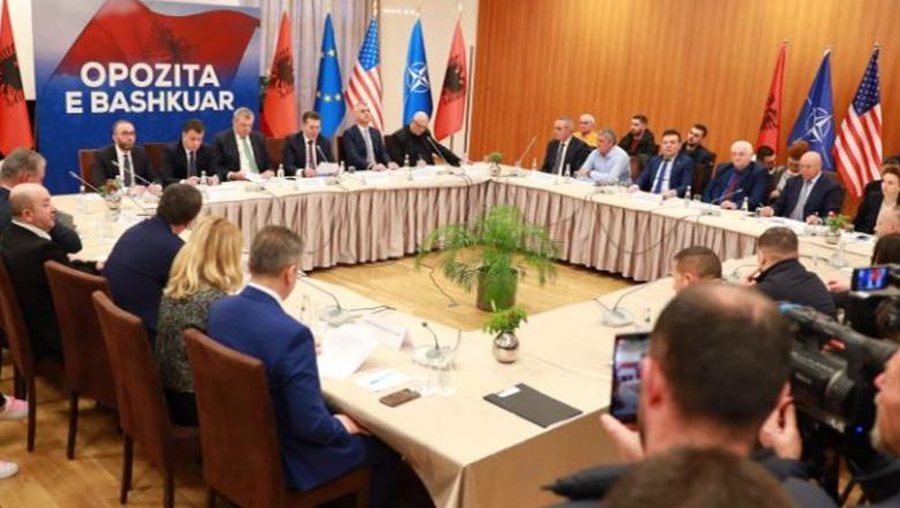
Sali Berisha's expanded opposition assembly today had the parodic aspect of gathering sympathetic characters at the "table" as its only charm. Although the presence of names such as Professor Jenisheri or Kujtim Gjuzi may be criticized by the qibars, the fact is that they do not spoil the work of an opposition with the color of a comic-theatrical ensemble.
Often, in boring and classic environments of politics, the revival of picturesque groups that are ultimately a reflection of their world that is also ours, this presence is also a blessing.
What really suffers the most is not just the opposition, but our political environment, the revival of grimaces all over the nose and lips, fake moralists who feed on the most corrupt and criminal dens of politics, and above all polarization and hate speech, which have become a problem not only for the opposition, they have become a problem for society.
The creation of a parallel reality of facts, the extreme separation of people by creating impassable trenches has meant that our politics does not communicate with the public, but simply fights in its own trenches, leaving both society and the public in general uninterested and indifferent. This distance is perhaps reduced on election day when a part goes to vote, and in many cases does not go at all. And today we have an electoral body composed of almost 80% of its sympathizers of political parties.
In this atmosphere, from the opposition, which not only needs to prepare to be a political alternative, we have great frustration in communicating with societal actors, but also beyond.
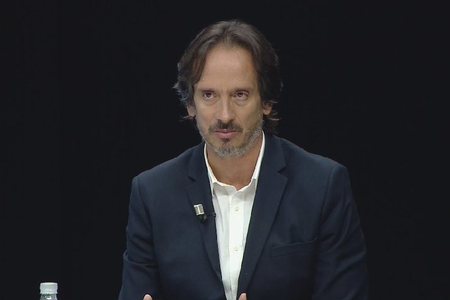
This frustration was clearly seen in the declamation of the opposition candidate for the municipality of Tirana, who until yesterday considered himself part of civil society, while today he reluctantly demanded a unity or alignment of all opposition actors, otherwise they would no longer cry.
This request for love by force, or out of desperation, is very similar to Sali Berisha's desperate call to citizens to protest with him and overthrow Edi Rama, otherwise "darker days will come."
A threat, so we won't name it, but it's basically a bunch of nonsense. It should be the opposition that creates chemistry with the public, not the other way around.
And this chemistry is not created with anger and threats, but by talking and creating a real relationship. A real relationship, by having a real dialogue, and not by imposing agendas that are rushed out, as a result of the daily troubles that the Berisha family's frustration brings.
The Democratic Party, in the years 2004-2005, which also had Berisha inside, but also Kujtim Gjuzi and his friends at the tables, nevertheless managed to enter into normal communication with the public, even with a significant part of the left - namely the Socialist Party. With whom it made alliances, elected presidents and chief prosecutors, and had lunch and coffee with journalists and media people from the entire spectrum. It was this climate that gave it an opportunity to govern, even though it did not manage to triumph politically. It was the abandonment of the insults and bullying in the corridors of the DP by the strongmen on the first floor of the old headquarters for reporters, as those environments had turned into horror and annoyance for many journalists. Therefore, even the major media in the country, the DP reporters were chosen by the partisan and paramilitary organs of the Bershi press. But this experience did good to the media and to society, and also to many journalists who became truly excellent chroniclers of right-wing politics. Bringing out the best in them, because in reality they were not given that opportunity by the paramilitary forces. This also did good to the rest of society and the media, often close to the left, which made them communicate more humanely with their colleagues and the opposition's opinion.
And in the 2005 victory, the contribution of this considerable group of journalists and commentators who came from the opposition environment is quite important. In other words, a broad and complex process of circumstances and atmosphere was created and activated, which created the right chemistry of the opposition with the public.
This was not and will not be done with violence, nor with swearing like in dinner parties. Where the paramilitaries in turn curse and anathematize anyone they call "Rama's man."
The "incident" with Ylli Manjani, where a journalist from this media outlet asked him to forcibly attack the "drawing teacher", is not a coincidence at all. It is precisely this phenomenon of anger and resentment towards the rest of the world.
The search for love without mercy, otherwise don't cry, as the Tirana candidate asked, has made the situation so tragic that in reality what calls itself the opposition speaks for itself. Permanent statistics show it, where over 70% of the public does not like its leadership. Meanwhile, the Prophets like Pilinçi, Jenisheri or even Gjuzi arouse more sympathy than the knights with the observed faces, who pretend to be really serious because they have fallen victim to the opposition's troubles.
Who use neither irony nor the metaphor of popular stylistics in the madness of the panels, but only curse and foam at the mouth. Well said Manjani, there are as many laxatives as you want to relieve tension before the show.


Lini një Përgjigje