


 Shkruar nga *Harold James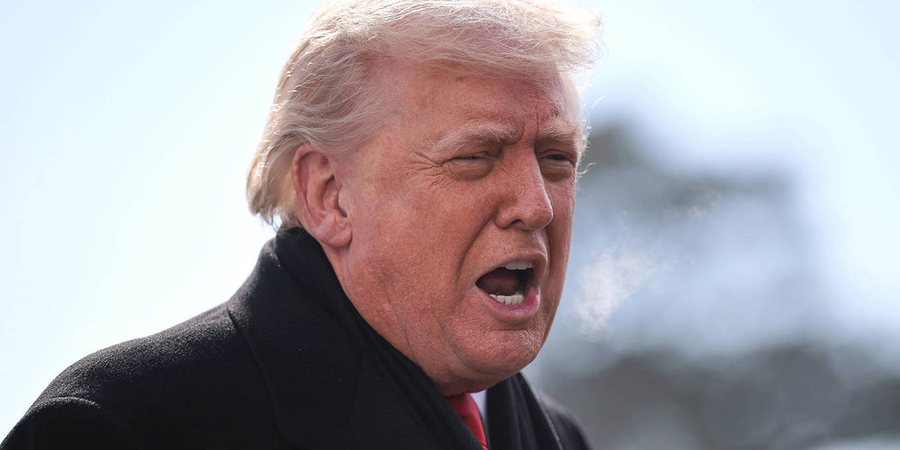
Donald Trump's bullying of allies and flawed arguments have set the US on a disastrous collision course, earning only rare applause, especially from the likes of Vladimir Putin. The rest of the world is reorienting itself away from the United States, embarking on a steady run for the lifeboats that will carry them together to land...
Recent political developments in the United States have exposed a fundamental American weakness. Following President Donald Trump’s threats against Greenland, US Vice President JD Vance inadvertently admitted a bitter truth during an appearance at a shipping industry facility in Toledo, Ohio. Touting a supposed “great American comeback,” he blamed former President Joe Biden’s administration for a growing affordability crisis and then hastily said: “The Titanic doesn’t come back overnight.”
Of course, the Titanic never turned back. But if the US is destined to hit an iceberg and sink, the impending disaster would come from faulty reasoning and a misinterpretation of history.
For Trump and other U.S. tariff traders, the primary precedents are the 19th century, when America was protected by high protectionist walls, and the 1930s, after the Great Depression. The lesson they draw from these periods is that countries with a large market can use access to it to extract concessions from their trading partners. Such is Trump’s instinct when he makes wild threats of 200% tariffs on French wine, or 100% tariffs on all Canadian goods.
But that reasoning breaks down when it comes to critical strategic goods, think semiconductors, rare earth metals, and hydrocarbons. The geoeconomic conflicts of the 2020s are largely about supply issues, which are not best addressed by imposing higher taxes on imports. A 100% tariff on goods from Canada would really hurt Canadian manufacturers, but it would also have a devastating impact on Michigan and Illinois, whose industries need Canadian components and parts.
Trump sees tariffs not just through a trade policy lens, but also through a highly political and emotional lens. He is driven by his internal audience and his psychological demons to unleash a constant stream of insults, and this makes the negotiation a disaster because the basis for any possible deal is always undermined.
Merrni parasysh humbjen më të dukshme dhe të turpshme të Trump deri më tani. Një konsensus dypartiak e kishte përcaktuar sfidën e paraqitur nga Kina si shqetësimin kryesor të politikës së jashtme të Amerikës. Por Trump humbi betejën me Presidentin Kinez Xi Jinping, sepse duket se nuk e ka kuptuar se Kina furnizon më shumë sesa vetëm tekstile dhe lodra. Ajo është gjithashtu burimi kryesor i mallrave të tilla si metalet e rralla të përdorura në elektronikë, gjysmëpërçues dhe teknologjinë e bashkimit - të gjithë sektorë industrialë me zhvillim të shpejtë dhe strategjikisht kritikë.
A mund të funksionojnë ende kërcënimet me tarifa kundër vendeve ose tregjeve të tjera? Strategjia e Sigurisë Kombëtare e publikuar së fundmi nga administrata Trump përqendrohet më pak te kërcënimi nga Rusia dhe Kina sesa te sfida ideologjike që buron nga Evropa, e cila supozohet se po fton "fshirjen e qytetërimit". Me suficitin e saj të madh tregtar dypalësh kundrejt SHBA-së, a është Bashkimi Evropian i prekshëm ndaj një fushate tarifore Trumpiane?
Industritë evropiane janë sigurisht të dëshpëruara për tregje të huaja, dhe shpejtësia me të cilën Komisioni Evropian kapitulloi ndaj regjimit tarifor prej 15% të Trump vitin e kaluar dukej se sinjalizonte dobësi. Evropa dukej e cenueshme sepse nuk kishte asnjë ndikim të dukshëm ekuivalent me metalet e rralla të Kinës, dhe sepse është bërë vetëm më e varur nga gazi natyror i lëngshëm amerikan. Shumë nga eksportet më të dukshme të Evropës, nga automobilat gjermanë te verërat dhe shampanja francize, konsumohen vetëm nga amerikanët e pasur, jo nga votuesi tipik i MAGA-s. Zyrtarët e administratës Trump menduan se kishin një dorë të fortë.
Por BE-ja tani po e pohon veten dhe po eksploron opsionet e saj, të cilat përfshijnë Instrumentin Kundër-Shtrëngimit, "bazuka tregtare" e bllokut, i cili ofron një mekanizëm për vendosjen e shpejtë të një game të gjerë tarifash dhe kufizimesh tregtare, dhe masa që ndikojnë në të drejtat e pronësisë intelektuale dhe investimet e huaja direkte. Evropianët po identifikojnë gjithashtu pikat e presionit nga SHBA-ja.
Për shembull, grupi më i rëndësishëm i eksportit nga BE-ja janë produktet farmaceutike, të cilat përbënin rreth 140 miliardë dollarë në vitin 2024, ose mbi një të katërtën e totalit të eksporteve të BE-së në SHBA. Këto përfshijnë ilaçet transformuese për humbje peshe GLP-1, përbërësit aktivë të të cilave vijnë nga Qarku Cork, Irlandë. Një tjetër mundësi është të aplikohen taksa për investimet e evropianëve në SHBA, gjë që do ta bënte më të kushtueshme financimin e huamarrjes amerikane, përfshirë borxhin e lëshuar për të mbuluar deficitin federal të SHBA-së.
Gatishmëria e evropianëve për të vendosur masa të tilla të ashpra, dhe për të investuar shumë më tepër në mbrojtjen dhe sigurinë e brendshme, është rritur nga gabimet retorike të administratës Trump.
Trump's suggestion that European allies had not contributed to NATO's commitments (that they were "just off the front lines" in Afghanistan) rightly provoked outrage. The actual figures - 44 Danish soldiers killed in Afghanistan, as well as 457 British, 150 Canadian and 90 French - quickly became a devastating indictment of Trump.
It is the behavior of Trump and his top advisers that has put the US on a course similar to that of the Titanic.
Globally, they are despised, winning applause only from the likes of Russian President Vladimir Putin.
As the mad captain lurches helplessly off the bridge, the rest of the world is making a steady run for the lifeboats that will carry them together to land. /Adapted from Project Syndicate /
Harold James, professor of history and international affairs at Princeton University, is the author, most recently, of the book Seven Crises: The Economic Crises That Shaped Globalization (Yale University Press, 2023).





Lini një Përgjigje