


 Shkruar nga Pamfleti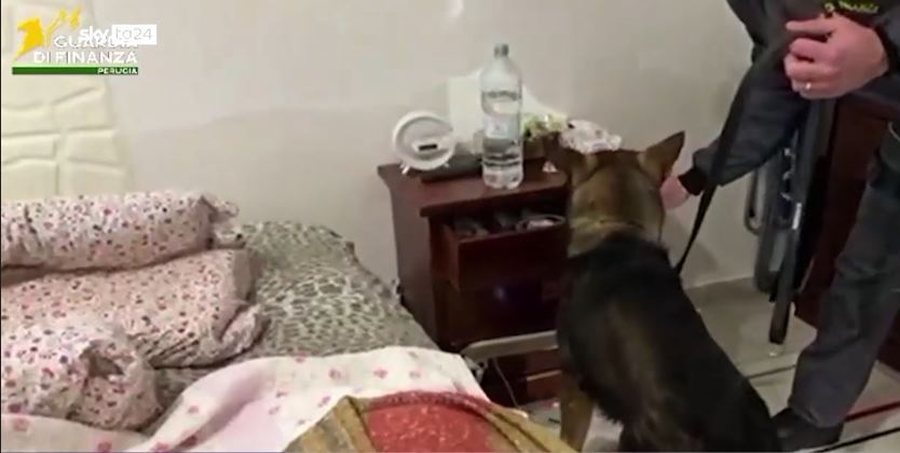
A large-scale anti-drug operation conducted by the Guardia di Finanza and the Perugia Prosecutor's Office has led to the dismantling of a suspected drug trafficking organization involving Albanians in the Umbria region.
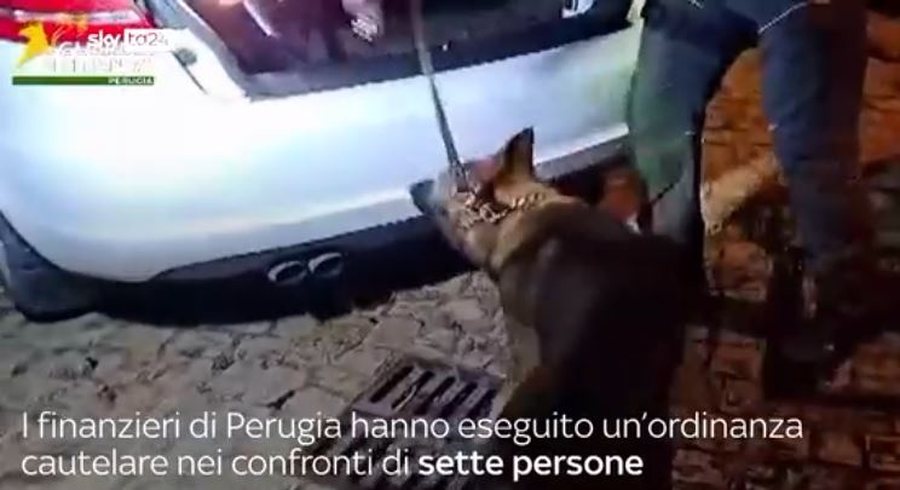
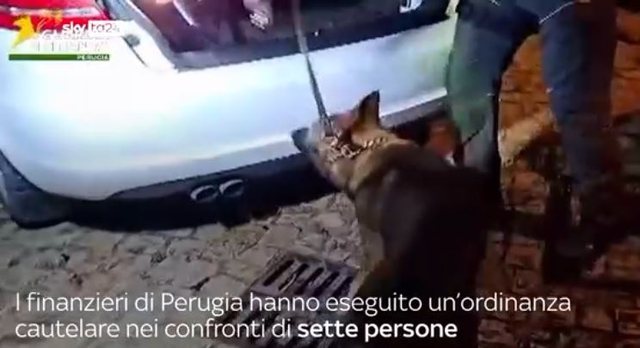
According to Italian authorities, seven people have been arrested, including five Albanians, while three others are wanted. Some of those arrested have been transferred to a local prison, one person has been placed under house arrest, while three suspects are being sought.
Investigators say the organization is suspected of being responsible for trafficking large quantities of cocaine, which, according to investigations, was mainly trafficked from Albania to Italy and distributed in the Umbria area. The drugs, according to authorities, were supplied to restaurants and nightclubs.
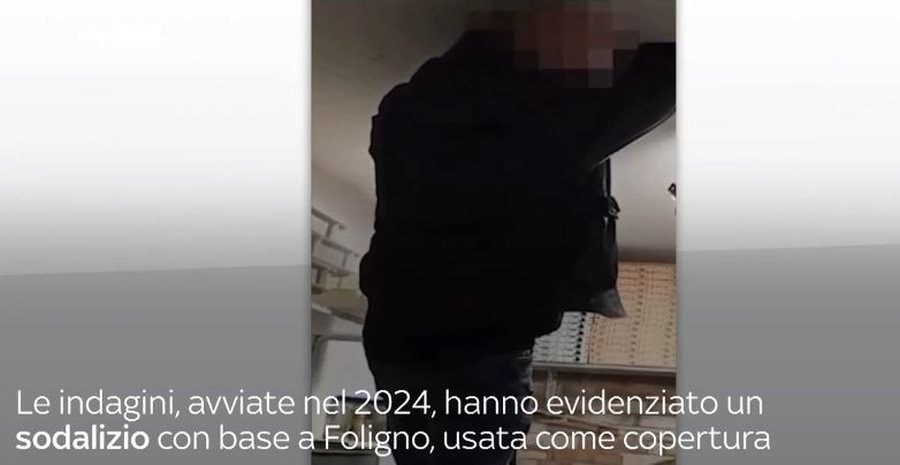
The group's decision-making center is suspected to have been the city of Foligno, while the existence of a wide network of buyers in several areas of northern and central Italy has been established.
According to the prosecution, the main promoter of the scheme was supported by his wife, who is a business partner with the owner of a restaurant in Foligno, as well as by two other associates, an Albanian and an Italian. The commercial activity of the restaurant is suspected of being used as a "facade" to mask the trafficking and to reinvest the proceeds obtained from the illegal activity.
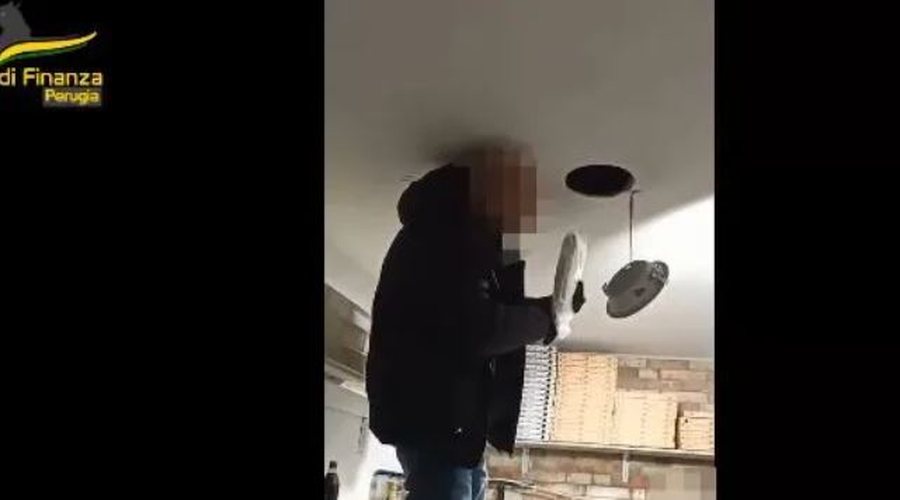
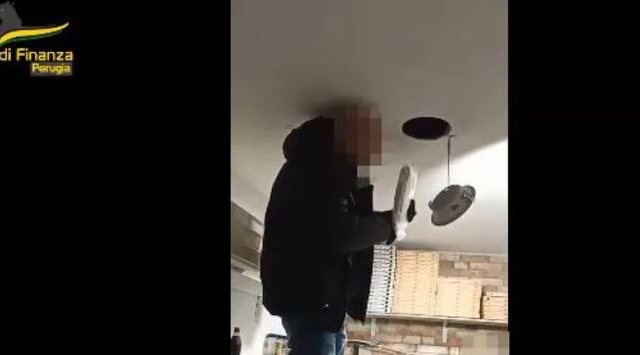
The operation comes a year after the arrest of Giampaolo Coresi, owner of a pizzeria in Foligno, who was caught with around 65 kilos of cocaine hidden in the restaurant premises, in a garage and in his apartment. The 47-year-old has now been summoned to appear in court, while investigators believe they have managed to reconstruct the entire trafficking network linked to this case.
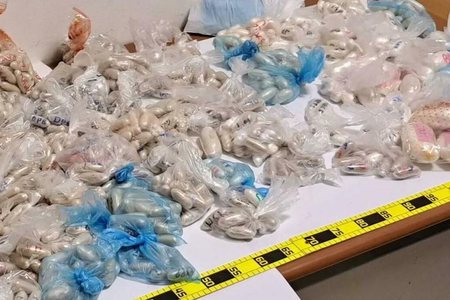
During the current investigation, over 50 suspected drug trafficking incidents have been documented. In total, according to Guardia di Finanza data, around 68 kilograms of cocaine have been seized, as well as two vehicles equipped with false bottoms for transporting drugs.
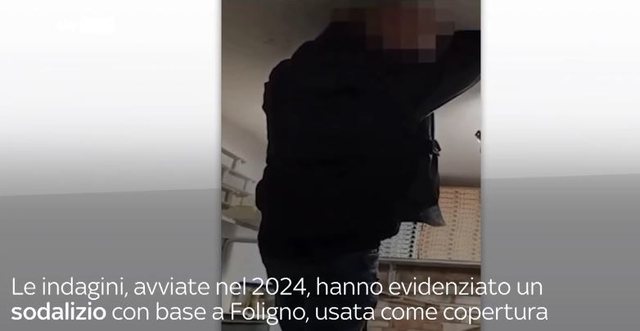
The investigation, launched in 2024 by the Economic-Financial Police Section (GICO), was conducted on the basis of the findings of another criminal case and included telephone interceptions, environmental monitoring and the use of satellite location systems.
According to authorities, suspected members of the organization used “cryptophones” – untraceable phone devices with servers located overseas and with remote control and wipe capabilities to avoid detection. They also used instant messaging apps such as FaceTime, Snapchat and Signal, hidden camera detection devices, high-tech radios and vehicles modified to hide narcotics.
Italian authorities emphasize that investigations are still ongoing, while the arrested persons are considered innocent until a final court decision.



Lini një Përgjigje