


 Shkruar nga Pamfleti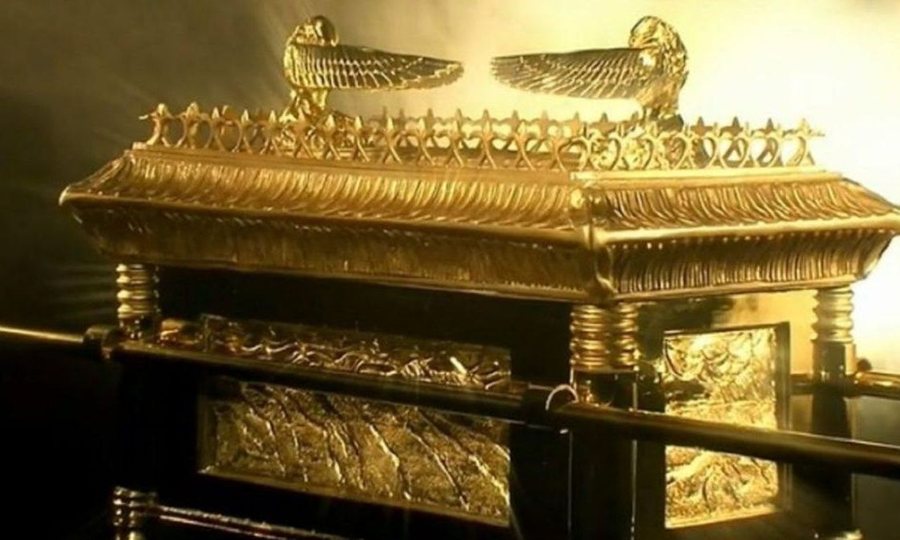
A stunning archaeological discovery in Israel has sparked a new wave of theories about the fate of the mysterious Ark of the Covenant, the sacred golden box that according to the Bible contained the Ten Commandments and symbolized the divine presence among the Israelites.
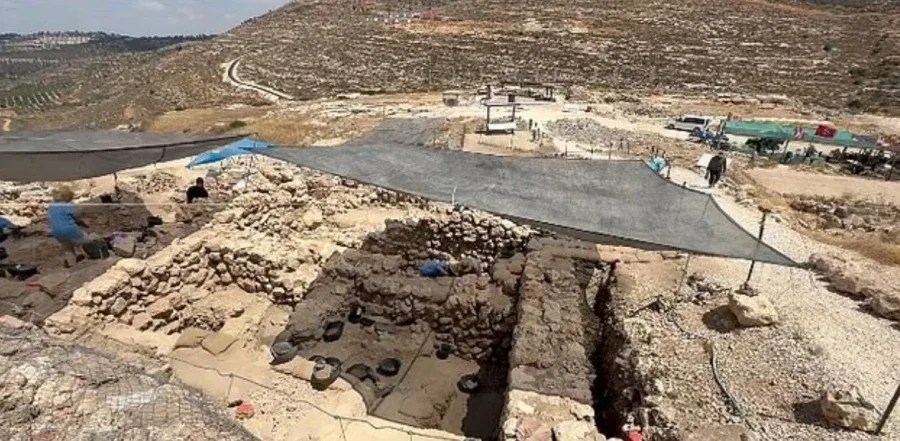
The team of archaeologists working at the biblical site of Tel Shiloh, in the central highlands of the ancient region of Ephraim, claim to have identified the remains of a stone structure that, according to them, matches the dimensions and structure of the Tabernacle.
"We have identified a monumental building from the Iron Age I period that perfectly matches the biblical specifications. It is oriented east-west and has an internal ratio of 2 to 1, characteristics that are precisely described in Exodus," says Dr. Scott Stripling, who is leading the team of archaeologists in the ongoing excavations.
The team also found more than 100,000 animal bones, mostly from sheep, goats and oxen, with a significant percentage coming from the animals' right sides. According to Leviticus 7, right sides were reserved for priestly offerings, which supports the theory of a cultic use of the space.
"These findings cannot be considered coincidence," Dr. Stripling told the Christian Broadcasting Network (CBN), adding "the evidence for ritual sacrifice is abundant and fully consistent with the biblical description."
Pottery found at the same site also dates to the same period, further strengthening the connection to the era of the Tabernacle, which according to the Old Testament was used for nearly four centuries until the Temple in Jerusalem was built by Solomon.
Shiloh: Israel's First Religious Capital
The ancient city of Shiloh held a prominent place in Israelite history, as it was the nation’s first permanent center of worship after the Exodus from Egypt. It was here that the Tabernacle was located and where Eli served as high priest, as mentioned in the book of 1 Samuel.
The biblical account describes a dramatic moment when the Israelites, at war with the Philistines, brought the Ark onto the battlefield in search of divine support, only to suffer a painful defeat. The Ark was captured, Eli’s sons were killed, and when the elderly high priest received the tragic news, he fell from his chair and died.
Dr. Stripling believes the recent discovery may correspond to the same city gate where Eli died, according to the biblical account.
The Holy of Holies and the presence of God
Inside the structure, archaeologists discovered a massive partition wall that divided the space into two sections, a structure reminiscent of the separation of the Holy from the Holy of Holies, as mentioned in the book of Exodus (chap. 26). There, according to tradition, the Ark was kept, considered the earthly dwelling place of the divine presence.
The eternal mystery of the Ark
The fate of the Ark of the Covenant remains one of the greatest mysteries of ancient history and biblical tradition. The last references to it in the Bible are lost before the destruction of Jerusalem by the Babylonians in 586 BC.
While the Ark itself remains missing, the discovery of the structure at Shiloh, combined with ritual finds, brings to light new evidence about the life, beliefs, and practices of the ancient Israelites and brings the search for the Bible's most sacred object back to the forefront.
Excavations at Tel Shiloh continue, with the scientific community following with particular interest any new discovery that may bring us closer to understanding a sacred site that marked the course of history and the faith of an entire people.







Lini një Përgjigje