


 Shkruar nga Ilir Çumani
From the Delvina of birth to the greatest stages of Albanian theater and cinema, she was marked as a symbol of a strong woman, an admirable resister and an actress who experienced every role with soul, through dramatic strength and the elegance of the grotesque. Today, her name is an immortal part of our national culture. Her art will never fade…
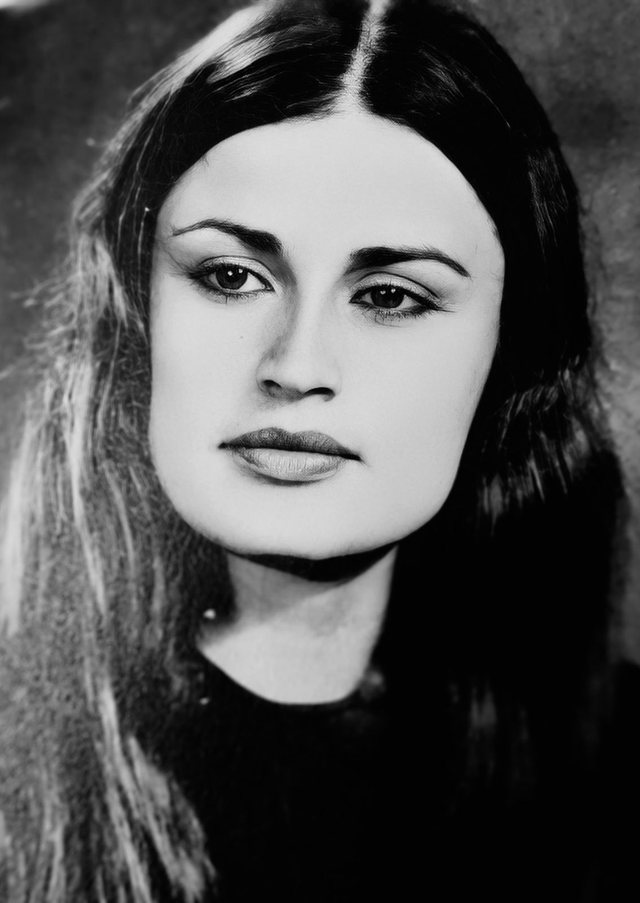
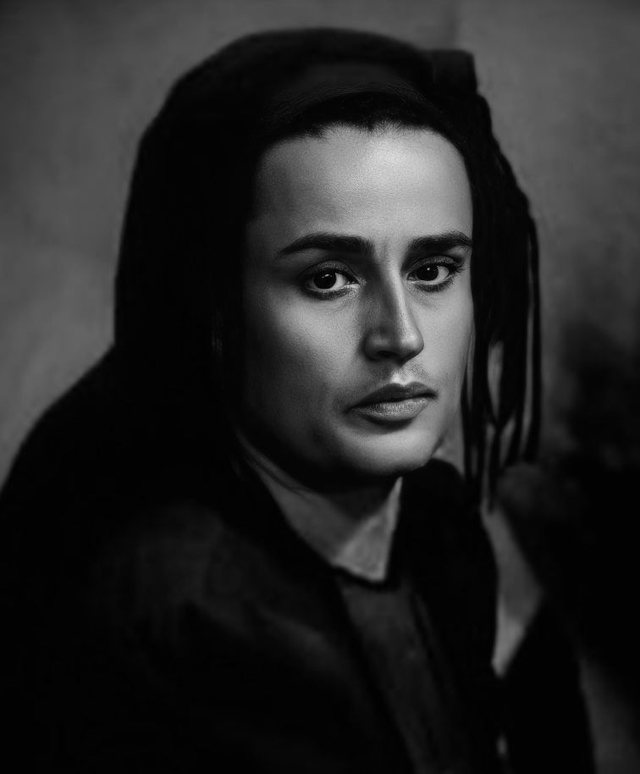
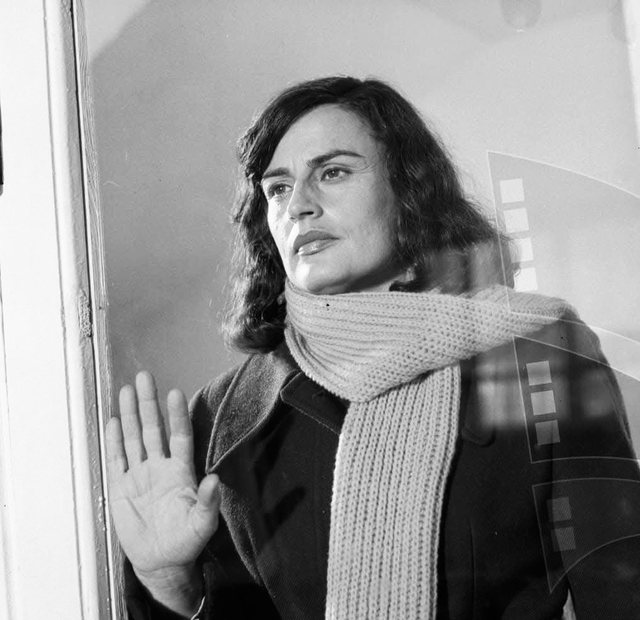
Today marks eight years since the passing of one of the greatest figures of Albanian stage and cinematographic art, the unforgettable actress Hajrie Rondo.
Her passing on September 9, 2017 was not a final departure for art lovers and endless admirers of her roles, but a new beginning for our collective memory.
Because there are people who never leave, even though they physically leave this world. They continue to live through memory in the hearts of people, in the soul of great art. And Hajrie Rondo is undoubtedly one of these indelible names.

Born in Delvina on March 1, 1951, Hajria came to life in a place where stone and history give weight to every word, where women are accustomed to carrying the burden of time on their shoulders, and that is where her roots as a strong woman lie.
Her studies at the Higher Institute of Arts (1969-1972) gave her the right wings to fly on stage, but her talent and dedication were the inexhaustible source that would transform her into an icon of the Albanian stage.

Immediately after her studies, she was appointed to the "Bylis" theater in Fier, where her first role - the hero's wife in Sulejman Pitarka's drama "The Heroes of Linas" - became the prelude to a whole life filled with art, pain, emotion and honor.
Hajria interpreted the character of strong, resilient, proud women from an early age, often silent, but with a rich and dramatic inner world.
She understood that the Albanian woman does not always speak with words, but also speaks with her heavy silence, with her eyes that sparkle, with her hands that remain folded, with the pain that is not shown, but is experienced to the bone.
Ruze's role in Teodor Laço's drama "The Prize of That Winter" (1976), which also brought her an award, is a clear example of her ability to give universal weight to a simple figure.
Equally powerful and beautifully realized was the role of Fatbardhë in Dritëro Agolli's "Balada për đe grua", where love was intertwined with moral dignity and intellectuality.
These were not simply artistic roles, they were fragments of the collective Albanian soul, materialized on stage.
Nëse dramat e saj ishin një pasqyrë e shpirtit shqiptar, rolet komike shpërfaqnin talentin e saj të përveçëm në një tjetër dimension edhe më të epërm të artit të saj: në aftësinë për të bërë humor me dhimbjen, për ta kthyer jetën e vështirë të grave shqiptare në një lojë groteske, ku qeshja përmes sarkazmës fine dhe inteligjente shoqërohej gjithmonë nga një dhembje e heshtur.

Në rolin e Likës te komedia “Sa mirë bëri që vdiq”, ajo solli një grua fshatare të papërpunuar, të vrazhdë, por të mençur në mënyrën e saj intuitive.
Në këto role spikaste plastika e saj, intonacionet dialektale, lojërat me gjuhën e trupit dhe aftësia për t’i dhënë çdo karakteri një jetë të vetën.
Te “Zi e më zi” e Kristo Floqit, me rolin e zonjës Galë, ajo shndërroi pikëllimin në hare, lotin në këngë, tragjiken në farsë.
Ky ishte arti i saj që na tregonte se jeta nuk është asnjëherë vetëm njëra anë – ajo është gjithmonë një përzierje e dritës dhe errësirës.
Edhe në kinematografi, Hajrie Rondo mbeti një zë i fuqishëm dhe me peshë domethënëse në lojën e saj të rafinuar e brilante.
Ajo ishte një aktore mjaft e lakmuar nga disa regjisorë me emër, si Dhimitër Anagnosti, Viktor Gjika, Vladimir Prifti, Saimir Kumbaro, Muharrem Fejzo, Rikard Ljarja, Albert Minga etj.

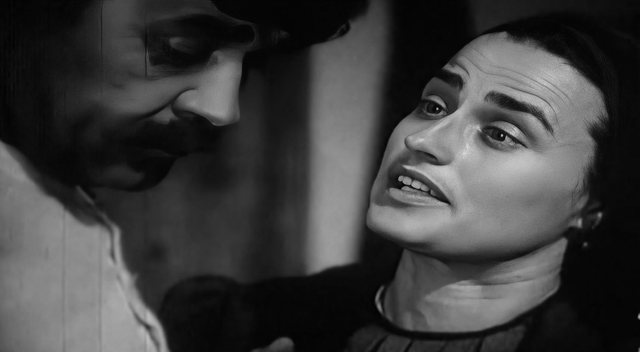
Tek filmi “Përrallë nga e kaluara”, roli i Tanës i dha asaj çmimin e parë dhe e ktheu në simbol të gruas shqiptare të kohës, një grua që përplaset mes paragjykimeve dhe dëshirës për të jetuar lirisht, mes xhelozisë qesharake dhe dhimbjes tragjike.
Ky rol është një nga gurët e çmuar të kinemasë shqiptare, zbuluar dhe ndërtuar bukur e mençurisht prej regjisorit Dhimitër Anagnosti, një pasqyrë e jetës dhe marrëdhënieve sociale të epokës.
Nga filmi “Agimet e Stinës së madhe” te “Një emër midis njerëzve”, apo “Nëntori i Dytë” dhe “Kush vdes në këmbë”, Hajria solli figura grash të thjeshta, por me peshë të madhe shpirtërore, duke i dhënë një vitalitet dhe jetësim të gjallë çdo karakteri që luante.
Ajo nuk ishte thjesht një aktore, por një njohëse dhe antropologe e thellë, e mençur dhe e heshtur e jetës rurale, që nëpërmjet rolit dokumentonte jetën e grave shqiptare ndër shekuj.
Personazhet e saj ishin gra që përballeshin me paragjykime, me presionin e shoqërisë patriarkale, me mungesën e lirive, por që gjithsesi ruanin një dinjitet të brendshëm, një krenari të pashuar.
Ato ishin nënat që rrisin fëmijë mes sakrificash, gratë që sfidojnë burrat me heshtjen e tyre, të dashurat që mbeten besnike deri në fund, fshataret e ashpra por të mençura, të gjitha të skalitura me art të madh.
Psikologjikisht, ajo ishte mjeshtre e detajeve: një pauzë e saj kishte peshë më shumë se një dialog i gjatë; një vështrim, një shikim zhbirues e shpotitës i saj hapte një botë të tërë; një gjest i vogël zbulonte dramën e brendshme të një personazhi.
She was an actress of powerful tragicomic dimensions and explosions who lived the role, not just played it.
Honored with the Golden Order "Naim Frashëri" (1988) and the Career Award (2007) for the monodrama "A Mother's Cry", Hajrie Rondo remains one of the figures who have elevated Albanian art to special heights.
She is not just a memory of the past, but a voice that continues to speak to us today, eight years after her departure.
On stage and in film, she was always a woman who did not give up, a figure who carried the pain of the times, but also the hope of the future.
In it we see the inner Albania – that Albania that cries and laughs, that suffers and endures, that is silent and speaks with dignity.
She is no longer among us physically, but she is in every memory, in every recorded scene, in every memory archived on celluloid or cinematographic film, in every female figure she gave life to.
She is part of our national consciousness and remains a spiritual monument to Albanian women in art.
For this reason, today, eight years after her separation, we do not only remember her as gone, but mostly as immortal...


Lini një Përgjigje