


 Shkruar nga Pamfleti
Who brought pluralism to Albania?
Tomorrow marks the 35th anniversary of the December 1990 Student Movement, an event that marked the greatest historical turning point for Albania after the dictatorship. Around 300 students marched from Student City to the center of Tirana, demanding pluralism, freedom of speech and democracy. But as the students sought a future, the regime immediately began working to control the movement.
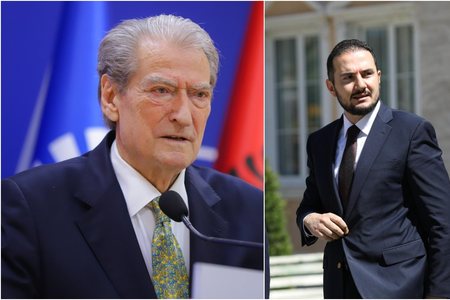
On December 9, student representatives presented their demands to the then president, Ramiz Alia, and on December 11, after a closed-door meeting, political pluralism was declared and the way was opened for the establishment of the Democratic Party. But at this moment, the manipulation began: instead of the students, Sali Berisha took the stage.
All the evidence, including that of Servet Pëllumbi, Ilir Demalia, Skënder Gjinushi and even Ramiz Alia himself, shows that Berisha was not the inspirer of the Movement, but the product of underground agreements with the ALP. In fact, Alia himself had given the order for Sigurimi agents and collaborators to infiltrate the embryonic PD.
In the book “The Overthrow of Communism,” Servet Pëllumbi quotes Ramiz Alina instructing the first secretaries of the Albanian People’s Party to activate Sigurimi collaborators to join the Democratic Party. The objective was clear: to control the “new party” that was just emerging, and for this, people like Sali Berisha were seen as the perfect solution.
Ilir Demalia, one of the earliest voices of the protest, has openly declared that Berisha was a missionary of the Party of Labor, a man who hijacked the pure student protest and turned it into a springboard for his political career. Meanwhile, Skënder Gjinushi has confessed that it was Ramiz Alia himself who instructed him to go to the students “together with Sali Berisha,” who was waiting at the offices of the Party Committee.
Likewise, Xhelil Gjoni, former First Secretary of the Albanian People's Party for Tirana, publicly admits that the founders of the Democratic Party came to his office for consultations, and that the "instructions given" by the old structure were implemented meticulously. According to him, problems arose only when free students like Azem Hajdari broke outside the official line.
The greatest irony? Berisha himself, in his first speeches, publicly thanked Ramiz Ali for his wisdom and courage in “democratizing Albania.” His words are recorded, and today, 35 years later, he still tries to sell himself as the founder of democracy.
Meanwhile, today's DP is empty, without any of the names that started that battle. Some have passed away, others are forgotten or excluded, while many of them were expelled precisely by Berisha. The Democratic Party today has turned into a bunker of the past, with no connection to the ideals of the students of December. / Pamphlet

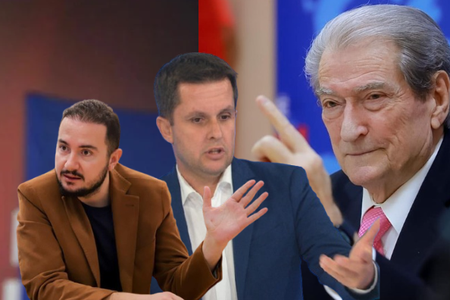


8 Dhjetori 1990 mbetet një nga momentet më të rëndësishme të historisë së Shqipërisë moderne: dita kur protestat studentore në Qytetin “Studenti” sinjalizuan fundin e regjimit komunist dhe nisjen e tranzicionit demokratik. Prej vitit 2009 kjo datë është shpallur "Dita Kombëtare e Rinisë", në nder të atyre studentëve që me guxim dhe paqësisht kërkuan pluralizëm, liri dhe të drejta themelore. Historikisht, protestat studentore u paraqitën si akt i pastër rebelimi kundër regjimit. Megjithatë, me kalimin e viteve, është shfaqur një linjë interpretuese sipas së cilës udhëheqja e atëhershme komuniste (nën Ramiz Alinë) kërkoi një “rënie të butë” për të shmangur dhunën dhe për të ruajtur ndikimin e elitave të vjetra në sistemin e ri. Ky është një interpretim politik i përhapur gjatë tranzicionit, sidomos kur vërehet se shumë figura të rëndësishme të pas ‘90-s kishin lidhje me strukturat e mëparshme shtetërore. Fakti që Sali Berisha falënderoi publikisht Ramiz Alinë në Qytetin Studenti është përdorur nga kritikët si simbol i një tranzicioni të kontrolluar, jo rrënjësor. Megjithatë, historia e asaj kohe përfshin edhe presione reale nga studentët, krizat ekonomike, ndikimin e Europës Lindore dhe rrëzimi domino i regjimeve komuniste. Pra, ngjarjet e dhjetorit ishin një kombinim i revoltës së rinisë dhe dinamikave të brendshme të pushtetit. Një nga kritikat më të forta për 35 vitet e demokracisë është se elita politike nuk ndryshoi realisht: shumë prej aktorëve politikë të periudhës post-komuniste kanë qenë ish-funksionarë, ish-sigurimsa, ish-komunistë të konvertuar në demokratë apo socialistë progresistë. Kjo trashëgimi ka ndikuar që tranzicioni të mos ndërpriste kulturën e vjetër politike të centralizimit të pushtetit, klientelizmit, mungesës së meritokracisë dhe kontrollit partiak mbi institucionet.
Të gjithë drejtuesit kryesor të shtetit pas 1990 dhe një pjesë e përfaqësisë studentore ishin misionarë të Ramiz Alisë, rrjedhimisht të Partisë Punës . Po Ramiz Alia misionar i kujt ishte? Besoj i rusëve.
apo i serbeve ;)
Ok e gjitha kjo qe shkruani e qe dime tanime te gjithe,po si ka munsi qe edhe pas 35 vjetesh akoma edhe i vetem pothuajse ky monster i perzgjedhur nga fundrrinat e atij regjimi,vazhdon mision antishqiptare,kjo nuk na falet ne si popull,per kete besoj na ka nem dhe zoti qe akoma svdes ky bire shkine.
misionar i ramizit
Vajta edhe unë atëhere, të futesha në grevën e urisë të studentëve në kino teatrin e Qytetit "Studenti"! Më thanë që futeshe vetëm me listë,dhe aty nuk e kisha emrin....