


 Shkruar nga Pamfleti
The Commission will have an 8+8 formula and will be led by two co-chairs with veto power. Its creation is expected to be formalized at the plenary session on October 30.
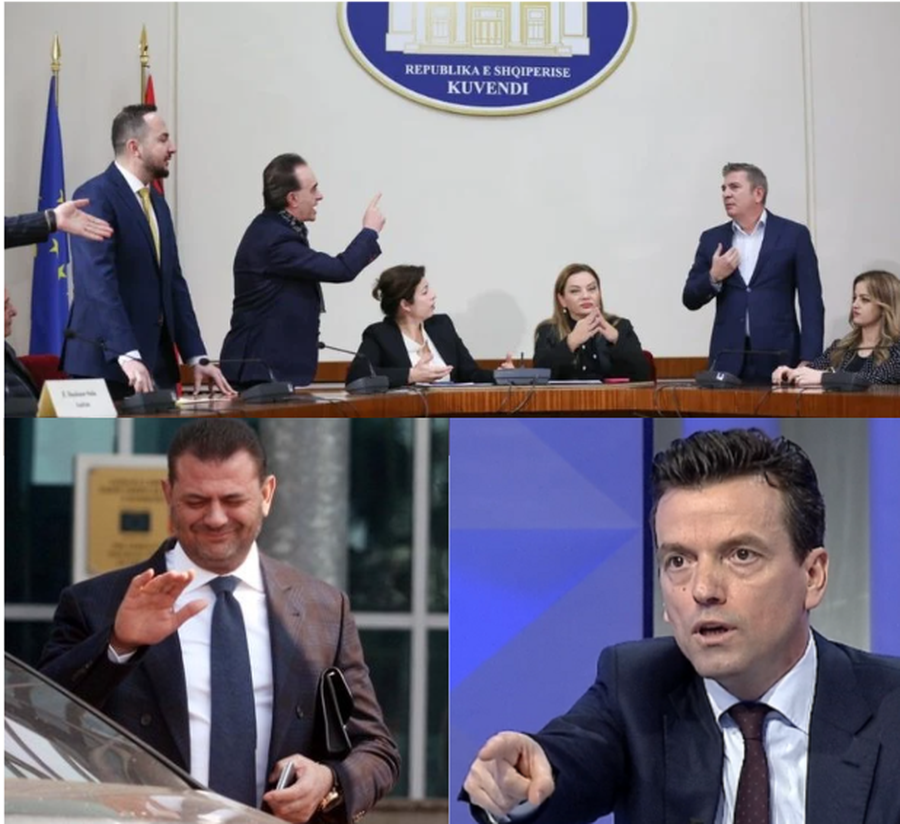
The opposition and the majority have reached an agreement on the composition of the commission that will lead the electoral reform, an agreement that aims to satisfy the main political parties, but also to guarantee representation for small parties.
According to the agreement reached, the Socialist Party will retain seven out of eight seats belonging to the majority, while one seat will be left available to Tom Doshi's Social Democratic Party.
Tom Doshi had become a "bone of contention" for the commission. The SP wanted a seat on the opposition side for the PSD, but the DP refused, saying that Tom Doshi had historically voted for Rama and this was not real equality.
Thus, the PS has taken a step back and out of the 8 seats that correspond to it in the commission, it will keep only 7 seats and reserve 1 seat for Tom Doshi's PSD. Meanwhile, the DP will also make a sacrifice, which will divide its seats: 5 PD, 1 PR, 1 PL and 1 Agron Shehaj.
The Commission will have an 8+8 formula and will be led by two co-chairs with veto power. Its creation is expected to be formalized at the plenary session on October 30.
How the Electoral Reform Commission is expected to function
According to the proposal by the Socialist Party, the Electoral Reform Commission will consist of 16 members, with an equal split: 8 representatives from the Socialist Party and 8 from the opposition parties. The Commission will be led by two co-chairs, one from the Socialist Party and one from the Democratic Party, guaranteeing a political balance in leadership and decision-making.
This committee has the following duties:
-Drafting legal amendments for electoral reform
-Addressing OSCE/ODIHR recommendations for the May 14, 2023 and previous elections
-Preparation for the expected report on the elections of May 11, 2025
-Drafting the law on financing political parties
-A group of technical experts will be established next to the commission, while the OSCE, the Council of Europe, the Venice Commission, the EU and the US will be invited to provide assistance and expertise.
The Electoral Reform Commission will operate for a period of 9 months from the moment of approval, with the possibility of extension if requested by the co-chairs. Decision-making will aim for broad consensus and any decision will be considered approved only if it has the support of both co-chairs.


Lini një Përgjigje