


 Shkruar nga Pamfleti
The lack of an effective opposition in Albania has contributed to weak governance and endemic corruption...
Relations between the United States and Albania, both NATO members, are not on Washington's list of concerns. Regardless of whether the next administration will be Republican or Democratic, the preference will be to keep the ratios the same. However, it may become increasingly difficult for Washington to remain indifferent to the domestic situation in Albania, especially given its controversial position along a critical alliance border.
The Western Balkans is seen as a potentially unstable region within the transatlantic community. While Albania is seen as an anchor of foreign policy stability, developments within the country may have regional consequences. As such, a reset in US-Albania relations seems unlikely, but factors including corruption, crime and recent protests may prompt Washington to reassess relations.
NATO's strategic interests
Albania is a small country, but, as a member of NATO, of strategic importance to the USA. The nation has pledged to achieve defense spending of a minimum of 2 percent of gross domestic product (GDP) by 2024 — a goal expected to be appreciated by future US administrations, whether Republican or Democratic. Albania has shown strong support for Ukraine, condemned Russian aggression, and maintains friendly relations with Israel, all positions that align well with American policy interests. Tirana has also supported Washington during Albania's last term in the United Nations Security Council (2022-2023).
Strategically, Albania's importance lies in its perceived role in ensuring the stability of the Western Balkans. As Beijing seeks to challenge Western dominance in the first and second Pacific island chains while isolating US allies, it is becoming increasingly clear that the US will need to strengthen its security assets in Indochina. - The Pacific, reducing its resources and keeping its attention away from the Balkans.
Greater attention to Asia is unlikely to come from a direct pivot, but rather as a side effect of ensuring stability in other key regions, particularly Europe and the Middle East. However, in addition to the ongoing war in Ukraine and Iran-fueled conflicts in the Middle East, NATO's eastern flank faces significant weaknesses, with the Western Balkans being the main concern.
The US aims to minimize disruptive influences from China and Russia in the region, thus providing a protected eastern front for NATO. The last thing the US wants is for the Western Balkans to become a flashpoint that outside powers or regional actors can exploit, leading to chaos behind NATO's border. This concern has continued in many US administrations since the presidency of Bill Clinton (1993-2001).
However, the situation in the Western Balkans remains uncertain, with unresolved tensions from the 1991-1999 conflicts and genocide still lingering. Much of the region lies outside the stabilizing sphere of NATO and the European Union, with Croatia being the only country that is a member of both. Although Albania has been a formal candidate for the EU since 2014, its prospects of joining any time soon appear dim.
Similarly, North Macedonia and Montenegro are members of NATO, but not part of the EU. In contrast, Serbia, Kosovo and Bosnia-Herzegovina remain outside NATO and the EU, making them prime targets for Russian and Chinese influence campaigns that are likely to continue.
Albania as an anchor
Tirana has generally maintained positive relations with neighboring capitals and seeks to be perceived as a gateway to the Balkans. Albania is widely seen by others as trustworthy, despite its problems with organized crime. Encouragingly, the nation of less than 3 million people has recorded steady post-Covid economic growth in the 3-4 percent range, alongside moderate inflation and rising wages.
In February 2024, US Secretary of State Antony Blinken visited Tirana. In a press conference with the Albanian Prime Minister Edi Rama, Mr. Blinken stated: "We cannot repeat what we saw and what many people experienced in the 1990s, which is why we are committed to supporting all efforts to advance the integration of the countries in the Western Balkans with each other and with Europe".
Red flags and Balkan puzzles
However, there are two important causes for concern – known at home and abroad. Despite the increase in GDP, Albania has lost about a third of its population. While the birth rate is falling there, as everywhere in Europe and around the world, the main cause of the population decline in Albania is the emigration of young people. This exodus raises the question: What then accounts for the strong economic growth?
Sektori i turizmit në vend është zgjeruar ndjeshëm, me mbi 10 milionë turistë të regjistruar në vitin 2023. Megjithatë, aktiviteti kriminal ndërkombëtar, duke përfshirë trafikun e drogës, kontrabandën, krimin kibernetik dhe pastrimin e parave, mbetet një sfidë kryesore. Indeksi Global i Krimit të Organizuar raporton se “Shqipëria është vend burimi, tranziti dhe destinacioni për trafikimin e qenieve njerëzore”. Për më tepër, organizatat kriminale shqiptare kanë shtrirë shtrirjen e tyre globalisht, veçanërisht në Ekuador, që nga vitet 1990.
Pasuria e lidhur me krimin shtrembëron ekonominë dhe nxit korrupsionin. Në vitin 2023, Shqipëria shënoi vetëm 37 nga 100 pikë në Indeksin e Perceptimit të Korrupsionit të Transparency International, duke u renditur në vendin e 98 midis 180 vendeve të vlerësuara, në të njëjtin nivel me Bjellorusinë. Në të kundërt, Danimarka, homologia e Shqipërisë në NATO që është gjithashtu anëtare e BE-së, u konsiderua si vendi më pak i korruptuar, me një rezultat prej 90 pikësh. Ky korrupsion reflektohet edhe në rezultatin e ulët të Shqipërisë në Indeksin e Lirisë Ekonomike, i cili u ul me gjysmë pikë nga viti i kaluar, pavarësisht rritjes solide të PBB-së.
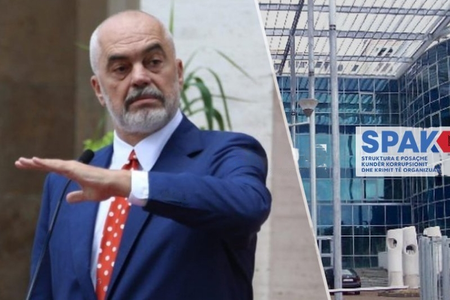
Shqetësimet për qeverisjen në Shqipëri po rriten pasi qeveria e qendrës së majtë minon opozitën politike. Reforma në drejtësi, e nisur rreth vitit 2014 me mbështetjen e BE-së dhe SHBA-së si pjesë e kandidaturës së Shqipërisë në BE, është një mjet kyç i shfrytëzuar nga Partia Socialiste në pushtet, e cila ka qenë në pushtet që nga viti 2013. Kritikët argumentojnë se këto reforma kërcënojnë në fakt pavarësinë e gjyqësorit dhe lehtësojnë konsolidimin e pushtetit të partisë në pushtet, duke i mundësuar asaj të shpërbëjë opozitën dhe të çojë përpara hegjemoninë politike dhe ekonomike.
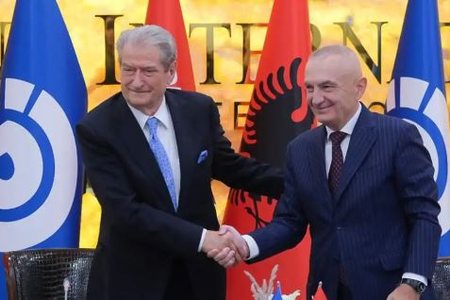
Konsolidimi i pushtetit nga socialistët përkoi me udhëheqjen e dobët nga Partia Demokratike e vendit, një organizatë konservatore e qendrës së djathtë që ishte partia qeverisëse nga 2005 deri në 2013. Ajo ka mbetur në opozitë për më shumë se një dekadë, pjesërisht për shkak të vendimeve të saj të dobëta si p.sh. si bojkotimi i zgjedhjeve në 2019 dhe lufta e brendshme politike që ka përkeqësuar dobësinë dhe ka larguar votuesit. Mungesa e një opozite efektive në Shqipëri ka kontribuar në qeverisjen e dobët dhe korrupsionin endemik.
Rënia e popullsisë së të rinjve reflekton pakënaqësinë me nivelet e mundësive ekonomike dhe lirisë politike në Shqipëri. Nëse këto kushte vazhdojnë, me mungesën e opozitës politike të besueshme dhe aktivitetit të gjerë kriminal, potenciali për destabilitet në vend është gjithmonë i pranishëm. Kjo mund ta kthejë perceptimin e Shqipërisë nga një spirancë stabiliteti në një vend shqetësues.
SKENARËT
There are several issues to watch that could derail US-Albania relations – regardless of the outcome of the US election next month. For example, different groups from opposing countries, or even from the US or Europe, may seek to shape Albania in their own image.
Possible: Opposition raises its voice, volatility increases
There is a growing challenge to the status quo for the rule of law in Albania. The government's Atlantic partners may find it increasingly difficult to circumvent this situation. As journalist Walter Mayr asked in Der Spiegel, "Are Europe's heads of government facing the wrong person?" - a reference to Albanian Prime Minister Edi Rama, who faces numerous accusations of corruption. The author questioned whether European leaders could continue to ignore growing accusations of authoritarianism and ongoing concerns about criminality in Albania.
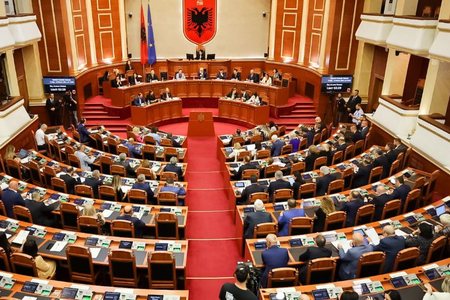
This fall, the opposition organized rallies, protested in parliament and called for an interim government to govern until elections next year. The stability of the current government is at risk and Albania's foreign policy may be revised if a change of leadership occurs.
Possible: The current government maintains power by appeasing the opposition
The current government has effectively navigated domestic affairs and foreign policy. In light of the calls for an interim government, there is the potential to create space for a legitimate opposition, fostering new economic and political freedoms that can provide alternatives for growth and political stability. However, the opposition will still need to present a credible alternative platform to force the Socialists to adopt a more inclusive agenda.
Most likely: The current government maintains the status quo for foreign partners
The most likely scenario is that the Albanian government stays the course, allowing a Republican or Democrat in the White House to count on Albania as a US partner. That outcome is not guaranteed, especially if new unrest breaks out in the Balkans or if a crippling scandal involving the current regime undermines its image as a stabilizing force in the Balkans. /Adapted "Pamphlet" from " GIS "




Lini një Përgjigje