


 Shkruar nga Diplomatico | Pamfleti.net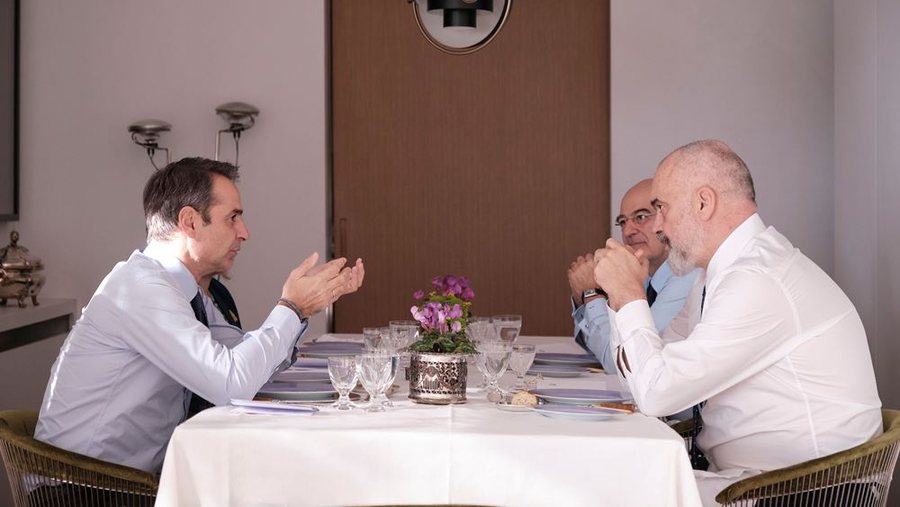
Under the guise of "technical advice", the request for Greek and Italian experts is seen as a political move to ease pressure on the government and reformat the balances in SPAK...
In Brussels, Edi Rama has requested that the changes in justice be consulted with Italian and Greek experts, but this initiative is seen more as political negotiation than as technical assistance. With Athens' influence in European structures and perceptions of its role in sensitive investigations, the request raises questions about the real purpose of the new reform. Instead of the expertise of the EU or countries with consolidated justice systems, the choice of Greece seems like a strategic move for political balance. The process, carried out in the dark, could produce profound consequences for the institutional balances and for Albania's relations with European partners.
Edi Rama has requested in Brussels that changes to the Code of Procedure, but also to the structure of justice, be made in consultation with Italian and Greek experts.
The Prime Minister has long articulated this package in meetings with European diplomats, but as it is learned, he officially presented it during an informal dinner with EU President Antonio Costa in the European capital.
In broad terms, the request constitutes a consultation, or engagement, of experts from the Italian and Greek governments, namely lawyers from these countries, to draft a justice system that aligns with EU standards.
However, this, more than a technical consultation by experts, seems like a political negotiation, especially with Greece, which Edi Rama sees as a factor that is getting stuck in his throat.
Athens' influence in European institutions, especially in relation to the Balkans, is very significant. This dates back to 2003, when at the Thessaloniki Summit, Greece was designated as the patron of the countries in the region seeking EU membership.
As a result, Greek influence in the International Monitoring Operation, and especially in agencies related to Albanian justice, is significant. Rama has even created the belief that some of SPAK's strongest investigations have had a Greek impetus, as a result of the clash with the Beleri case.
Under real siege, Edi Rama seems to be seeking a negotiation with Athens, hidden under the guise of “expert advice on justice reform.” A package that looks more like a political move than a technical consultation.
Essentially, it is about a political negotiation between governments, or more clearly, an attempt by Edi Rama to mitigate Greek pressure, given that Athens has significant influence in the justice structures.
Such negotiations, like any process of this kind, involve concessions for both sides. It is no secret that Athens' influence in the SPAK and GJKKO structures is perceived as solid. Diplomatic voices in Tirana say that even when powerful chancellors have requested the postponement of an issue, the interventions have been made through channels in the Greek capital.
This implies a negotiating table, where Edi Rama has acknowledged the weight of the Greek factor, seeking and offering conditions reciprocally.
Talks that, at least at this stage, are taking place in complete darkness. Why has the Albanian government not sought expert assistance from the EU bureaucracy in Brussels, or from countries with consolidated justice systems such as Germany, the Netherlands, Belgium or Luxembourg? Why has it oriented itself precisely towards two countries that do not have justice as their strongest point?
It seems clear that we are dealing with a movement with political gravity. The request for Italy and Greece aims to create a balance, but it is known that while Rome has no open contentious issues with Tirana, Athens does. And this is a lever that it will not leave unused.
How much will this cost Albania? In all likelihood, the pile of demands will grow. If the process continues to unfold in the dark, as it has begun, the outcome remains unclear.
There is no doubt that Athens has legal experts who could contribute to a new reform, but they do not know the Albanian reality that deeply. Albania has enough experts to address the existing impasses. The logic of Greek aid does not seem purely technical; suspicions of a “Trojan horse” are inevitable.
Edi Rama seems to be seeking a negotiation for himself, a move that could produce consequences greater than the current crisis. Perhaps even benefits, but when everything is taking place in the dark, it is difficult to expect a clear and positive result./ Pamphlet

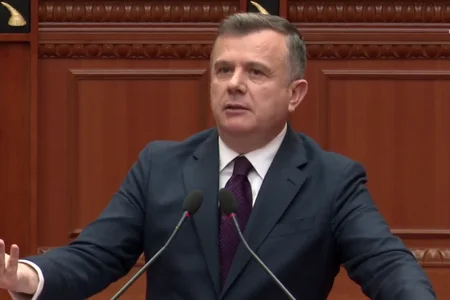



Në 2003 Kryeministër i Republikës së Shqipërisë ka qënë Fatos Nano. Në vitin 1998 konsulentë për Kushtetutën e vitit 1998 kanë qënë Grekët. Aktori Arben Imami dhe politikani Sabri Godo kanë qënë në Grupin e punës për hartimin e Kushtetutës. Greqia nuk do pranohej kurrë në BE, nëse do ishte sot aspirante për antarësim. Greqia me pretendime territoriale ndaj vëndit tonë, Greqia që tërheq për hunde qeveritë dhe ju dikton favore, do na këshillojë për reformën. Greqi! Merreni Belindën andej nga na e sollët me rrobat e trupit, por mos këshilloni mbrojtjen e Ballukut as mos kërkoni ta merrni prap, se sot është e ngarkuar me hejbe, përplot me euro. Po mbroni vetëm Ballukun apo me këtë rast mbroni edhe "Palloshin" tuaj që në 1990-1991 e thirrët në Korfuz që ti jepnit udhëzime dhe ti tregonit , 'hartën e karrierës' që duhet ta priste edhe fal jush.
Kujdes nga greket edhe kur bejne dhurata.
Si shpjegohet qe ky ishkryeministri RamaSaleh, vdes per pak fashizem. Ne itali eshte e fuqi ekstremi i djathte ndërsa ne greqi ekstremi i djathte wannabe?! Gjermania, Holanda dhe sidomos Franca kane ekspertize per te dhene. Askush tjeter ne Europe pasi te tjeret marrin ekspertize nga keto 3 vende. Demtimi i drejtesise antikorrupsion per te mbrojtur te korruptuarit, nuk do te lejohet nga Europa.
Përfundimisht, Rama është fort i dyshimt!
Rama eshte klloun qe vepron me porosi dhe ne llogari te Grekeve dhe Serbeve. Shikoni kabinetin qeveritar te gjithe jane grekofone ka vendosur njerin prej dibre atje qe eshte nje idiot minister. Te ma gezoni Rama plehren.