


 Shkruar nga Pamfleti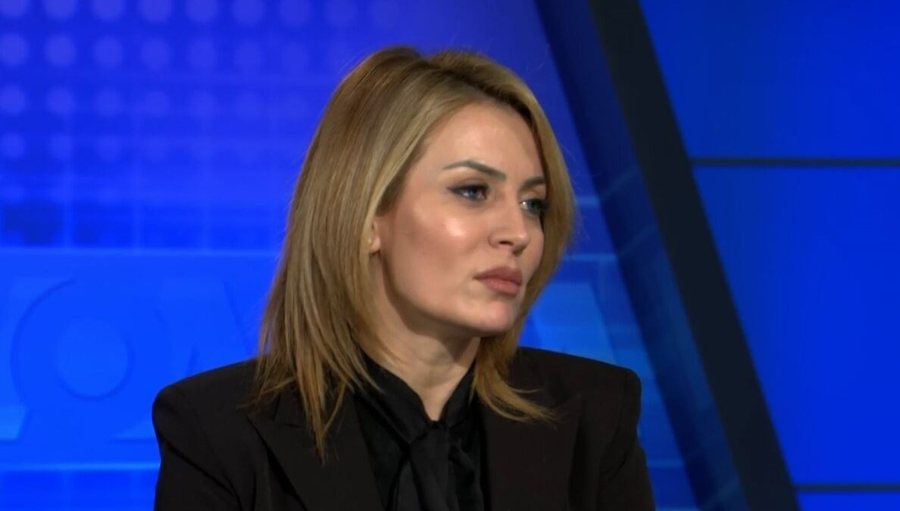
In Albania, the parliament has recently started work on reforming the electoral code, and the relevant commission, after many delays, has already started work, which has been interrupted from time to time due to clashes between the socialist majority and the opposition deputies regarding the composition of the the commission. Meanwhile, one of the deadlines has already been violated. In 2022, the Constitutional Court ruled in favor of the diaspora vote and tasked the Assembly to pass the relevant laws by January. The chairman of the Central Election Commission said at the end of last year that if the legal framework was not ready by January of this year, diaspora voting would be impossible for the 2025 elections. In an interview with the Voice of America, the Party deputy Socialist and member of the Electoral Reform Commission, Blerina Gjylameti, said that the definition of the methodology on the voting method of the diaspora cannot be a one-sided product, but accepted by all.
Voice of America: Ms. Gjylameti, the electoral reform commission has been blocked many times by the opposition, which demands the change of its members. Are you expected to consider their request and the commission to continue its work normally?
Blerina Gjylameti: There is an element that should be highlighted and clarified. Issues of a kind of internal problem of the Democratic Party cannot be issues of the Albanian parliament. Their representation continues to be. It is Mr. Aliebaj who was proposed by them, but meanwhile, on the other hand, the co-chairmanship does not mean a lack of representation of all political parties in the Electoral Reform Commission. If we look, the composition of that commission is from all political parties, and meanwhile, on the other hand, who is the leader, is chosen by them themselves.
Voice of America: It seems like the opposition has overcome this issue of co-chairmanship, asks members to change members.
Blerina Gjylameti: No, it requires change and co-chairing. But I believe that the essence does not lie there. The delay, almost a year and a half already, of the Electoral Reform Commission, while we should have sat down, addressed all the recommendations of the OSCE-ODIHR, in order to have better elections, better organized elections and also , free, honest and universally accepted, has been violated precisely by this kind of their internal impasse. Meanwhile, on the other hand, I believe that the first moment was positive, when we called, after a long time, to have the first meeting of the Electoral Reform Commission, it was unsuccessful, we had a second attempt to have a physical meeting , again it was unsuccessful and then we moved on to the online part. I believe, they will have to show political prudence, in order to solve between them, the problems or impasses they have, or even internal conflicts.
Voice of America: So there will be no reformation?
Blerina Gjylameti: The reformation is not from our side. They must propose their changes, agreeing, as the law and the regulation of the Assembly determines. In the regulation of the Assembly and also in the relevant law, it is stated that the political entities propose their representatives, which is not an issue in the Socialist Party. The Socialist Party has its co-chairman and the issue of the co-chairman is about having a universally accepted reform, so not unilateral, so the use of the veto to have a universally accepted reform has been and will remain, a kind of way to managed to get all parties to sit at the table, we have shown that as a Socialist Party we have always extended the hand of cooperation and to build bridges of communication even at the moment when in 2018 we had the burning of mandates, we found some kind of mechanism to make them too who were outside the parliament to have them at the electoral reform table, because it has been a tradition and it should be a tradition that the product of the Electoral Reform Commission be a product accepted by all parties. I believe that we will continue with what we started, hoping that they have resolved their conflict and we will have the opportunity to discuss the proposals of all parties in the reform commission.
Voice of America: The vote of the diaspora has been sought for a long time, but it seems that from the way the works are continuing and from the comments of the chairman of the Central Election Commission, it is at risk even in 2025. What is your opinion, will the diaspora be able to vote in 2025?
Blerina Gjylameti: Që në ndryshimet e 2021 është sanksionuar në Kodin Zgjedhor, vota e diasporës. Në anën tjetër, ajo çfarë kryetari i KQZ-së ka thënë dhe vijon të thotë dhe që është edhe në shqetësimet tona, ndaj dhe kemi tentuar që të ulemi në tryezë për të adresuar këtë problematikë, është metodoligjia apo mënyra se si do duhet të votojë diaspora. Në këtë aspekt, unë shpresoj, e thashë, që të ulemi në tryezë, të ngrihemi në nivelin e detyrës që ka gjithësecili prej nesh. Në fund ne jemi të zgjedhur mazhorancë, opozitë, apo kushdo qofshin për të kontribuar në atë komision, për të arritur që të adresojmë problematikat që lidhen me zgjedhjet. Shpresoj që ta kemi së shpejti, është shumë e rëndësishme që fund të zgjidhim edhe atë ngërç që ka të bëjë me mënyrën apo me metodologjinë e votimit të diasporës, për ta bërë të mundur që në zgjedhjet e ardhshme të jetë, por kjo është diçka që do duhet të jetë me një nxitim sepse koha nuk premton.
Zëri i Amerikës: Së shpejti kur? Sepse ndërkohë është shkelur një afat i Gjykatës Kushtetuese lidhur me këtë çështje, pse nuk keni avancuar si mazhorancë?
Blerina Gjylameti: Sepse sikundër e thashë do duhet të jetë një produkt i gjithëpranuar, duhet të gjithë palët, nuk mund të ketë një reformë e cila të jetë e njëanshme. Një reformë e njëanshme do të thotë një reformë e papranuar, një reformë e papranuar do të thotë të kontribuojmë prapë tek pjesa e humbjes së besimit që duhet të kenë qytetarët në atë lloj produkti që të gjitha palët politike dhe që duhet të tregojnë edhe dëshirën edhe vullnetin politik në tryezën e komisionit të reformës zgjedhore. Unë e besoj që së shpejti do duhet të kemi një produkt, se në fund ata presin, flas të gjithë qytetarët shqiptarë që kontrubuojnë në gjithë vendet e botës, për të patur mundësinë e tyre që ata të kontribuojnë edhe nëpërmjet votimit, për ata që do të jenë përfaqësuesit e tyre në parlamentin shqiptar.
Zëri i Amerikës: Partia Socialiste është akuzuar nga opozita se po vepron me arrogancë duke mos i pranuar asnjë kërkesë të saj, e kam fjalën këtu për 8 komisione hetimore. Arsyet e dhëna nga shumica kanë qenë nga më të ndryshmet dhe megjithatë është shumë e vështirë që të mendosh që asnjëra prej këtyre komisioneve nuk e ka patur objektin në përputhje me ligjin.
Blerina Gjylameti: Ka një element.Opozita ka pakëz memorien e shkurtër. Ndryshimet e qasjes së Partisë Socialiste përkunddrejt Partisë Demokratike kur secila palë ka qenë në pushtet janë komplet të ndryshme. Ata nuk kanë pranuar kurrë asnjëherë komisone hetimore të Partisë Socialiste, ne i kemi pranuar gjithmonë. I vetmi ngërç ka qenë në lidhje me objektet. Funksioni i çdo komisioni hetimor është që të shikojmë kush janë ato mangësitë legjislative dhe se si ato duhen adresuar nëpërmjet ndryshimit të kuadrit ligjor, ligjeve përkatëse për të përmirësuar. Të vish në Parlament dhe të kërkosh komisione hetimore pa një objekt të mirëpërcaktuar do të thotë të biesh ndesh me Kushtetutën dhe me rregulloren e Kuvendit. Ajo që kemi kërkuar është që riformuloni objektet e komisioneve hetimore, mbas riformulimit të objekteve, që të hynë në suazën ligjore dhe kërkesat që ka ligji.
Zëri i Amerikës: Dhe asnjë nga këto objekte nuk ka qenë në suazë ligjore?
Blerina Gjylameti: Asnjë nuk kanë pranuar të riformatojnë në objektet e tyre. Ne presim ende, jemi ulur, vazhdojmë të kërkojmë që të jemi në tryezë të diskutojmë për të arritur që të kemi bashkëpunim dhe ndërkohë në anën tjetër, krizën e tyre të brendshme ta zgjidhin midis njëri tjetrit dhe kur të ulemi në tryezën e diskutimeve të shikojmë për ato çfarë ligji, kushtetuta dhe rregullorja e Kuvendit kërkon. Se në fund nuk mund të kërkosh një komision hetimor pa një objekt, sepse nuk mund të arrish të kesh një produkt, që i shërben qëllimit për të cilin ngrihen komisionie hetimore. Gjylameti pjesa e dytë.
Zëri i Amerikës: Megjithatë një nga arsyetimet që ka dhënë mazhoranca ka qenë pse në listën e deputeve që kërkojnë ngritjen e një komisioni hetimor, ka qenë emri i Sali Berishës, apo dhe arsyetime të tjera që nuk kishin lidhje me objektin e hetimit.
Blerina Gjylameti: Kërkesat për komisione hetimore bëhen në konferencën e kryetarëve dhe aty secila prej palëve ka përfaqësimin. Kryetari e Grupit Parlamentar Socialist zoti Cuci ka mbajtur qëndrimin e tij në emër të Partisë Socialiste, duke diskutuar të gjithë elementët që ligji kërkon për këto komisione hetimore dhe argumentet kanë qenë se duhet të jenë të mirëpërcaktuara në objekt, për të arritur që ne të miratojmë këto komisione hetimore. Unë vijoj t’i mbetem të njëjtit qëndrim, duhet të kenë objekte të cilat, bien në pjesën e kuadrit ligjor, që të mos kemi gjëra që nuk respektojnë ato rregulla që ne kemi në fuqi.
Zëri i Amerikës: Kohët e fundit SPAK-u ka ngritur një sërë akuzash ndaj zyrtarëve dhe ish zyrtarëve të lartë të Partisë Socialistë për korrupsion dhe abuzime me detyrën. Mazhoranca i ka trajtuar këto si përgjegjësi personale. A mendoni se diçka nuk ka funksionuar dhe PS ka dështuar në luftën kundër kulturës së korrupsionit?
Blerina Gjylameti: The part of the fight against corruption or corrupt culture is a continuous fight and we have been engaged for years. It is enough to see the progress report of the year 2023, the positive part or the positive assessment, given to the Albanian institutions for this war, to understand that we are on the right path. Meanwhile, on the other hand, justice reform has been and remains the main word of the reforms that this government, the socialist government, has undertaken since 2013, and the culture of impunity is a culture that is being installed for the opposite, in the sense that we no longer have people that depending on the power they had, or their closeness to political parties, they could be impunified, no. We have done exactly one more thing, to create all the premises to have a functional and independent justice system. Even in the progress report we have this kind of assessment. We continue to remain engaged with the institutions of justice, so that they do their work, whether in the part of what the BKH or the National Bureau of Investigation does, or what SPAK does. But on the other hand, what do all the institutions of the Albanian state do to fight against corruption. And in this aspect, the anti-corruption directorate today has a different approach to have a greater commitment to this culture, against corruption, and it has been raised to the level of a ministry, to achieve that, to work and commit even more. in the change of approach section. On the other hand, the fight against corruption is not a battle, it takes a long time and we are committed to continue it. It is enough for the evaluations to be positive and we are on the right track. But on the other hand, justice institutions must be independent, there must be no interference from politics, because if there has been one of the elements that over the years has damaged both the Albanian economy and the citizens, to lose faith in the institutions, it has been the captured justice . / VOA


Lini një Përgjigje