


 Shkruar nga Nikola Mikovic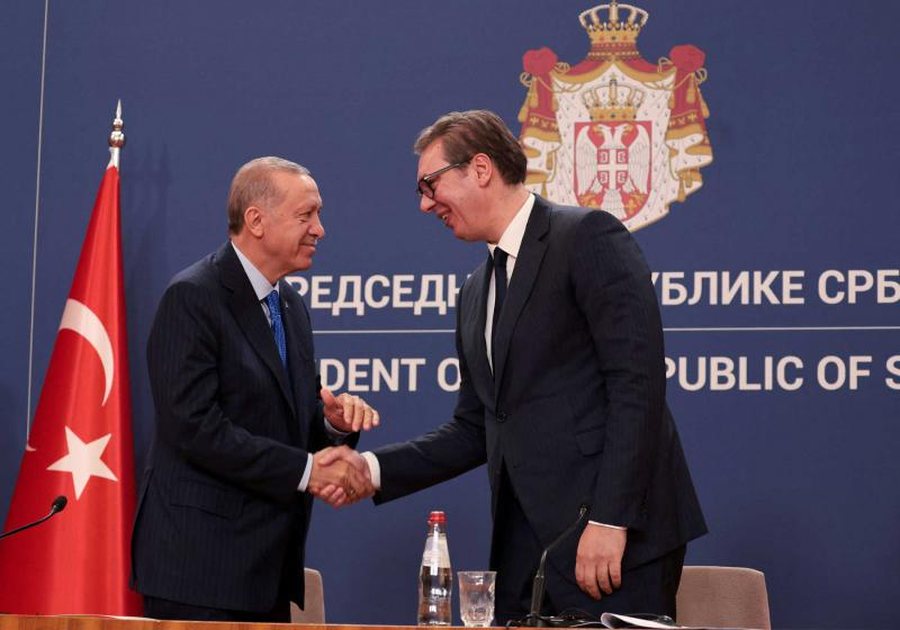
Although Ankara is traditionally seen as an ally of Balkan Muslims, including Albanians, this does not necessarily mean that Erdogan will side with Kurti against the ethnic-Serb majority in northern Kosovo.
With Recep Tayyip Erdogan secured five more years in power, the Turkish president is seeking to increase Turkey's influence in the Balkans - a region that was part of the Ottoman Empire for centuries.
The high tensions in the north of Kosovo present such an opportunity. Although Southeast Europe remains firmly in the geopolitical orbit of the United States, Ankara is likely to begin playing the role of mediator in disputes between Belgrade and Pristina.
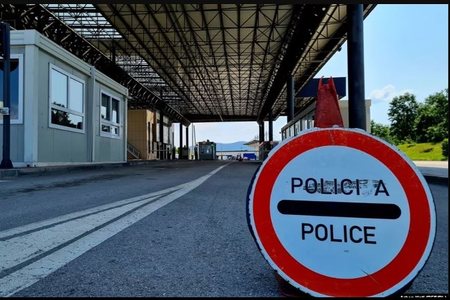
The situation in Kosovo near the Serbian border, where ethnic Serbs make up the majority of the population, escalated on May 26 when the Albanian-dominated Kosovo Police Special Forces (ROSU) occupied four municipal buildings in the area in order to help the newly elected ethnic.
The overwhelmingly Serbian population boycotted the April 23 election, so while the vote was free and fair, the results did not reflect the wishes of the majority in the region.
ROSU's actions angered the United States, and – despite being Kosovo's main backer – Washington expelled Pristina from American-led military exercises in Europe. Instead, US troops conducted joint military exercises with the Serbian army near the town of Bujanovac, not far from Kosovo.
Fully aware that he cannot count on full Western support, Kosovar Prime Minister Albin Kurti may start looking for alternative partners, hoping to improve Pristina's position in the international arena.
Could Turkey be one of them?
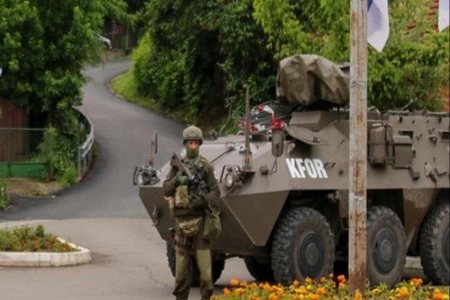
Ankara has deployed around 500 Turkish commandos in northern Kosovo in response to a NATO request for troops to help quell the unrest. They have already started patrolling the Serb-dominated municipalities in the north. More importantly, Turkey is expected to soon take over command of the US-dominated NATO mission in Kosovo.
But even though Ankara is traditionally seen as an ally of Balkan Muslims, including Albanians, this does not necessarily mean that Erdogan will side with Kurti against the ethnic-Serb majority in northern Kosovo. However, the recent meeting of the Kosovar prime minister with the Turkish ambassador in Pristina undoubtedly represents his attempt to win Ankara's support amid his confrontation with the US.
Turkey expands influence abroad
It is no secret that Turkey aims to become one of the most influential foreign actors in the Balkans. It already plays an important "peacemaker" role in various conflicts, from Syria, through Libya, to Ukraine, where Ankara's mediation led to the wheat agreement signed between Moscow and Kiev.
Since the EU-brokered dialogue between Belgrade and Pristina did not lead to an easing of tensions in northern Kosovo, Erdogan sees a window of opportunity for Ankara to mediate the conflict.
Although Turkey unreservedly supports Kosovo's unilaterally declared independence from Serbia in 2008, Erdogan seems to be choosing a constructive and balanced approach, which also means respecting Serbian interests in the region.
Beogradi – si dhe anëtarët e BE-së, Spanja, Greqia, Rumania, Sllovakia dhe Qiproja – e sheh Kosovën si një pjesë integrale të Serbisë, prandaj Turqia po përpiqet të balancojë lidhjet e saj të forta ekonomike me kombin e Evropës Juglindore, me lidhjet e saj historike dhe kulturore me shqiptarët e Kosovës.
Në vitin 2013, kur Erdogan ishte kryeministër, deklarata e tij se “Kosova është Turqi dhe Turqia është Kosovë” tërhoqi kritika të forta në Beograd. Dhjetë vjet më vonë, presidenti serb Aleksandar Vuçiç e sheh Erdoganin si një aktor që mund të “ndihmojë në ruajtjen e stabilitetit në veri të Kosovës” dhe gjithashtu si një “mik të vërtetë” të Serbisë.
Në të vërtetë, pavarësisht pikëpamjeve të ndryshme për statusin e Kosovës, marrëdhëniet ndërmjet Beogradit dhe Ankarasë janë përmirësuar ndjeshëm gjatë dekadës së fundit. Qytetarët serbë mund të udhëtojnë në Turqi pa pasaporta, ndërsa Ankaraja vazhdon të forcojë praninë e saj ekonomike në vendin ballkanik.
Rreth 3,300 kompani turke operojnë në Serbi, 21 prej të cilave janë fabrika. Më tej, shkëmbimi i përgjithshëm tregtar ndërmjet Serbisë dhe Turqisë arriti pothuajse 2.5 miliardë euro (2.7 miliardë dollarë) në vitin 2022, ndërsa vëllimi tregtar ndërmjet Turqisë dhe Kosovës ishte shumë më i ulët, duke llogaritur 696 milionë dollarë.
Shitja e armëve
Beogradi dhe Ankaraja – pavarësisht se Turqia është anëtare e Organizatës së Traktatit të Atlantikut të Veriut, dhe Serbia mbetet ushtarakisht neutrale – pritet gjithashtu të rrisin bashkëpunimin ushtarak, veçanërisht pasi Erdogan thuhet se premtoi se do t'i sigurojë kombit ballkanik pa dalje në det me drone Bayraktar.
Megjithatë, Forca e Sigurisë së Kosovës tashmë ka marrë pesë dronë të prodhimit turk, që do të thotë se Turqia ka të ngjarë të synojë të përfitojë duke u shitur armë të dyja palëve.
Një prani e shtuar ushtarake turke në Kosovë padyshim do ta ndihmojë Ankaranë të forcojë pozicionet e saj në rajon, veçanërisht tani që Perëndimi është i preokupuar me luftën në Ukrainë. Në të njëjtën kohë, kjo do ta ndihmojë Erdoganin të portretizojë veten si një partner në rritje dhe i paanshëm si për Beogradin ashtu edhe për Prishtinën.
But given that the United States, with Camp Bondsteel based in Kosovo – the largest and most expensive foreign military base built by the US in Europe since the Vietnam War – remains the main foreign power operating in the Balkans, Turkey is unlikely to be in a position to pursue a completely independent foreign policy in the region.
Instead, Ankara will almost certainly have to carefully coordinate most of its moves with Washington./ Taken from Asia Times


Lini një Përgjigje