


 Shkruar nga Pamfleti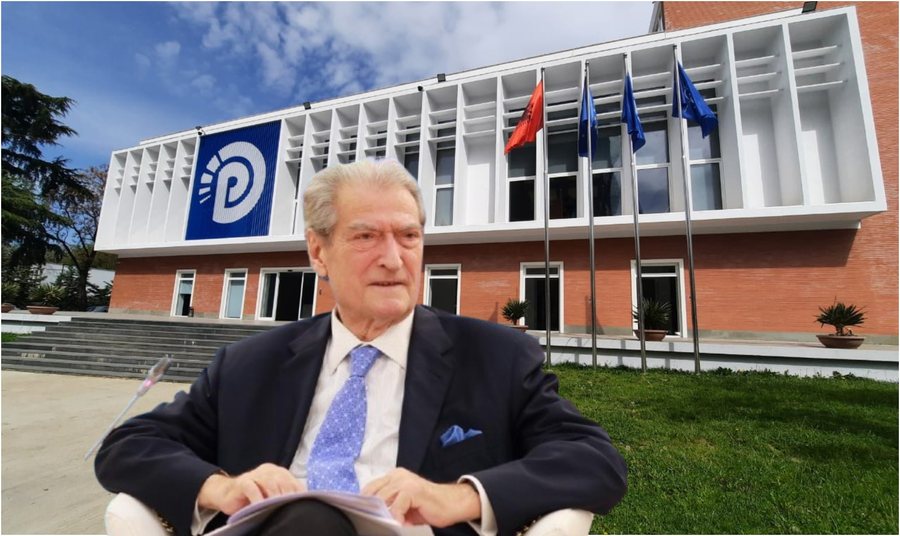
This 'core' will coordinate the meetings, while the district leaders will report on the problems encountered during the campaign to the central headquarters, which will then coordinate with the rest of the
On May 11, Albania will hold general parliamentary elections where, for the first time, Albanians in the diaspora will also be able to vote by mail.
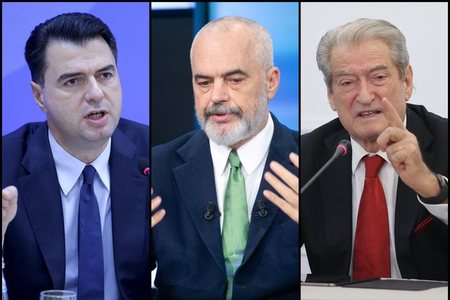
Edi Rama is aiming for a 4th consecutive term as Prime Minister, in an attempt to set a record in the 34 years of Albanian pluralism when a political force holds power for 16 consecutive years. On the other hand, Sali Berisha as leader of the 'Greater Albania' Alliance is aiming for a 3rd term, which if achieved would be another record in Albanian politics.
And while the campaign engines have been fired up by both Rama and Berisha, as well as other parties or coalitions competing on May 11, it seems that the democratic leader has left the field open, basing the organization of the campaign on the leaders of the regions and a group that will act as coordinators.
Thus, Berisha is expected to be present only at 12 meetings that coincide with the 12 rallies that will be held in the regional centers and where the candidates for MP will be presented, while his attention will be on meetings at the international level and with Albanians in the diaspora. It is not known whether this is a choice of the democratic leader or an advice given to him by the campaign strategists.
But who will lead the Democrats' campaign?
According to sources, in addition to the political leaders of the regions who will be responsible for the campaign in the territory the region covers, an electoral headquarters has also been set up at the DP headquarters that will coordinate all the work.
This headquarters includes Secretary General Flamur Noka, Albana Vokshi and Besart Xhaferri as leaders of women's and youth organizations (LDG and FRPD), Edi Paloka as Chairman of the National Council of the DP.
Also helping or supporting them will be the allies who are on the safe coalition lists, starting with Fatmir Mediu, the leader of PR, to continue with Tedi Blushi and Erisa Xhixho from PL, or even Shpëtim Idrizi of PDIU, although the latter seems to be engaged in Tirana, due to his inclusion in the open list as a candidate, which means that he will need personal votes to hope that he will have a seat in the new parliament.
Unlike other regions, Tirana, which has a full 37 mandates of deputies, has a different organization. In addition to the political leader, Belind Këlliçi, in each of the DP branches, there are delegated responsibilities, or political leaders, of small areas.
Thus, in Tirana, not only the candidates from the open list are engaged, but also some of the names from the closed list, including those who make up the central 'core'.
Sources from the opposition say that this 'core' will coordinate the meetings, while the district leaders will report on the problems that will be encountered during the campaign to the central headquarters, which will then coordinate with the rest, including the group that will assist the opposition in the campaign, led by Chris LaCivita.
The latter, beyond the advice they will give on the theses that need to be articulated or in relation to the public, are expected to have a major role in what is considered 'American' awareness regarding violations that may be identified or vote distortion. / Pamphlet/


Lini një Përgjigje