


 Shkruar nga Pamfleti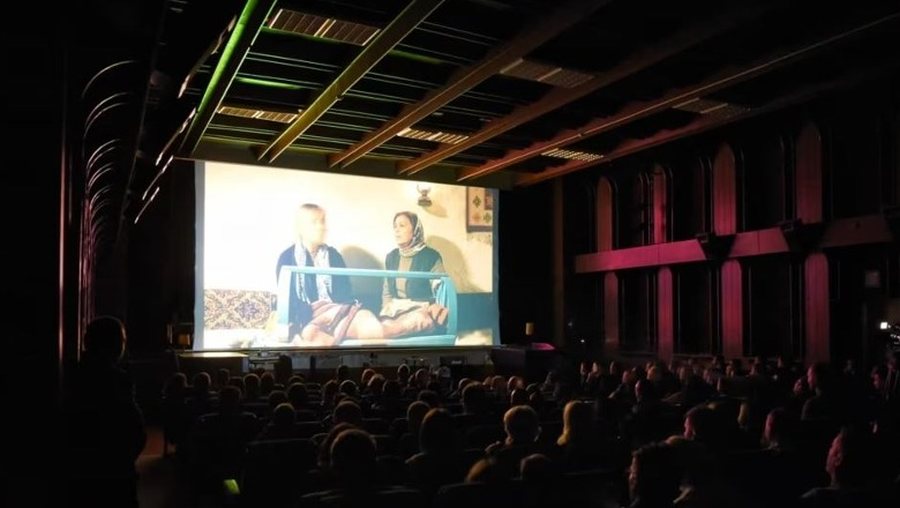
By the decision of the High Court in Vranje, the screening of the film "I Pabesi" by the Albanian author Gani Veseli has been banned in Serbia.
As stated in the answer that this court has sent to Radio Free Europe (REL), the court has assessed the proposal of the Public Prosecutor's Office as well-founded that this offense "advocates and incites discrimination and hatred".
With the same decision, the screening of another film by Vesel, entitled "Silence Kills", was allowed, but on the condition that, among other things, the logo of the Republic of Kosovo, as sponsor of the film, be removed.
The producer of the film, Gani Veseli, says that he is disappointed with this decision and that he will not remove the symbol of Kosovo, since its Government has financed the films.
Two short films by Preševo-based production house Colosseum Production found themselves in court before their premiere in Bujanoc, after police received an anonymous report in June that they incite hatred and discrimination. These claims are rejected by the authors of the films.
The public has not yet been made aware of all the details of the decision that was taken on August 14 by the panel of the Supreme Court in Vranje.
In the answer that the court sent to Radio Free Europe, it is said that the court found that the film "Infidel" is in violation of Article 28 of the Law on Cinematography.
In that article it is stated that the circulation and public display of cinematographic work that incites discrimination and spreads national, racial and religious hatred is prohibited.
Also, this article states that a ban can be placed on the public screening of a cinematographic work with pornographic content or content that advocates or incites violence and openly insults human dignity.
As for the second film, called "Silence Kills", the court allowed the public screening with some preconditions. In addition to the request to remove the symbol of the Republic of Kosovo from the warning subtitles, it is also requested to display the warning that the film is not recommended for persons under the age of 16.
"The panel of the Supreme Court in Vranje, on the occasion of taking the decision, in addition to all other evidence and proposals of the chief prosecutor in Vranje, especially evaluated the basic and supplementary findings of the Film Center of Serbia, as a professional institution that performs work in the field of cinematography, determined by the Law on Cinematography", says the response of the Supreme Court in Vranje.
REL has contacted, through e-mail, the Film Center of Serbia, asking them to explain the opinion given in this case, as well as to show who were the members of the commission who gave that opinion. But, until the end of the text, the answer has not come.
This is a court decision of the first instance, against which the authors and the production company have the right to appeal. The decision of the second instance is taken by the Court of Appeal in Nis.
What does the producer say?
In a statement for Radio Free Europe, Gani Veseli says that he feels disappointed after the decision of the first instance of the court, since the project was financed by the Government of Kosovo through the National Council of Albanians.
"The project was dedicated to Presheva and of course I had the greatest desire to show it there", says Veseli.
...is direct censorship in culture. I have no opportunity to push my chest in front of a state apparatus".
He says that he cannot agree with the Supreme Court's recommendation to remove the state symbol of Kosovo from the film "Silence Kills".
“Unë kam deklaruar edhe në gjykatë se nuk do ta heq logon e Republikës së Kosovës, sepse nuk ma lejon as etika profesionale, as morale dhe as njerëzore. Mbi të gjitha (shteti i Kosovës) është financues i drejtpërdrejtë”, thotë Veseli.
Në një prononcim të mëhershëm për Radion Evropa e Lirë, Veseli ka sqaruar se filmat “I pabesi” dhe “Heshtja vret” nuk propagandojnë asnjë urrejtje, por janë të bazuara në rrëfime popullore.
“I pabesi” flet për një burrë të pasionuar pas armëve dhe shokun e tij të ngushtë që e denoncon në polici, ndërsa tema e filmit të dytë është momenti kur disa të rinj vrasin dajën e tyre në një grabitje dhe vrasja zbulohet pas 20 vjetësh.
Veseli thotë se përmes këtij projekti ka marrë mjete për xhirimin e pesë filmave, katër prej të cilëve tashmë janë xhiruar, ndërsa i pesti do të përfundojë në shtator.
“Realisht, pesë filma nuk do të kenë mundësi të shfaqen në Serbi, sepse e kanë logon e Republikës së Kosovës”, thotë Veseli dhe shton:
“Tash është problem për të gjithë shqiptarët dhe duhet t’u dhemb të gjithëve, për shkak se është një censurë e drejtpërdrejtë në kulturë. Unë, absolutisht nuk kam mundësi të shtyhem me gjoks përballë një aparati shtetëror”.
Shfaqjet premierë të filmave “Heshtja vret” dhe “I pabesi” ishte planifikuar për më 10 qershor. Megjithatë, ato janë anuluar pas një ankese anonime në stacionin e policisë lokale, se filmat nxisin urrejtje dhe diskriminim.
Në vend se të ishin në premierën e filmave, Gani Veseli dhe drejtori i Qendrës së Kulturës në Bujanoc, Jetmir Ismajli, ishin për t’u intervistuar në stacionin policor në Bujanoc. Pasi dhanë dëshminë e tyre, ata u lanë të lirë dhe shfaqja publike e filmave u ndalua deri në një njoftim të dytë.
Gjendja e sistemit gjyqësor
Ragmi Mustafi, ish-kryetar i Këshillit Kombëtar të Shqiptarëve në Serbi, thotë për Radion Evropa e Lirë se vendimi i Gjykatës së Lartë në Vranjë nuk mund të kuptohet ndryshe përveçse si censurë e artit dhe kulturës së shqiptarëve në Luginën e Preshevës.
Në thelb, ky është një gjykim politik ndaj kulturës shqiptare".
“Ekranizimi artistik i rrëfimeve popullore të Preshevës, Bujanocit dhe Medvegjës, me mbështetjen e Qeverisë së Kosovës, vetëm sa hodhi dritë mbi gjendjen e vërtetë të sistemit gjyqësor në Serbi. Në thelb, ky është një gjykim politik ndaj kulturës shqiptare”, vlerëson Mustafi.
Sipas tij, ndalimi i shfaqjes së filmave është “forma më brutale e dhunës dhe presionit që ndikon në identitetin dhe jetën kulturore të shqiptarëve”.
“Tensionet politike, dallimet kulturore apo narracionet historike nuk duhet të ndikojnë në përmbajtjen e prodhimeve kulturore”, thotë Mustafi.
Marko Milosavljeviq nga Iniciativa joqeveritare e të Rinjve për të Drejtat e Njeriut (YIHR) vlerëson për REL-in se është e vështirë të komentohet për këtë vendim gjyqësor, pasi që ende nuk është paraqitur në tërësi para opinionit.
Kjo nuk është në përputhje me obligimet nga Marrëveshja e Ohrit, me të cilën Serbia është obliguar të njohë simbolet e Kosovës".
Por, ai thekson se gjykata, prokuroria dhe policia kanë marrë qëndrimin se liria e shprehjes për artistët e kombësisë shqiptare nuk është e lejueshme.
“Ky ndalim tani është konfirmuar me vendim të gjykatës”, thotë Milosavljeviq.
Sipas tij, shpjegimi i gjykatës lidhur me filmin “Heshtja vret”, transmetimi i të cilit është i kushtëzuar me heqjen e simboleve të Republikës së Kosovës, është i kontestueshëm.
“Kjo nuk është në përputhje me obligimet e Serbisë nga Marrëveshja e Ohrit, me të cilën Serbia është obliguar të njohë simbolet e Kosovës”, thotë Milosavljeviq.
Në marrëveshjen e arritur në shkurt të këtij viti nga kryeministri i Kosovës, Albin Kurti dhe presidenti i Serbisë, Aleksandar Vuçiq, në Ohër, ndër të tjera thuhet se të dyja palët “do të njohin reciprokisht dokumentet dhe simbolet e tyre kombëtare, përfshirë pasaportat, diplomat, targat dhe vulat doganore”.
Marko Milosavljeviq konsideron se ndalimi i premierave të dy filmave të Gani Veselit, në Qendrën e Kulturës në Bujanoc, ka të bëjë me vendimin e drejtorit të atij institucioni kulturor në jug të Serbisë për ndalimin e shfaqjes së filmit “Kufiri ballkanik” në vitin 2019.
Ai film përshkruan aksionin e forcave speciale ruse në aeroportin e Prishtinës, menjëherë pas bombardimit të ish-Republikës Federative të Jugosllavisë, në vitin 1999.
"I see this as a revenge for the fact that the then director of the Culture Center in Bujanoc did not allow (the showing of the film 'The Balkan Border'). It was not a good decision, and in a way, this is now a reason for it, but it cannot be a motive for any prosecutor and police to call for a detention and then make another detention", Milosavljevic considers.
According to the results of the 2022 census, more than 61,000 members of the Albanian national minority live in Serbia.
Citizens sitting outside a bar in Presevo. September 12, 2018.
Of them, the largest number of Albanians, more than 56,000, live in the municipalities of Presheva and Bujanovac. About 1,000 Albanians live in the municipality of Medvegja./REL





Lini një Përgjigje