


 Shkruar nga Pamfleti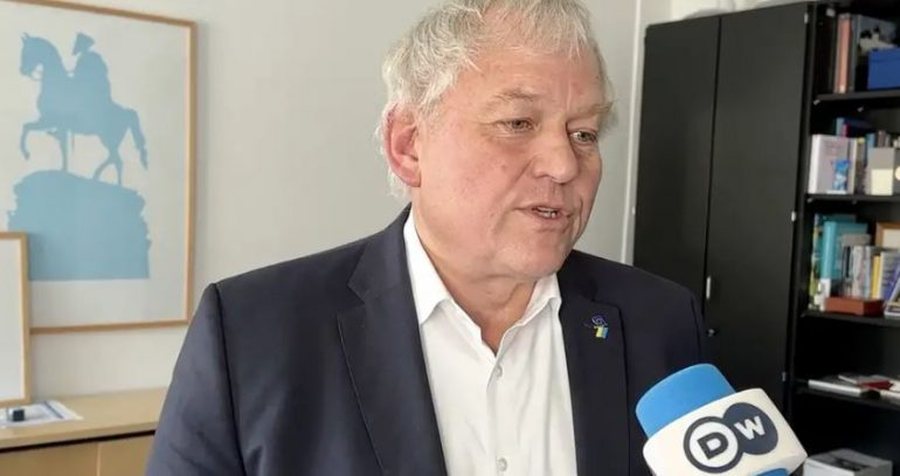
The rapporteur responsible for the Western Balkans of the FDP party in the German Bundestag, Thomas Hacker, speaks in an interview for DW about the challenges in the Serbia-Kosovo conflict.
Mr. Hacker, tensions between Serbia and Kosovo are increasing and dialogue is stalling. As the member of the German Bundestag responsible for the Western Balkans, you know all perspectives. How do you assess the situation?
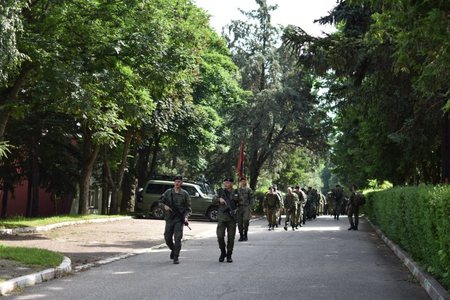
Thomas Hacker: Unfortunately, over the past few weeks and months, we've seen time and time again one side blaming the other. After Christmas, we thought that we had left the biggest tensions and blockades in the north of Kosovo behind. Now we are facing new tensions. Policemen are kidnapped or arrested, on the one hand it is said that they were kidnapped in their territory, on the other hand that they were caught in Serbian territory. Conflicts bring with them a dangerous dynamic that is almost impossible to control. Several KFOR soldiers were seriously injured during the protests at the end of May. This is a new level of escalation. Now it must be decisive that all parties return to a normal process of dialogue.
But when the Kosovo government tries to arrest violent protesters, this is interpreted as a provocation by Serbia
Thomas Hacker: Attacks on KFOR troops should be prosecuted. Serbia must release the three Kosovar policemen immediately and unconditionally. I believe that only then we will be able to return to a phase of dialogue. We must continue the only right path, that of negotiations, which the European Commission has shown with its compromise proposals. It should be noted that Aleksandar Vucic is anything but a peacemaker in the region. He has brought the media system under control for years. For years, it has vacillated between membership in the European Union and Russia. He has to make the decision now. Many citizens clearly see the future of their country in the EU. The Serbian government and President Vučić cannot ignore this fact.
What do you expect from the Kosovar side, which is currently feeling the greatest pressure?
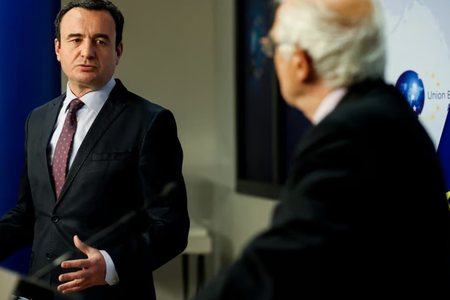
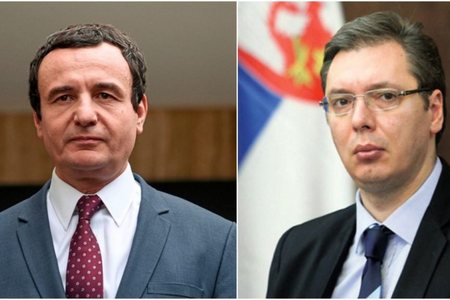
To implement the agreements, especially regarding the Serbian community in the north of Kosovo. There are four municipalities, perhaps 45,000 inhabitants, a form of organized cooperation is needed that will prove its value in the long run. Serbia has made its demands clear. They certainly do not have to be fulfilled in their entirety. But the Kosovar side must also present a proposal, an initial model that can be advanced in the talks with Serbia and with the participation of the European Union. It is a challenge for both sides - for Kurt and Vucic. I know that the personal history of both of them makes constructive discussion extremely difficult. But neighborly relations can only develop if one is aware of one's past but keeps one's eyes on the future. The best example of this is the Germany-France relationship after World War II. Initially, it was a peaceful coexistence between the former "sworn enemies" until, with a lot of work and youth exchanges, a true friendship developed.
Attempts at dialogue so far have only resulted in agreements that are not being implemented. What should the EU and Germany do about it?
Thomas Hacker: Both sides must feel the pressure. Even the Serbian side must feel the pressure. In case of need, even setting conditions for granting funds. If both countries seriously want to join the European Union – and this is the central perspective for many Western Balkan countries – then this will not be possible without cooperation and concessions. Then the agreements must be signed, respected and implemented. Aleksandar Vučić still hasn't signed the Ohrid Agreement because he obviously can't. However, this agreement is a prerequisite for all subsequent steps.
Komisioni i BE-së dhe SHBA-të po bëjnë thirrje për zgjedhje të reja në veri të Kosovës. Çfarë kuptimi kanë këto zgjedhje të reja, nëse serbët nuk duan të marrin pjesë, siç ishte në zgjedhjet e fundit të 26 majit.
Thomas Hacker: Gjatë vizitës së saj të fundit në Berlin presidentja e Kosovës tha se i mbështet zgjedhjet e reja në katër komunitetet serbe të Kosovës nëse plotësohen kërkesat e Kushtetutës. Parakusht është që 20 për qind e votuesve të nënshkruajnë një peticion për zgjedhje të reja. Pastaj ato mund të kryhen. Megjithatë, është thelbësore që Aleksandar Vuçiq të mos ndikojë negativisht në këtë proces dhe që Lista Serbe të mund të marrë vendime të pavarura. Nëse pala serbe i bojkoton sërish këto zgjedhje, atëherë duhet gjetur një mënyrë se si të vijohet pa ata. Bashkimi Evropian e mbështetet këtë dialog dhe mbështet të dyja palët në kapërcimin e pengesave.
Sekretari i Përgjithshëm i NATO-s, Jens Stoltenberg tha në konferencën për shtyp me kancelarin gjerman Olaf Scholz në fillim të kësaj jave se NATO, më konkretisht KFOR-i, është e gatshme të ndërmarrë hapa të mëtejshëm nëse është e nevojshme. A do të thotë kjo se po mendoni të merrni administratën në veri të Kosovës me EULEX-in dhe KFOR-in?
Thomas Hacker: I don't think now is the time to speculate about the next steps. As the European Union, we must ensure that the agreed steps are implemented by both sides. Germany is ready for this. We must do everything to make cooperation work. The Berlin Process is a suitable instrument platform for this. Through him, last year we reached agreements that in the future will contribute to more freedom of movement in the countries of the Western Balkans. Fortunately, both countries, both Kosovo and Serbia, have approved these agreements. This is the path we must travel. Anything else would be a bleak future we can avoid./DW


Lini një Përgjigje