


 Shkruar nga Pamfleti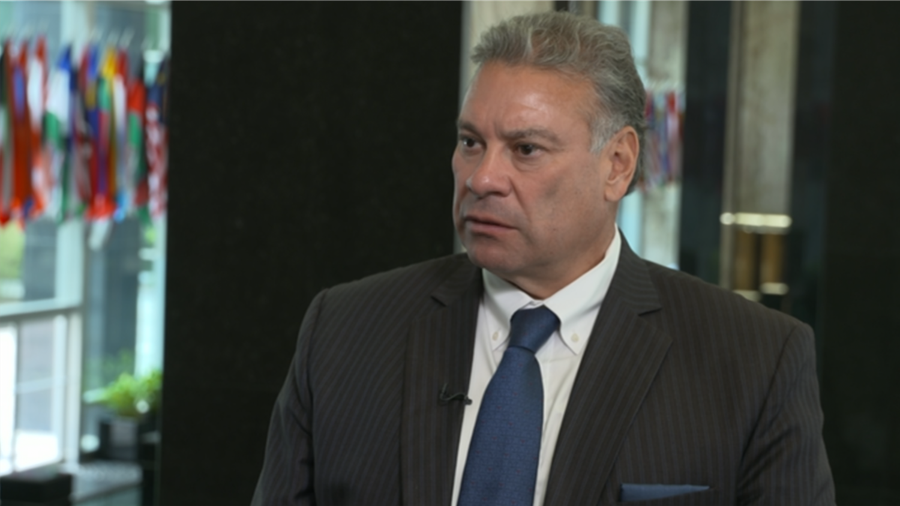
I don't want to go into what all the ramifications are, but I think our public statements speak pretty clearly about where our diplomatic and political relations are going.
The special envoy of the United States of America for the Western Balkans, Gabriel Escobar, has issued strong criticisms against the government of Albin Kurti.
He stated that the US is concerned that the Government of Kosovo is not treating it as a partner and added that it was discussed how the Kurti government has changed the policy for payment transactions related to the Serbian dinar.
In an interview for the Voice of America, Escobar did not exclude the possibility that in the future this persistence of Kosovo could bring diplomatic and political consequences.
" I don't want to go into what all the consequences are, but I think our public statements speak quite clearly about where our diplomatic and political relations are going. We are very concerned because the government of Kosovo does not treat us as a partner, they do not work with us for regional stability and they endanger the dialogue - to which the USA is fully committed. I think Ambassador Hovenier said it best – it complicates our capacity to help Kosovo integrate into the transatlantic community ," he said.
He further added that this behavior of Kosovo towards the USA only complicates Pristina's path to join the EU, NATO and the Council of Europe.
" Every time we talk about Kosovo with other partners, especially with those who do not know it, they see that Kosovo does not fulfill its obligations in the dialogue under the umbrella of the EU, which represents the entire EU. Therefore, it makes it difficult for us to defend Kosovo's arguments in any way, including EU and NATO membership, the Council of Europe and many other organizations ," said Escobar.
Escobar then spoke about the dialogue between the parties and about the responsibilities that both Serbia and Kosovo should take. He also touched on the issue of election manipulation in Serbia, as well as Russian influence in Belgrade.
Full VOA interview:
Voice of America: How do you comment on the latest development in the dialogue where Kosovo officials refused to participate in the meeting that the special envoy Miroslav Lajçak has called to discuss the issue of the dinar?
Gabriel Escobar: I think we are still in the discussion phase of whether someone will go or who will go. So my understanding was that there is no consideration from the Kosovo side that they will send a representative to discuss the dinar issue. So we are still hoping to convince them to attend on Tuesday.
Voice of America: The United States of America has criticized Kosovo many times for the way it implemented the new dinar policy. But aside from the harsh rhetoric, are there any practical consequences for Kurti's government?
Gabriel Escobar: Look, I don't want to go into what all the ramifications are, but, you know, I think our public statements are indicative of how the relationship is going on a diplomatic and political level. So, we are concerned about the fact that the government of Kosovo is not treating us as a partner. They are not consulting us. They are not working with us on regional security. And more importantly, they are doing things that seem to be undermining the dialogue in which the United States is fully engaged.
Voice of America: But how does it happen in practical life? Will the United States stop supporting Kosovo in the international community? Are there any such consequences that are happening now?
Gabriel Escobar: I think the ambassador (American in Pristina Jeff) Hovenier said it best when he said, this complicates our capacity to help Kosovo integrate into the transatlantic community. So, whenever we talk about Kosovo with other partners, especially with those who do not know it, their concerns are that Kosovo is not doing what is required by the facilitated dialogue of the European Union, which represents the entire European Union, and why must move forward. So, in other words, it makes it very difficult for us to be able to support Kosovo for many things, including NATO, candidacy for the European Union, the Council of Europe and a number of other organizations. So it's not like we have to decide what kind of consequences, the consequences are self-evident.
Voice of America: Was this new dinar policy part of the dialogue before, was it discussed with Belgrade before because an impression that is being created here is that the United States and the European Union are criticizing the sudden way of implementing the policy, but not the policies themselves. So was it planned to happen at some point anyway? Has it been discussed with Belgrade?
Gabriel Escobar: Po, kishte dy gjëra në lidhje me të. Njëra është se Asociacioni, i cili është detyrim ligjor dhe nga qëndrimi ynë duhet të zbatohet, përfshin zgjidhjen e çështjes së transferit të dinarit në mënyrë transparente elektronike sipas ligjeve të Kosovës. Kështu që ne e mbështesim atë. Pra me fjalë të tjera, ky është një problem që do të ishte zgjidhur me Asociacionin. Tani ne kemi disa shqetësime për këtë: njëri është natyra e papritur e ndryshimit të ligjeve. Pra, institucionet përgjegjëse nuk i befasojnë qytetarët e tyre me ndryshime administrative që do të prishin jetën e përditshme. Pra, imagjinoni nëse shërbimi ynë i të ardhurave të brendshme do të vendoste një ditë se do të ndryshonte sistemin e taksave pa asnjë udhëzim dhe pa paralajmërim, kjo do të krijonte trazira të jashtëzakonshme për bizneset amerikane. Së dyti, ata nuk kanë kontaktuar komunitetin e prekur. Pra, është një grup njerëzish që varen nga pagesat sociale nga Serbia, të cilët papritur befasohen nga kjo dhe nuk ka pasur asnjë komunikim, nuk ka pasur komunikim me ta nga Kosova. E treta është se Kosova nuk ofroi alternativa qeveritare. Me fjalë të tjera, ambasada jonë është kontaktuar nga disa persona, duke përfshirë një grua në veçanti e cila varet 100 për qind nga pagesat sociale për të rritur djalin e saj me aftësi të kufizuara, i cili nuk ka kapacitet për të udhëtuar në Serbi për të marrë para dhe ato para i duhen për të mbështetur djalin e saj, i cili nuk ka asnjë alternativë. Pra, Kosova nuk ka ofruar asnjë alternativë qeveritare. Kosova hodhi poshtë përpjekjet e Quintit, përfshirë Shtetet e Bashkuara, për të ofruar ndihmë teknike për të gjetur një mekanizëm pagese që do të ishte transparent dhe elektronik, por që nuk do të paragjykonte jetën e njerëzve që i marrin këto. Pjesa e fundit është, në samitin në Shkup, gjashtë vendet diskutuan zhvillimin e një plani pagese që do të ishte në përputhje me Bashkimin Evropian dhe do të zbatohej për të gjashtë vendet. Pra, me fjalë të tjera, gjithçka që duhej të bënin ishte të prisnin dhe do të merrnin një sistem transparent. Pra, është e vështirë të mos e shikosh këtë vendim dhe ta kritikosh.
Zëri i Amerikës: A ishte Beogradi i informuar për këtë vendim?
Gabriel Escobar: E di që ata nuk ishin të informuar për këtë sepse ne nuk ishim të informuar.
Zëri i Amerikës: A jeni të kënaqur me mënyrën se si Serbia po e përmbush detyrimin e saj në kuadër të dialogut dhe cila është gjëja e radhës që pritet nga Beogradi?
Gabriel Escobar: Dua të them se Beogradi ka disa pritshmëri shumë të qarta nga dialogu, dhe ata kanë bërë disa gjëra, duke përfshirë pranimin e targave dhe pranimin e dokumenteve doganore. Ajo që ne duam nga Serbia është ta bëjë atë të pakthyeshme dhe formale duke e futur atë në legjislacion apo rregullore. Kjo pritet nga Serbia. Por përveç kësaj, ka disa gjëra që Serbia ka premtuar se do t'i bëjë dhe që nuk i ka bërë, duke përfshirë mbajtjen përgjegjës të njerëzve që ishin bashkëpunëtorë në sulmin në Bansjkë më 24 shtator. Kjo është shumë e rëndësishme. Nuk është pjesë e dialogut, por është shumë e rëndësishme për pajtimin rajonal. Pra, ne kemi disa pritshmëri për Serbinë.
Zëri i Amerikës: A do të pajtoheni me ndihmës sekretarin (Jim) O'Brien se duke njohur dokumentet doganore dhe targat, Serbia ka bërë dy hapa të rëndësishëm drejt njohjes së Kosovës. A do të pajtoheni me atë lloj përshtypjeje se Serbia po i bën këto hapa foshnjeje ose përparimin e ngadalshëm drejt normalizimit dhe njohjes së Kosovës?
Gabriel Escobar: Po, do të pajtohesha me Jim (O’Brien) dhe ai ka të drejtë për këtë. Tani, ajo që duam është që ato të jenë të përhershme dhe duam që ato të jenë formale.
Zëri i Amerikës: Siç e dini Parlamenti Evropian ka miratuar së fundmi rezolutën që kërkon një hetim ndërkombëtar të pavarur të parregullsive në zgjedhjet serbe, të cilat, meqë ra fjala, janë dokumentuar edhe nga ODIHR dhe vëzhguesit vendas. Pra, a qëndrojnë Shtetet e Bashkuara me aleatët e tyre evropianë për këtë çështje duke kërkuar hetim të pavarur?
Gabriel Escobar: Ajo që ne po kërkojmë është se raporti ODIHR-it ishte mjaft i plotë dhe ishte mjaft i drejtë. Dhe ajo që thamë është se ODIHR, ai raport, të cilin tashmë e kemi thënë se qëndrojmë pas dhe e mbështesim, bën disa rekomandime shumë të qarta dhe ka theksuar disa mangësi shumë të qarta në procesin zgjedhor në Serbi. Pra, qëndrimi ynë është që ato duhet të rregullohen dhe ato duhet të rregullohen para zgjedhjeve të ardhshme, qofshin ato kombëtare apo komunale.
Zëri i Amerikës: Por a e mbështesin Shtetet e Bashkuara Parlamentin Evropian në kërkesën e tij?
Gabriel Escobar: Parlamenti Evropian është një organizatë e ndryshme që është e pavarur në mandatin e tij nga Bashkimi Evropian, Komisioni Evropian, Këshilli Evropian. Pra, angazhimi jonë ka qenë përmes Quint dhe me ODIHR-it. Ne nuk patëm asnjë kontribut në atë rezolutë. Por ne ndajmë shqetësime të ngjashme që raporti i ODIHR-it vuri në dukje disa mangësi që duhen korrigjuar në lidhje me këto shqetësime.
Zëri i Amerikës: A mundet qeveria e ardhshme serbe të jetë partner legjitim i SHBA-së, duke pasur parasysh se rezultatet e zgjedhjeve u kontestuan nga institucionet e BE-së si Parlamenti Evropian, opozita serbe dhe një pjesë e popullit serb?
Gabriel Escobar: I think it is important that in Serbia there is a legal process where the opposition expands its concerns. We want those institutions to do their job and take those complaints seriously. But moving forward, whichever government is formed, we expect that government to strengthen democratic institutions within Serbia, continue to engage in dialogue and continue to move towards European integration. And I think that these are aspirations for all the people of Serbia and for the whole spectrum, except for a small minority on the extreme right of the political spectrum, which, by the way, did very badly in the elections.
VOA: So what are the US expectations from the new government in Serbia, other than what you said, but that means more as a foreign policy opinion? So, given that the main right-wing, pro-Russian parties remain out of parliament, do you expect the new government to impose sanctions on Russia, be more pro-Western?
Gabriel Escobar: First, yes, I mean, we would like the new government to continue its path towards European integration, which means orientation towards the West. We have always said that we think it is a good idea for Serbia to impose sanctions on Russia, and we believe that regional stability includes moving forward in dialogue. We will absolutely have certain expectations from the new government and we will have certain aspirations for our relations with the new government.
VOA: How would you rate the current Russian influence in Serbia? Would you say it is stronger or weaker compared to, say, two years ago when the war in Ukraine started?
Gabriel Escobar: Russia's influence in Serbia is still quite strong, in Serbia it still enjoys some popular support, there are some politicians, even within this government who are very pro-Russian and there are many, many people who have been quite useless in that relationship. This is not a reflection on the entire government. But I would say there are some people, including the former director of the BIA, who was extremely, openly and proudly supportive of Russia and what they're doing in Ukraine.
Voice of America: Do you think Mr. (Aleksandar) Vulin will be part of a future government?
Gabriel Escobar: I don't think he was the only one who was pro-Russian.



Lini një Përgjigje