


 Shkruar nga Pamfleti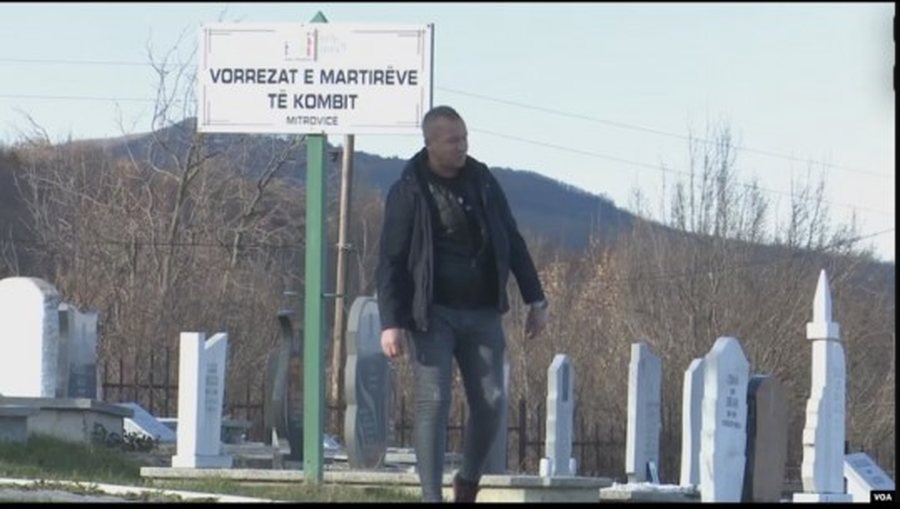
On March 13, 1999, Safet Strana - then 17 years old - was in the market of the city south of Mitrovica with his family.
A bomb dropped there by Serbian forces left five dead. Over 90 others were injured, among them Safeti and his two parents.
"One of my uncle's daughters died there at the moment, I was seriously injured, my father was injured but not too seriously, he was the lightest of us and was always aware and advising me how to act since I couldn't move my legs. The mother on the other hand was without a leg, massacre..., he says.
Safeti and his parents were taken to the hospital in the northern part of the city, where he says they were treated very badly.
"We were treated from one department to another, the rooms were filled with paramilitaries and wounded Serbian soldiers and we, as second-class citizens, were sent everywhere and we could not complain, the conditions were severe, bad", Safeti confesses.
After about a month, his father, Ahmet Strana, dies.
"From time to time my father was not well and one night I called the nurse who was on the night shift around six in the afternoon, she came quickly as I was screaming that I could not walk. She asked me what's going on and I told her that dad is not well and for a moment where she was getting the infusion she put a needle in him and left telling me that 'it's going to be fine'. Ten minutes or maybe five minutes have not passed, when I turned my head, my father had just died", he confesses.
Safeti remembers that two Serbian soldiers took his father's body. It took a 20-year wait to find his body in the Albanian cemetery in the municipality of Zveçan. But apart from the anxiety and pain of waiting for so many years, Safeti says that he is tormented by the fact that his father's head has never been found.
"Father was not at the front or was massacred because I know how I left him, I know how they took him. Maybe if he had been massacred that you know it yourself, you know that he is cut off without legs, without hands or without any limbs and you accept it as it is that it happened and not only to him but also to others. But I know that he was whole and had only one leg amputated," he says.
After almost two more years of waiting, Safeti with his sister and brothers decided to bury what was left of his father.
"The pain was very severe. In a way, we expected that it would end there and he would be completely recovered and completely comfortable. He has been both there and here, but for us it's a little easier to have an address like a grave, it's a bit of a relief," he says.
Kur ka kaluar një çerek shekulli nga lufta, familjet e mbi një mijë e 600 personave në Kosovë presin të mësojnë ndonjë gjë për fatin e të afërmëve të tyre të zhdukur.
Bajram Qerkinaj drejtues i shoqatës “Zëri i Prindërve” në Mitrovicë, i tha Zërit të Amerikës se në këtë qytet ende nuk dihet asgjë për fatin e 108 personave.
“Mos të merren me politikë por me aspektin human. Ne e dimë se politika e ka bërë, por aspekti human, njerëzor, nuk duhet të përzihet me politikë, por duhet të zbardhet fati i personave tëpagjetur që të rehatohet populli, pa dallim feje, pa dallim kombi, kushdo qoftë ai, t’i zbutet sadopak plaga të cilën e ka plot që 25 vjet”, thotë zoti Qerkinaj.
Kushtrim Gara nga Komisioni Qeveritar për Personat e Zhdukur, tha në një bisedë me Zërin e Amerikës se përgjatë vitit 2023 brenda territorit të Kosovës janë gërmuar 15 vende ku dyshohej se mund të kishte trupa të të zhdukurve.
“Ajo që është e rëndësishme shumica nga këto lokacione kanë rezultuar me gjetje dhe zhvarrosjetë mbetjeve mortore. Po flasim sipas të dhënave nga ekspertët tanë për të paktën 20 individë apo 20 viktima të luftës. Sigurisht që pas përfundimit të të gjitha procedurave të nevojshme, në kuptim të ekzaminimit mjeko ligjor por edhe identifikimit përmes analizës së ADN-së, do të saktësohet numri dhe identiteti i tyre”, tha zoti Gara.
Sfidë, thotë ai, mbetet politizimi i këtij procesi dhe mungesa e bashkëpunimit nga Serbia.
“Rrjedhimisht mbetet sfidë jo vetëm mungesa e informacioneve të besueshme, pra mungesa e bashkëpunimit të palës serbe për të vënë në dispozicion të këtij procesi të dhënat dhe informatat nga arkivat e tyre por edhe qasja në lokacione që janë në territorin e Serbisë. Përkundër gërmimeve që janë realizuar në lokacionin në Shtaval, prapë mbesin një sërë lokacionesh të cilat përkundër kërkesave të vazhdueshme që i kemi adresuar, ende nuk na është dhënë një datë për fillim të gërmimeve”, thotë zoti Gara.
Çështja e të zhdukurve gjatë luftës u bë pjesë e marrëveshjes për normalizimin e marrëdhënieve me të cilën Kosova dhe Serbia u pajtuan gjatë 2023-ës në Bruksel dhe Ohër. Por veprimtarët thonë se as miratimi i deklaratës së përbashkët të palëve për personat e zhdukur, nuk prodhoi ndonjë rezultat.
Bekim Blakaj nga Fondi për të Drejtën Humanitare thotë se viti që e lamë pas nuk solli përparim të vërtetë në këtë proces.
“As që janë hapur arkivat, as nuk ka pasur një komunikim më të ngjeshur ndërmjet palëve për zbardhjen e fatit të personave të zhdukur. Mbetet të shihet a do të kemi ndonjë përparim apo përfundimisht do të pritet një marrëveshje përfundimtare dhe pastaj të shohim rezultate, apo të shohim një kualitet të ri në procesin e zbardhjes së fatit të të zhdukurve”, thotë zoti Blakaj.
Zoti Blakaj thotë se vënia në vend e drejtësisë për viktimat e luftës mbetet ende shumë larg.
"Ultimately, until now this pillar of transitional justice has not been implemented even approximately, but this happens in almost all countries of the world where there have been many victims, that is, a limited number of people who have been responsible for war crimes are prosecuted and punished in the end. But at least in these countries there has been success in implementing other pillars of transitional justice, especially in bringing out and making the truth official and accepting responsibility for what happened, this is important. While we still have the situation where the victims are not accepted, they are neglected, and as a result, I do not believe that we can reach a lasting peace between Kosovo and Serbia", he says.
Kosovo emerged from the war that ended with the intervention of NATO, with over 10,000 killed and over 5,000 missing. 25 years after it, humanitarian activists say that only over 70 people have been convicted for the war crimes of 1998-1999./ VOA


Lini një Përgjigje