


 Shkruar nga Pamfleti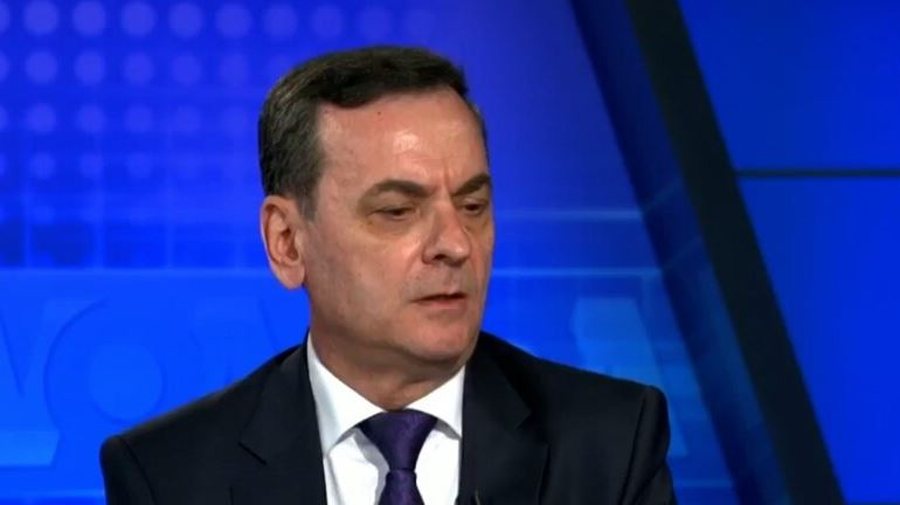
The President of the Supreme Court of Albania, Sokol Sadushi, says that both the court he leads and the entire justice system are facing challenges, but he expresses his belief that they are on the right track. In an interview for the Voice of America, Mr. Sadushi, who is in Washington with a delegation from the Constitutional Court and the Supreme Court of Albania, said that the justice reform that began eight years ago is yielding results. He says that the political accusations prove that the new justice bodies are working.
Full interview:
Mr. Sadushi, although the reform in justice was appreciated for what it achieved, for the establishment of new institutions, it also had consequences in the Supreme Court, which was filled with judges only last year. In these conditions, what are the challenges facing the Supreme Court today?
Sokol Sadushi: The Supreme Court and the entire justice system is facing challenges. In fact, justice is a challenge in itself. When it was formed in 2020, the Supreme Court faced a challenge because only one judge was on that court due to the vetting process, which dismissed the vast majority. It seemed a hopeless situation, with a volume of 36 thousand files. In fact, the pace is satisfactory and the challenge that the Supreme Court has to make it possible to reduce this burden, to prevent the arrival of new cases, to make it possible for decisions to be executed, for citizens to receive justice in a way as fast as possible, of course all of these are challenges in themselves. Already with 18 judges, the Supreme Court is fully functioning, but it has its own difficulties, related to the aspect of human, infrastructural and financial resources. Of course the Supreme Court faces these issues on a daily basis, but we have undertaken to do our best to make this court a court of hope, and I believe we are on the right track, despite the many problems that we meet every day.
When do you think the processing of backlog files can be closed, and what guarantee does the court have that this processing is done openly and in order, and there is no situation where a file arrives today and goes before those who are backlogged?
Sokol Sadushi: We have established the chronological criterion. We are judging the cases according to the time of registration. We have been very rigorous here, to overturn a mindset that cases are judged out of turn. The Supreme Court does not have cases that are judged out of order, except for cases that are justified, due to the situation presented by the case that must be done out of order. This large number of cases will have its own time, but I can tell you the numbers: the backlog has decreased by about 40 percent in 4 years, or rather in 3 and a half years. To reduce this stock to 40 percent in such time is a very high hope that matters will have a much faster pace. The fact that the Supreme Court works with 18 judges in full, then the pace will be more satisfactory in the coming year. With a kind of analysis that we have done, I believe that, removing the years 2017-2018 that have the highest number of cases registered in the Supreme Court, and the other years have less, I believe that in two years we will be in the last two years.
One of the other issues of your challenges is the high number of complaints coming to you and you have imposed fines on lawyers which also brought a strong reaction from them. What would be the solution in this regard?
Sokol Sadushi: I and all my colleagues will react very strongly to the way appeals are presented to the Supreme Court. It is a pity that 70 percent of the appeals presented by lawyers are inadmissible. And this is a very heavy figure, when you consider that 70 percent of citizens claim to receive justice and fail to receive it because the recourse presented by lawyers is of a low level. For this reason, we have also applied fines. Of course, the fine is not an end in itself and the Supreme Court cannot deal with fines, but we have sent a message by fining the lawyers. I mean here that last year we fined the State Bar in two cases, while private lawyers were fined in previous years.
Bringing obviously unfounded appeals is a phenomenon that should make private lawyers, the State Bar and the prosecutor aware, so that we don't have this situation. If 70 percent of state appeals are not accepted by the Supreme Court for administrative cases, we have over 70 percent of individuals who are not accepted in criminal cases.
We have an inverse which means that either the state with its lawyers or the individuals with their lawyers fail to convince with their appeals that the case has a case to be handled in the Supreme Court. This is a warning to lawyers to take this issue seriously, because no appeals can be accepted on these figures.
It can be understood when it is a private matter by individual persons, but when such a thing comes from the state, how do you explain it? Is it ignorance, or is it a way to go straight to the highest level of judgment?
Sokol Sadushi: Kjo është një nga përfundimet që kemi nxjerrë në këto vite, që shteti përfaqësohet jodenjësisht në Gjykatën e Lartë. Por kjo është një avantazh për qytetarin, sepse nëse shteti humbet 70 për qind, qytetari ka fituar në këtë 70 për qind, derisa ka humbur në 30 për qind. Në çështjet penale është e kundërta; shteti del aty më i favorizuar në raport me individin. Kjo lidhet ndoshta edhe me rolin që ka Avokatura e Shtetit, e cila duhet të jetë më në avantgardë për të ndjekur praktikën e Gjykatës së Lartë, për të kuptuar që në Gjykatën e Lartë duhet të paraqiten rekurse ashtu si e kërkon ligji dhe nuk mund të paraqitësh rekurse ashtu si janë paraqitur në Gjyaktën e Apelit, e cila është një gjykatë fakti dhe nuk është gjykatë ligji. Kjo kërkon ndërmjetësim të avokatëve të shtetit dhe të avokatëve privatë për të kuptuar që Gjykata e Lartë është gjykatë ligji dhe çështjet aty nuk trajtohen si në gjykatat e shkallës së parë dhe në Apel.
8 vjet pas nisjes së zbatimit të reformës, proces tek i cili ju keni qenë i angazhuar, si do ta vlerësonit sot këtë reformë? Çfarë mund të përmirësohet? Cilat janë sfidat?
Sokol Sadushi: Suksesi apo dështimi i një reforme mund të ketë subjektivizëm dhe nuk është e lehtë që ta matësh, por duhet kohë për të kuptuar se si kanë ecur gjërat. Duke nisur nga fakti se pse nisi reforma; për shkak të korrupsionit, për shkak të ndikimit politik, për shkak të korporatizmit, për shkak të mungesës së profesionalizimit, dhe për shkak të mungesës së llogaridhënies, jam i bindur se kur i shohim sot këto 5 drejtime kryesore, kur bën një bilanc gjithësecili është në gjendje të kuptojë se gjërat janë më ndryshe. Shpresa është dhënë në të gjithë aspektet. Kjo kuptohet në mënyrën se si po funksionojnë gjykatat.
Ka një shpresë që gjërat do të jenë më mirë, por çështja është që reforma do kohën e vet, duhet të jemi të matur dhe të duruar. Ne kur kemi bërë projektimin e reformës, kemi menduar të paktën një situatë gati 10 vjeçare, sepse lidhej me përfundimin e procesit të vetingut. Procesi i vetingut përfundon në vitin 2026, çka korrespondon pak a shumë edhe me pritshmërinë tonë. Institucionet janë riformatuar dhe po ecin, duke krijuar mundësitë e funksionit. Gjykatat dhe prokuroritë po plotësohen me numrin e gjyqtarëve dhe prokurorëve besoj se për dy vite.
Një nga gjërat që vihet re është se organet që dolën nga kjo reformë, varësisht nga vendimet që marrin ose nga akuzat që bëjnë, vihen në shënjestër herë pas here nga politikanë nga të dy krahët edhe nga shumica edhe nga opozita. A e cënon efektivitetin e reformës një përpjekje e tillë për të kritikuar atëherë kur mund të ketë prekje të disa njerëzve të një grupimi apo tjetrit?
Sokol Sadushi: This shows that the justice bodies are functioning. The fact that both political wings are critical of the judiciary means that they are probably on the right track. We understand that things are going better than they have been. The attacks are understandable from the political point of view, but public opinion will also be critical. We also appreciate the fact that criticism has a positive effect on us. Being under attack should not make us feel pressured. Being under attack does not mean that we do not perform the function for which we are charged. The judge and the prosecutor must be calm about the part of the attacks because if he is exercising his duty, the attacks will also be acceptable, but he must be able from these attacks not to give in to the exercise of his duty, for which is loaded.
What about the awareness of a political class that should not interfere in the justice process, do you think it has not reached the level that justice might want to reach at this moment?
Sokol Sadushi: The awareness of the political class is probably related to society itself. It is society that accepts this political class, and I am sorry to say this. As long as this society votes for this political class, it means that we are in a situation that we each have to see for ourselves.
The political class will probably self-educate through evolution or emancipation, but why not also through accountability and punishment. /VOA







Lini një Përgjigje