


 Shkruar nga Pamfleti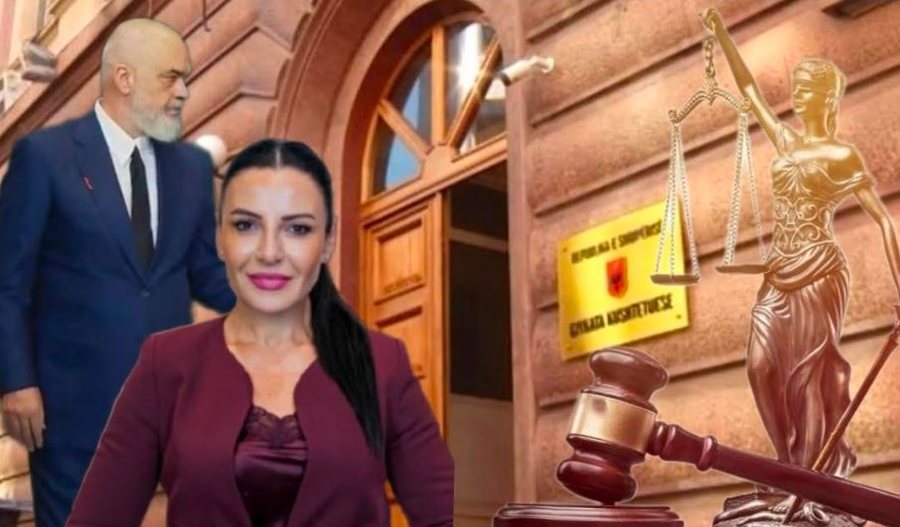
According to the Government, "immunity, being considered not a personal guarantee, but a constitutional means to ensure normal functioning, implies the performance of duty in an inviolable manner. Since the Constitution 'equalizes' the member of the Council of Ministers with the deputy, then the exercise of the duty of the minister is also inviolable."
The Constitutional Court convenes in a preliminary session regarding the appeal of the Government and Prime Minister Edi Rama, who oppose the security measure imposed by the GJKKO against Belinda Balluku.
The latter was suspended from government functions at the request of SPAK, following investigations launched regarding the Llogara Tunnel.
The preliminary hearing at the Constitutional Court will determine whether or not the decision given by the GJKKO will remain in force, as will whether or not it will be passed to a plenary session, to be subsequently reviewed as a substantive issue.
If the matter goes to a plenary session for review, it will be seen what the Constitutional Court will decide in relation to Belinda Balluku's suspension from office, until there is a full decision.
Appeal by the Government
Prime Minister Edi Rama attacked the GJKKO decision against Balluk, describing it as an intervention of one power against another.
In the appeal filed on this issue with the Constitutional Court, the Prime Minister motivates his finding with the fact that the decision "violates the guarantee of immunity of the member of the Council of Ministers, who, according to point 3, article 103, of the Constitution, enjoys the immunity of a deputy."
According to the reasoning, “this constitutional provision has recognized the minister with the same guarantees, including procedural ones, that the deputy has, guarantees that are necessary for the functioning of the minister himself and the Council of Ministers, as the highest constitutional, independent executive body”. For this reason, according to the complaint, “if the suspension from duty of the deputy cannot be judicially imposed, this suspension cannot be imposed on the member of the Council of Ministers either, because otherwise the very state activity of the executive that he leads would be suspended”.
In its decision, the GJKKO refers to Article 242 of the Code of Criminal Procedure, which provides for the suspension of the exercise of a duty. Point 2 of it stipulates that “this measure does not apply to persons elected under the electoral law.” And according to the Court, Balluku’s rights as a deputy are not violated.
But according to the government, "since Article 103 of the Constitution guarantees the equality of the two subjects in constitutional rights, even more so the equality in legal rights regarding the exercise of functions cannot be questioned. This paragraph, just as it prohibits the suspension from office of 'elected' persons, also prohibits the suspension of members of the Council of Ministers."
According to the Government, "immunity, being considered not a personal guarantee, but a constitutional means to ensure normal functioning, implies the performance of duty in an inviolable manner. Since the Constitution 'equalizes' the member of the Council of Ministers with the deputy, then the exercise of the duty of the minister is also inviolable."
Për pasojë, sipas qeverisë, GJKKO-ja ka bërë “jo vetëm interpretim të gabuar të nenit 242 të Kodit të Procedurës Penale”, por, si rrjedhojë, është “edhe në shkelje të garancisë kushtetuese të pikës 3, të nenit 103, të Kushtetutës, që parashikon se anëtari i Këshillit të Ministrave gëzon imunitetin e deputetit”.
Në ankimimin e Kryeministrit vihet në dukje se vendimi i Gjykatës së Posaçme për Ballukun “cenon parimin e ndarjes së pushteteve, duke vendosur pezullimin nga detyra të ministrit, si organ kushtetues i një pushteti tjetër, dhe pengon veprimtarinë e Këshillit të Ministrave”, si dhe “ndërhyn në kompetencat e organeve kushtetuese, që kryejnë propozimin, emërimin dhe miratimin e ministrit në detyrë”.
Sipas ankimimit, GJKKO-ja, me pezullimin e Ballukut, “ka krijuar de facto një situatë juridike të ngjashme me shkarkimin”, dhe kësisoj “ka ndërhyrë në veprimtarinë funksionale të Këshillit të Ministrave dhe në kompetencën kushtetuese të Kryeministrit për të propozuar emërimin dhe shkarkimin e ministrit”.
Në situatën e krijuar për shkak të vendimit me efekt pezullues të GJKKO-së, në ankimimin e tij kryeministri vlerëson se Qeveria “është penguar në përmbushjen e një sërë kompetencave të veta dhe se tashmë ai nuk mund të marrë në shqyrtim dhe as të nxjerrë akte sipas ligjit, për asnjë nismë, në rastin konkret, në fushën e Infrastrukturës dhe Energjisë”.
Sipas ankimimit, “ka një pengesë efektive të veprimtarisë së Këshillit të Ministrave, e cila përbën cenim të parimit të ndarjes së pushteteve. Kjo, duke qenë se Kushtetuta nuk parashikon mundësinë e organeve të pushtetit gjyqësor që të pezullojnë veprimtarinë e Këshillit të Ministrave apo të anëtarëve të tij”.
Kryeministri kujton më tej se “kompetenca për emërimin dhe shkarkimin e ministrit ndahet ndërmjet tri organeve: Kryeministrit, Presidentit dhe Kuvendit” dhe se “organeve të pushtetit gjyqësor, ku përfshihet edhe GJKKO-ja, nuk u njihet asnjë kompetencë nga Kushtetuta, në kuadër të emërimit dhe shkarkimit të ministrave, as edhe të pezullimit të tyre”.
Për këtë arsye, sipas Kryeministrit, vendimi i Gjykatës së Posaçme “ndërhyn drejtpërdrejt në kompetencën e tri organeve të shtetit. Rrjedhimisht, pushteti gjyqësor, pa një tagër të qartë kushtetues, dhe për më tepër në interpretim dhe zbatim të gabuar të dispozitës procedurale të nenit 242 të Kodit të Procedurës Penale, vendos të pezullojë vendimmarrjen e dy pushteteve të tjera të pavarura, sikurse janë pushteti ekzekutiv dhe legjislativ, të cilat këto kompetenca i ushtrojnë në koordinim me njëra-tjetrën”.
As a result, "this interference in the powers of the executive, as well as the legislative, power brings about the destruction of the legal order and violates the principle of separation and balance of powers, creating not only the suspension of the exercise of the duties of the Deputy Prime Minister and the Minister of Infrastructure and Energy, but also the suspension of the Presidential decree and the decision of the Assembly, through which this elected political functionary exercises this high state duty with political responsibility before the voters, the Albanian people."
The Prime Minister's request to the Constitutional Court, in addition to resolving the dispute over competences and interpreting immunity in the case of a member of the government, aims not only to repeal the decision of the Special Court to suspend Balluk, but also to nullify the effects of this decision, and to reinstate Balluk in office, until the Constitutional Court issues a final position.
According to the appeal, such an intervention is necessary because the decision of the Constitutional Court "affects high state and social interests, but also those of individuals themselves", and "leaving it in force would bring irreparable consequences for the governance of the country, creating an institutional vacuum, dysfunction of the Council of Ministers and the inability to exercise responsibilities. The Constitution — the text of the appeal emphasizes — does not allow a vacuum in the exercise of executive power and, therefore, it is the duty of the Constitutional Court to prevent the creation of such a vacancy".
The Special Court suspended the Deputy Prime Minister and the Minister of Infrastructure and Energy from duty, also prohibiting her from leaving the country. She is a defendant for alleged irregularities in the Llogara tunnel tender and is under investigation for the tender for Lot 4 of the Grand Ring Road. All 7 lots of the project are now under review, as well as other tender procedures. According to the Special Court, the measure is necessary because there is a risk that Balluku will tamper with evidence, influence witnesses or commit other similar “or even more serious” offenses, due to the functions she exercises, as well as the risk of fleeing the country.




Nje pyetje te thjeshte per te gjithe zhgarravinat qe hiqen si konstitucionaliste dhe zhuriste sebashku me te parin e qeverise se zhuristeve: Perse duan te bejne rolin e te zgjuarit kur Kushtetuta eshte Themeli dhe Kodi Penal dhe ai I Procedures Penale kane dale ne zbatim te Kushtetutes dhe jane ne harmoni me te ???? Pra e thene "zhuridikisht", keta lapanjoze po kerkojne te ndryshojne edhe Kushtetuten edhe Kodin Penal dhe ate te Procedures Penale vetem per nje prej 40 HAJDUTEVE te Ali Babes.... ???? Shkurt, Qarte, Paster dhe Thjeshte, kjo hajdute eshte kapur jo duke vjedhur POR SEPSE KA VJEDHUR DHE KA GRABITUR taksat e qytetareve, e provuar kjo vjedhje. Akrobacite imuniteti (qe nuk i eshte prekur akoma, por do ti hiqet) dhe funksioni zyrtar jane te ndara qartesisht dhe nuk ka vend per interpetime.
Keta hajdute bashipozuke,kerkojne te bejne te pamundur qe te shpetojne lekuren e tyre,dhe njekohesisht vazhdojne vjedhjet e grabitjet nga taksat e popullit me te varfer ne Europe. Po e bejne Kushtetuten si "leter higjenike". Keta e duan si ne Nepal,ti djegesh brenda si minj