


 Shkruar nga Pamfleti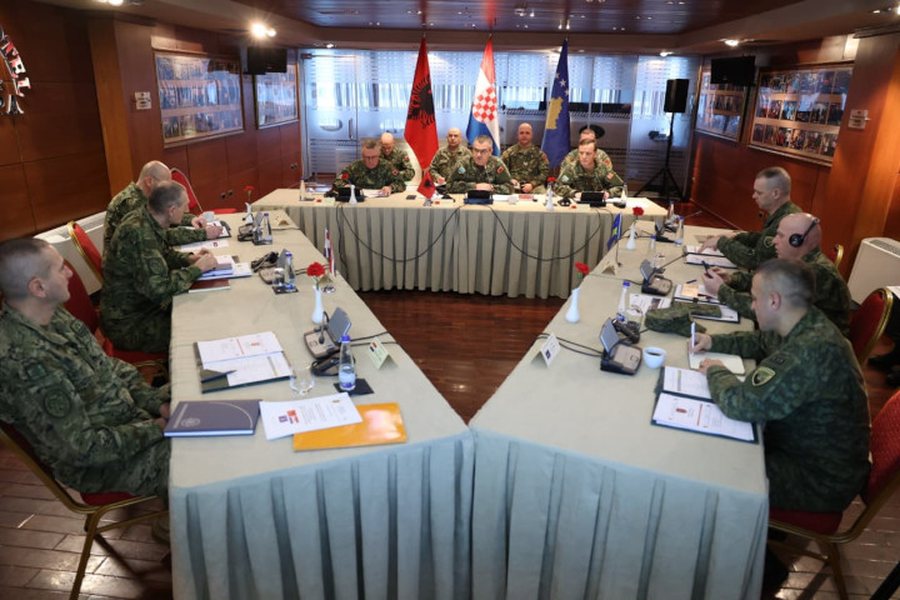
While in Serbia it is interpreted that an "alliance against Serbia" has been created, defense experts from Zagreb and Pristina believe that there is no reason for concern in Belgrade...
The joint military exercise between Albania, Kosovo and Croatia has caused strong reactions in Serbia.
The media reports that the military exercises between the three countries will take place in Zagreb and Tirana, while they are based on a memorandum of understanding in the field of defense, signed by the three parties in March 2025.
But official Belgrade claims that the memorandum contradicts the 1996 subregional arms control agreement, as well as UN Security Council Resolution 1244, according to which KFOR is the only armed force in Kosovo.
Serbian President Aleksandar Vučić commented on the announcement of the joint exercises over the weekend. In an interview with Informer television, he stated that the cooperation between Albania, Croatia and Kosovo is directed against Serbia.
"I have seen in the Croatian press that they write that I will go crazy because of the military exercises in Zagreb and Tirana. It is not directed against me, but against Serbia," Vučić said.
He added that relations between Serbia and Croatia remain tense also due to judicial and political issues between the two countries.
Analysis by Marija Stojanović
The Chief of General Staff of the Albanian Armed Forces, General Arben Kingji, announced last week that Albania, Croatia and Kosovo will hold joint military exercises this year. According to Albanian media, two of them will take place in Zagreb and one in Tirana.
Kingji stated that the cooperation plan includes not only joint exercises, but also the exchange of experiences and deeper operational coordination. This cooperation is based on a memorandum of understanding in the field of defense, signed by the three parties in March 2025. The agreement has caused strong reactions from the Serbian authorities.
Official Belgrade claims that the memorandum contradicts the 1996 subregional arms control agreement, as well as UN Security Council Resolution 1244, according to which KFOR is the only armed force in Kosovo.
Serbian President Aleksandar Vučić commented on the announcement of the joint exercises over the weekend. In an interview with Informer television, he reiterated that the cooperation between Albania, Croatia and Kosovo is directed against Serbia.
“Kam parë në shtypin kroat që shkruajnë se unë do të çmendem për shkak të stërvitjeve ushtarake në Zagreb dhe Tiranë. Nuk është e drejtuar kundër meje, por kundër Serbisë”, tha Vuçiç. Ai shtoi se marrëdhëniet me Kroacinë mbeten të tensionuara edhe për shkak të çështjeve gjyqësore dhe politike mes dy vendeve.
Në një intervistë për “Savremena politika”, Ramadan Ilazi, drejtor i kërkimeve në Qendrën Kosovare për Studime të Sigurisë në Prishtinë, tha se e kupton shqetësimin e autoriteteve serbe, por nuk sheh arsye objektive për alarm.
Sipas tij, nga pikëpamja e sigurisë ushtarake, aktori kryesor në Kosovë mbetet NATO përmes misionit KFOR.
Ilazi vlerëson se interpretimet dramatike të marrëveshjes mund të lidhen edhe me zhvillimet e brendshme politike në Serbi.
Ai thekson se marrëveshje të tilla janë pjesë e zakonshme e strategjive mbrojtëse të shteteve të vogla dhe synojnë kryesisht rritjen e ndërveprueshmërisë ushtarake, trajnimin dhe përmirësimin e reagimit ndaj krizave.
Në fund të janarit, në Zagreb u mbajt një takim mes përfaqësuesve të Kroacisë, Shqipërisë dhe Kosovës në nivel të drejtorëve për politikën e mbrojtjes dhe armatimet. Ministria kroate e Mbrojtjes njoftoi se palët diskutuan mundësitë për forcimin e bashkëpunimit në kapacitetet mbrojtëse, bashkëpunimin mes industrive të mbrojtjes dhe zbatimin e memorandumit të nënshkruar në Tiranë më 18 mars 2025.
Në fillim të shkurtit, në Shkodër u zhvillua gjithashtu një takim mes shefave të shtabeve të përgjithshme të Shqipërisë dhe Kroacisë dhe komandantit të Forcës së Sigurisë së Kosovës. Diskutimet u përqendruan në thellimin e bashkëpunimit ushtarak përmes planeve konkrete.
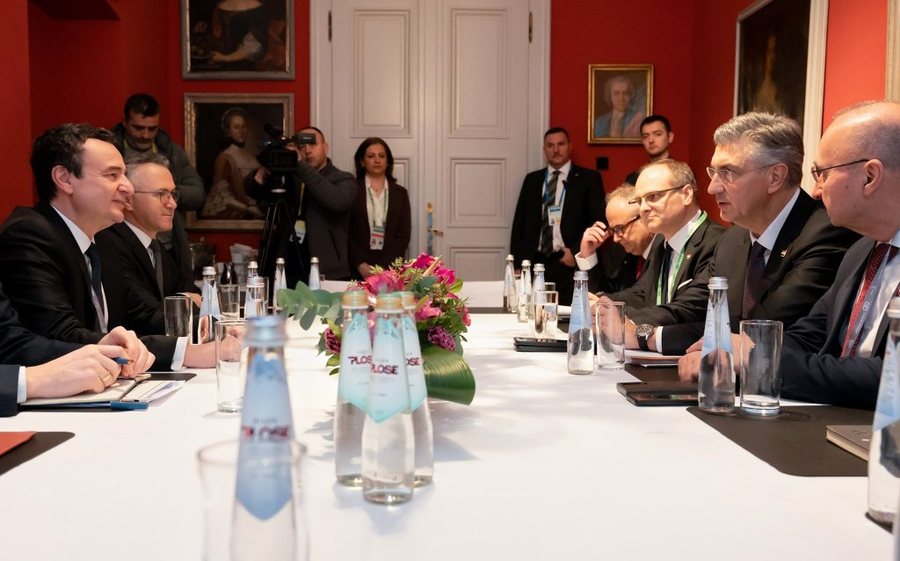
Pak ditë më vonë, në margjinat e Konferencës së Sigurisë në Mynih, u takuan ministrat e mbrojtjes së Kroacisë dhe Shqipërisë si dhe kryeministrat e Kosovës dhe Kroacisë, Albin Kurti dhe Andrej Plenkoviç.
Kurti deklaroi se Kosova ndan vlera të përbashkëta me Kroacinë dhe se Zagrebi mbështet anëtarësimin e Kosovës në NATO dhe në Bashkimin Evropian.
Plenkoviç, në një postim në rrjetin social X, tha se me Kurtin diskutoi për situatën në rajon, sfidat e sigurisë dhe statusin e pakicës kroate në Janjevë, duke theksuar se Kroacia vazhdon të forcojë bashkëpunimin me Kosovën dhe mbështet rrugën e saj evropiane.
Vuçiç, i cili gjithashtu mori pjesë në konferencën e Mynihut, reagoi ndaj këtyre takimeve duke deklaruar se Serbia do të ndërmarrë hapa në përputhje me situatën.
Megjithatë, disa ditë më vonë, gjatë një samiti në Nju Delhi, ai tha se kishte zhvilluar një bisedë të gjatë me kryeministrin kroat.
“Sipas Plenkoviçit, ky bashkëpunim nuk është i drejtuar kundër Serbisë”, deklaroi presidenti serb.
Ilazi argumenton se bashkëpunimi ushtarak mes Kosovës, Shqipërisë dhe Kroacisë duhet parë kryesisht si një formë normale e bashkëpunimit mbrojtës mes Kosovës dhe vendeve anëtare të NATO-s, të cilat kontribuojnë edhe me trupa në misionin KFOR.
He recalls that countries like Finland and the Baltic states followed similar cooperation models for decades before becoming NATO members.
According to him, such agreements are not uncommon in Europe and usually aim to strengthen military capabilities and coordination between partners.
A similar position is expressed by Senada Selo Sabić, scientific advisor at the Institute for Development and International Relations (IRMO) in Zagreb.
She states to "Savremena politika" that she does not see this agreement as a threat to Serbia or to peace in the region.
According to her, it is about defense cooperation within the framework of international obligations, considering that Croatia and Albania are members of NATO and that cooperation takes place within the Euro-Atlantic security context.
Selo Sabić emphasizes that the interpretation of an initiative as a threat often depends on the political message it is intended to convey.
According to her, the initiative can also be seen as a step towards strengthening regional stability and military interoperability, which in the future could open space for broader regional cooperation in the field of security.
Ilazi adds that the trilateral agreement should also be seen in the context of two important developments in recent years: Kosovo's inability to join NATO and the Banjska incident in 2023.
He also points out that Vučić's statements about the possibility of Serbia following Azerbaijan's example in Nagorno-Karabakh have caused concern in Kosovo.
According to Ilazi, integration into the European Union and NATO would help reduce security dilemmas in the Western Balkans.
He argues that membership in these organizations would significantly reduce tensions and concerns related to military cooperation between countries in the region.
At the same time, he emphasizes that there are concerns in Kosovo regarding Serbia's security policies, including the concept of "total protection", the increase in special forces, as well as military cooperation with Russia and the purchase of military equipment from Russia and China.
For her part, Senada Selo Sabić emphasizes that Serbia, like any sovereign state, has the right to decide on its own security agreements and cooperation with NATO, which it already develops in several forms.
However, she underlines that other countries also have the right to develop their own forms of cooperation.
According to her, security issues in the region should be addressed with transparency and without rhetoric that unnecessarily increases tensions. / Adapted from Savremena politika /




Lini një Përgjigje