


 Shkruar nga Pamfleti
The large demographic movements of the population and the mountainous terrain have made health services more difficult in many rural areas in Albania.
Young doctors have recently been involved in many medical centers that serve at local levels, facing the challenges of the profession, but also of the field.
In the vast majority of rural areas, the elderly predominate, and this increases the need for doctors even more.
Challenges of young doctors in rural areas in Albania
The large demographic movements of the population and the mountainous terrain have made health services more difficult in many rural areas in Albania.
Young doctors have recently been involved in many medical centers that serve at local levels, facing the challenges of the profession, but also of the field.
In the vast majority of rural areas, the elderly predominate, and this increases the need for doctors even more.
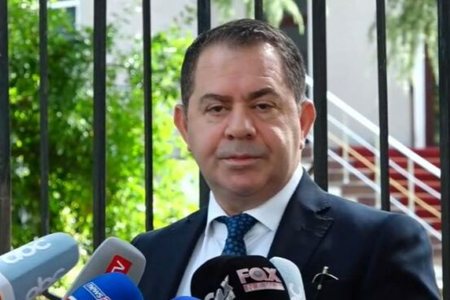
In Picar, a village between the mountains in Gjirokastër, Elvis Guçe, a young doctor, works in the health center that also covers the surrounding areas.
Elvis returned from Greece after completing the first cycle of studies and has been working as a general practitioner for a year.
"I came back because I missed my people, I missed my hometown, I came back because I wanted to see that what I heard while following the news is really tangible on the ground. Fortunately, I actually see that things are moving."
Elvisi further says that there is a difference between the health system he has known in Greece, a country of the European Union, and the one he is experiencing in Albania.
Greece already had structures set up ten years ago, on the other hand, there is differentiation here in the demographic aspect we are talking about, here there is differentiation in the sense of community awareness about health, here there is a lack of doctors, not that there are none, even in Greece they have doctors started to leave, but here this phenomenon is more pronounced.
Elvis also talks about the challenges that young doctors have, especially in rural areas.
We have a large geographical area, while the number of inhabitants, due to demographic movements, I don't think it is unaffordable. Despite the fact that there is a widespread opinion that it is difficult to do things here, you will have to struggle to do things here, I can at the moment say with my mouth full that whatever kind of thing I needed and asked for the health center has been fulfilled. or has the maximum been done to complete me by the superiors.
Elvis tells about two of the things that a young doctor coming from abroad must adapt to the Albanian reality.
First he says not to have maximum expectations but to be aware that he will give a lot of himself and secondly he will find a community that needs to be aware of health.
“Ai që vjen nga jashtë nuk duhet të presë maksimumin, por duhet të mendojë që do të japë nga vetja e tij për të arritur maksimumin. E dyta që duhet të ketë parasysh një mjek i ri i porsadalë këtu në terrenin shqiptar është që do të duhet të ketë punë të vazhdueshme në ndërgjegjësimin e komunitetit, sidomos të moshave të treta, lidhur me kujdesin për shëndetin dhe kontrollet mjekësore.”
Shumë mjekë të sapo diplomuar po largohen gjithnjë e më shumë nga Shqipëria. Elvisi thotë se një faktor i rëndësishëm për mbajtjen e mjekëve është rritja e pagave në sistemin shëndetësor.
“Unë mendoj që ndoshta një faktor shumë i i rëndësishëm është shpërblimi në pagë pasi në fund të ditës të gjithë punojnë për pagën që marrin në fund të muajit. Gradualisht, duke u përmirësuar dhe sistemi i specializimeve të mjekëve dhe pagat e mjekëve, qoftë në parësor, por në gjithë hierarkinë mjekësore, mendoj që mjekët do kthehen disa dhe do qëndrojnë në atdhe një përqindje më e madhe mjekësh të porsa diplomuar.
Drejtori i Njësisë Vendore të Kujdesit Shëndetësor në Gjirokastër Edi Sinojmeri thotë se vitet e fundit janë përmirësuar përmes rikonstruksionit qendrat shëndetësore në shumë zona rurale dhe janë plotësuar me mjekë, sidomos të sapo diplomuar.
Me riorganizmin e ri të qendrave shëndetësore po ju them me bindje që kemi pothuajse të plotësuar numrin e mjekëve dhe të infermierëve mbi bazë të portalit të ministrisë së Shëndetësisë dhe Mbrojtjes Sociale.
Zoti Sinojmeri thotë më tej se vështirësitë e terrenit dhe përbërja e popullsisë nga moshat e treta në zonat rurale janë sfida për mjekët që punojnë në këto zona.
“Gjirokastra për vetë gjeografinë e saj ka zona edhe të thella malore ku shikoj një përkushtim sidomos nga mjekët e rinj që kanë ardhur dhe kryejnë profesionin e tyre duke ndihmuar dhe brezin e tretë. Ky brez që banon në zonat rurale nuk ka kujdesin e fëmijëve apo të afërmve që kanë emigruar. Unë jam shumë i kënaqur që shoh një përkushtim nga mjekët e rinj duke qëndruar afër pacientëve, afër qytetarëve dhe duke u shërbyer atyre qoftë dhe duke i ekzaminuar dhe me mjekë specialistë në bashkëpunim me spitalin rajonal në Gjirokastër."
Sipas të dhënave zyrtare vetëm në 6 muajt e parë të këtij viti në sistemin shëndetësor publik në Shqipëri janë punësuar 195 mjekë të përgjithshëm dhe mjekë specialistë”, por nevojat janë të mëdha në shumë zona të vendit.
Ministrja e Arsimit Evis Kushi tha në parlamentin e Shqipërisë korrikun e këtij viti se në institucionet shëndetësore shqiptare punojnë 5400 mjekë, me një tregues në raport me numrin e banorëve më të ulët, krahasuar me vendet e rajonit.
“Nga njëra anë ne në institucionet tona shëndetësore, kemi 5400 mjekë që po t përkthejë më treguesin, standardin e numrit të mjekëve për 1000 banorë është 1.93 mjekë për 1000 mijë banorë. Sigurisht para pak vitesh ishte 1.2, ne kemi arritur ta rrisim këtë tregues në 1.93, por ende jemi larg standardit që dëshirojmë dhe kemi ambicie. Në vendet e tjera të rajonit ky standard është 2.6 mjekë për 1 mijë banorë, ndërsa në vende të zhvilluara të OECD, ky standard është 3.6 mjekë për një mijë banorë.”
Sipas ministres së Arsimit, shkalla e emigracionit është 20 për qind e mjekëve të diplomuar .
"The phenomenon of the departure of doctors and professionals in the field of health to Western countries, to developed countries, is now a reality not only for Albania but also for other countries in the region, even for the countries of the European Union itself. There are 1,200 doctors who graduated in Albania, but who today work and contribute to health institutions of European Union countries or even OECD countries. If we calculate the rate of emigration, it is almost 20%."
In July, the Parliament approved a mandatory law on staying in Albania for 5 years for students who graduate from the state medical university, which provoked strong reactions from the students themselves./ VOA



Lini një Përgjigje