


 Shkruar nga Pamfleti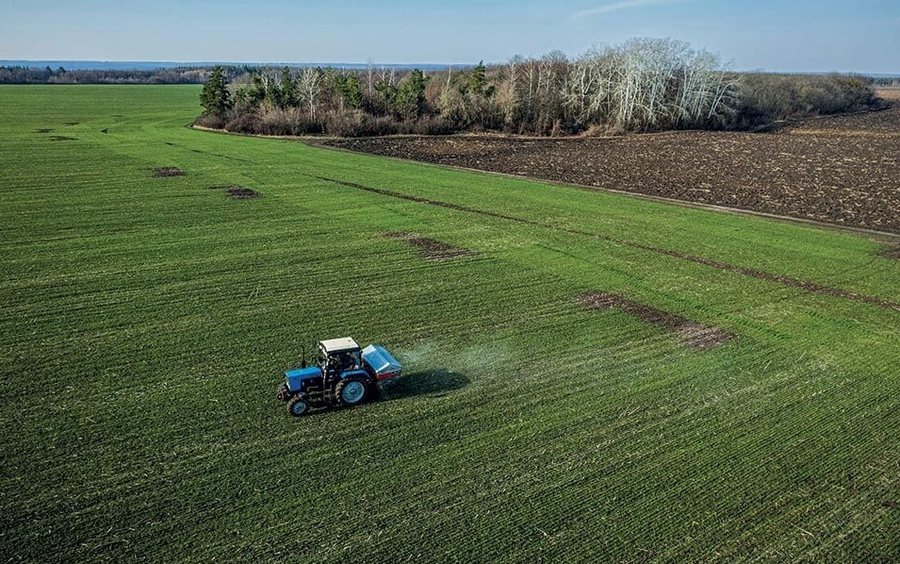
Farmers equipped with a NIPT who will sell their agricultural products to collectors, processors or agritourism will benefit from the 10% VAT compensation scheme proposed with the new fiscal package.
Farmers subject to VAT will be excluded from the compensation scheme.
The draft “On some amendments to Law No. 92/2014, 'On Value Added Tax in the Republic of Albania', as amended” provides that the beneficiary category of the compensation will be farmers equipped with a VAT number, that is, those who will sell to the collector or processor.
According to the VAT law, a farmer equipped with a NIPT for a turnover of up to 10 million lek sells his products to the processor or collector without a VAT invoice, but through an autoinvoice issued by the buyer (processor or collector), in the name of the seller (farmer).
"The flat-rate compensation of agricultural producers is a VAT mechanism for those farmers who are not subject to VAT and as such, neither charge VAT to the buyers of their agricultural products, nor are they entitled to deduct the VAT paid on purchases.
"Given that the compensation scheme with reimbursement through the tax administration will be implemented for the first time, in the interest of good administration, it is proposed that the scheme be limited by determining that the buyer of agricultural products must be a taxable person registered for VAT, who carries out activities as a collector and/or processor of agricultural products or agrotourism certified according to the legislation in force on tourism," it is quoted in the report of the new draft law.
So far, according to tax data, there are 100,000 registered farmers equipped with NIPT who have the right to sell their products to processors and collectors, without a VAT invoice, but through an autoinvoice that is filled out by the buyer. In 2024, according to tax administration data, there are about 9,875 farmers who have sold their products to 659 buyers.
The 10% compensation rate aims to compensate farmers for a portion of the VAT they pay on inputs, including seeds, seedlings and fertilizers, in order to produce their agricultural products.
The financial effect in the first year of implementation is estimated at around 1.5 billion lek.
How will the scheme work?
The report explains that it will be the farmer who will make the request for the 10% VAT compensation to the tax administration. In addition to the request, the farmer must also submit the invoices issued by the buyer, i.e. the invoices in which the farmer's NIPTI is also listed, as well as his bank account number. The request for compensation is submitted according to the following periods: within December 31, for supplies made during the January-June period of the respective year. Within June 30 of the following year, for supplies made during the July-December period of the previous year.
The request will be sent by post or electronically. The tax administration will make the compensation within 30 days from the date of submission of the request.
How the previous VAT scheme worked
Until 2017, the 20% VAT refund for the farmer went through the processors, which means that e.g. for every purchase with a tax invoice from the farmer, the processor could credit this value to the deductible VAT. This scheme made it economically advantageous to purchase even at a high price for the farmer and ensured a stable profit margin for the industry.
From 2019 to 2022, the scheme changed. Initially in 2019, VAT on purchases (by farmers) was reduced to 6%, while it was completely abolished in 2022.
Instead of VAT reimbursement, the government applied direct subsidies of up to 10,000 lek per head of cattle/cow to farmers.
In relation to the draft, the Ministry of Finance emphasizes that since 2022, when the 0% compensation rate for farmers was established, there has been a twofold increase in the number of farmers benefiting from subsidies and a twofold increase in the amount of subsidy provided.
For 2024, there are about 14 thousand farmers who have received 2.64 billion lek in subsidies.
From 2022, oil subsidies have been included in the support measures, from which in 2024 around 31,500 farmers benefited in the amount of 1.25 billion lek./Monitor.al




Lini një Përgjigje