


 Shkruar nga Pamfleti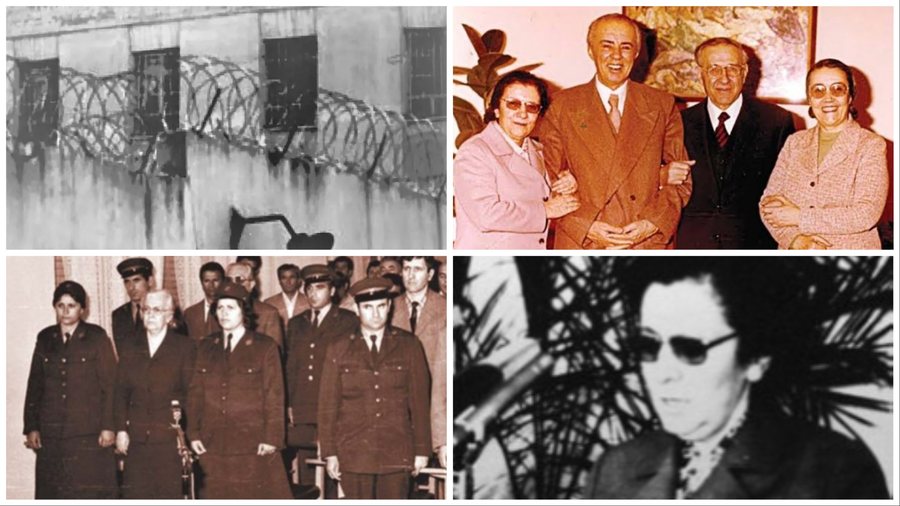
Zejmeni is a village approximately 10 km away from the city center of Lezha and, to get there, it was not an easy journey. Not only a matter of infrastructure, but also the positioning of the cemeteries in the area, in the depth of the municipality of Shënkolli, where if it were not for the orientation of the indigenous residents, arriving at the destination could have turned out to be a failed attempt. Once upon a time, that cemetery was the last residence of some of the most prominent personalities of the time, including the wife of former Prime Minister Mehmet Shehu, Fiqrete. But, this truth, few people knew, except for the cemetery guard, Ndue Tarazhi.
He was the first person to whom this fact was secretly confessed, by a police officer, during the exchange of tobacco, as is customary, from those areas...! This policeman accompanied the body of Fiqrete Shehu, along with three other cars, the day he was brought to Zejmen in Lezha.
Today it is the son, Gjeta, who tells us the event, which was naturally discussed that evening in the Tarazhi family, without leaving the walls of the house. Because the entire formal ceremony had to be performed in complete secrecy, while the cemetery was closed for three days.
It served as the last residence for the individuals who were serving the sentence in the nearby prison, who were all men, and this is information that comes from the protagonists of the co-sufferers of the time.
One of them, the son of the cemetery guard, and former convict in a cell with Dashnor Mamaq, Gjete Tarazhi, once a ship captain by profession, tells us about his memories of the days in the cell with Mamaq and his worries for his daughters, as well as for the "burial" ceremony, with a stone on the grave and a bottle with a number on it, of Fiqrete Shehu.
While Pjetër Zefi, the oldest resident of the village, tells about the unexpected meeting with Skënder Shehu, while the historian Pal Trashaj, speaks from the perspective of the researcher, about this event that happened in 1988, where the formal ceremony was carried out in complete secrecy , with the sole aim of hiding the remains of Fiqrete Shehu.
Mr. Gjet, you are a resident of Zejmen, but unfortunately you have also tried its infamous prison, what is your story?
My name is Gget Ndue Tarazhi. I was born and raised here in Zejmen of Lezha. I had a difficult life, especially after I was convicted by the communist regime, on the charge of trying to escape. I ran the ship "July 10", that's what it was called. We only patrolled the waters of the Adriatic.
The way the system worked then, the moment a deviation from the border of the Albanian sea waters was detected, even though every coordinate was studied, because no movement was made without permission and a special order, a slip was enough for them to consider the story as an attempt escape.
I was sentenced in 1976. I have always talked about the years in prison with nostalgia, because I call myself lucky, that I was able to be in a cell with Dashnor Mamaqi, for a full five years, we slept on the same mattress. Then, there in prison, I got to know Todi Lubonja, Kasem Trebeshina, etc., who were well-known figures at the time.
What memories do you keep from Dashnor Mamaqi?
In Ballsh prison, our cell was called; "revisionist cell", that is, we were the most dangerous group, and therefore we had a more prominent place than the others. I was the youngest, together with Alajdin Kapo, Hysni Kapo's nephew.
For Dashnor Mamaq, I have the greatest memories and respect, as he was a special person, above all, very smart. He spoke to me openly about his worries, more about the concern he had for his daughters. In a way, he seemed to feel guilty, for the consequences they had…!
Cosette had a weak point, especially due to the fact that her husband had separated her, due to biography issues, that is, because of Dashnor's imprisonment. She was interned in Vlora, while the other girl was an operator and worked in Tepelena.
The lover was a closed nature, as he cried about his troubles, mainly for his family, his daughters. Also, he was among the most informed people there in the prison, he read all the time. The fact that Dashnori was claimed to have been one of the most prepared people in the government of Enver Hoxha and all the senior leadership of that time was also discussed in prison by other intellectuals.
He died in the prison of Zejmen, to be buried later in the village cemetery, right?
Dashnori died in the prison of Zejmeni, which belongs to the municipality of Shënkolli. My father was a cemetery guard and gravedigger whenever needed. After the event was recorded in the prison register, Dashnori was not buried, but rather buried...! Because he was thrown into a pit, where only a plaque was placed on the grave and a bottle with no. 13, the number he had kept as a prisoner, during the years of his sentence.
I remember it very well, since we slept on the same mattress for five years in a row. It was a very sad event, because the whole family was scattered in deportations, in different districts of Albania, he was buried by a prison employee, while my father helped during the process, that's why I'm obsessed, when he told me later, when he got home. This happened after I was released from prison...!
Being the son of the keeper of the cemetery of Zejmen, were you aware of the fact that Fiqrete Shehu was later buried in that place?
Asnjeri nuk e ka ditur këtë fakt, përveç babait tim, pasi edhe atij ia tregoi në konfidencë, një nga punonjësit e burgut të Tiranës, që shoqëronte kufomën atë ditë…! Kush ka hyrë në këto varreza, për të kryer ceremonitë mortore ose, për të kujtuar të afërmit që kanë ndërruar jetë, nuk e kanë ditur që aty prehej e shoqja e Mehmet Shehut.
Ç’ju ka treguar babai, rreth kësaj ngjarjeje?
Zejmeni është thuajse fshat i vogël, me afërisht 700 banorë. Varreza e fshatit, ishte e projektuar për të burgosurit që ndërronin jetë në burgun e Zejmenit, i cili ka pasur vetëm burra. Dhe këtë e them me përgjegjësi të plotë, pasi jo vetëm kam qenë një nga bashkëvuajtësit aty, por edhe banor i zonës.
Ky ishte një burg i vogël, i ndarë në tri godina, një për personalitetet, një për të burgosurit nga radhët e ushtrisë ose, Ministrisë së Mbrojtjes, dhe tjetri për njerëzit e thjeshtë, të dënuar për krime, nga më ordineret.
Pra, fakti që ka pasur vetëm burra, ndërsa varrezat e fshatit ishin më poshtë, domethënë për banorët e thjeshtë, e komplikon situatën…! Atë ditë erdhën tri makina me targa të Tiranës dhe ata ishin punonjës të burgut, si edhe disa njerëz të Sigurimit të Shtetit.
Im atë që ishte rojtar, u nxor menjëherë nga varrezat dhe vendi u rrethua i gjithi, ndërsa varreza u mbyll për tri ditë rresht. Gjithçka u krye në fshehtësi, ndërsa babai, duke qenë punonjës, i vëzhgonte nga aty afër.
Ju thoni që u mbyll varreza për tri ditë…?! Nuk ngjallte kjo dyshim, apo kuriozitet te banorët e fshatit?
Duke shërbyer si banesë e fundit për personat e dënuar, që ndërronin jetë në burg, nuk ndodhte që të kishte humbje jete përditë…! Ky burg ishte i vogël për nga madhësia e, numri i të dënuarve, ndaj dhe nuk ra në sy kjo situatë.
Po si u morr vesh që aty po varrosej Fiqirete Shehu?
E gjithë situata ishte e studiuar mirë dhe qëllimi ishte vetëm një: zhdukja e eshtrave të Fiqretes. Sepse, duke qenë varrezë për të dënuarit në burgun e Zejmenit, të cilët ishin vetëm burra, nuk mund të kuptohej, që aty prehej edhe një femër…! Babai ma ka shpjeguar çdo gjë me detaje e, disa ditë më vonë, unë kam shkuar vetë dhe e kam parë nga afër vendin.
Duke qenë se varreza u mbyll për tri ditë dhe procesi u krye në fshehtësi, madje sipas tim eti, ata nuk donin të merrej vesh, nëse procesi do kryhej natën apo ditën, babai e mësoi këtë fakt, që ditën e parë kur punonjësit e burgut erdhën aty e, njëri prej tyre, një polic, shkëmbeu një cigare me babanë, dhe në fshehtësi, me mirëbesim, i kish thënë që ka vdekur Fiqrete Shehu dhe donin ta groposnin këtu…! Nëse ai do të tregonte, pasojat diheshin, ndaj dhe lajmi, u izolua menjëherë nga familja jonë.
Cila ka qenë arsyeja që e shoqja e ish-kryeministrit të vendit, u varros në Zejmen të Lezhës, ndërkohë që ndërroi jetë, në burgun e Tiranës?!
Ata e sollën trupin e saj nga Tirana, menjëherë këtu në Zejmen, për të mos e ditur se ku preheshin eshtrat e saj…! Është e kuptueshme, kjo ishte varrezë vetëm për të dënuarit e burgut të Zejmenit, të cilët ishin burra të gjithë, dhe nuk mund t’i shkonte ndërmend njeriu, që aty kishte dhe një grua.
Njësoj si edhe në rastin e Dashnor Mamaqit, edhe Fiqretja, kishte një gurë mbi krye dhe një shishe me numër brenda, për të mundësuar identifikimin vite më pas, kur ndonjë nga familjarët, do ta kërkonte për ta zhvarrosur.
Pas Dashnor Mamaqit, Fiqrete Shehut, edhe një tjetër personazh i njohur, si kontesha daneze, Ollga Libohova, u preh për vite me radhë në të njëjtin vend, apo jo? A ishte kjo një rastësi?
Kemi dëgjuar shumë histori për Ollgën, jo vetëm se ajo ka qenë për vite me radhë banore e fshatit, si e internuar në kampin e Zejmenit të Lezhës, me vend-ndodhje më larg se burgu. Ajo jetoi shumë vite aty, deri ditën që vdiq. Ishte grua fisnike e, me kulturë të gjerë.
Këtë e thonë ende sot, banorët më të vjetër të Lezhës, pasi ajo ka lënë pas kujtime shumë të bukura. Ndryshe nga rasti i Fiqretes, ajo u preh në varrezat e Zejmenit, sepse ishin vendi më i afërt, me shtëpinë ku ajo kishte jetuar, ndërsa i shoqi, i kishte vdekur shumë vite më parë e, familja ishte e internuar, e shpërndarë.
Pjetër Zefi: “Si i gjeti eshtrat e së ëmës, Skënder Shehu”?
Duke qenë një fshat i vogël, me pak familje, nuk është e vështirë të gjesh pikë-lidhjen me atë që sot mund të jetë ndër personat më të moshuar të Zejmenit të Lezhës. Pjetër Zefi, është tek të 90-at, dhe një ndër pleqtë e zonës, me banim më afër varrezave të Zejmenit.
Historinë e groposjes së gruas së ish-kryeministrit Mehmet Shehu, ai e mësoi pas rënies së sistemit komunist, disa vite më vonë, pikërisht në ditën kur do të ishte rastësia që e takoi me djalin e dytë të Mehmet Shehut, Skënderin…
Pjetër, si u takuat me djalin e ish-kryeministrit Mehmet Shehu?
Ishte rastësi takimi me të…! I ngjante shumë të atit. Pasi m’u prezantua si djali i filanit, më tha: “Na ka vdekur nëna në burg, e kemi të dhëna, por jo të sigurta, se gjendet këtu në varrezat e Zejmenit”. Më pyeti nëse mund ta shoqëroja te shtëpia e rojtarit të varrezave, Ndues, babait të Gjetës dhe, duke qenë se me shtëpi ishim afër, e çova tek ai.
Dukej i shqetësuar?
Gjatë rrugës, bëmë një bisedë të shkurtër. Kishte kaluar vite të tëra në burg dhe nuk ishte një jetë e lehtë. Ai më tha se nuk ishte i sigurt, nëse ishte aty, sepse po të kishte qenë ndryshe, do e kishte marrë kazmën vetë dhe, bashkë me të vëllanë, Bashkimin, do i kishin zhvarrosur vetë, eshtrat e të ëmës.
Ndaj, pasi kishte pyetur në burgun e Tiranës, nëse ishte mbajtur ndonjë regjistër me të dhënat për vdekjen e Fiqretes, nuk kishte marrë informacion të saktë. Kishin pyetur në shumë të njohur, ish-të burgosur dhe, sipas fjalëve të tyre, u ishte thënë që Fiqretja, ishte groposur në Zejmen, në varrezën për të dënuarit, që ndërronin jetë në burg, të cilët ishin burra të gjithë.
So, Skënder Shehu did not come directly to Zejmen, to take the remains of his mother?
They had also searched in other cities, in cemeteries that had been close to prisons, or in those places where unidentified bones had been found over the years. Fiqirete's family members did not know where her bones were resting, so they came to ask in the village, after they had received directions. I took him to the watchman's house, and he then showed him the exact location.
What was their experience?
After the location was specified, Skenderi came next, together with his brother, to exhume Fiqirete's remains. It was a simple and touching ceremony, because the boys were not meeting their mother forever.
Historian Pal Trashaj: "We didn't know that Fiqiretja rested here"!
The burial of the remains of Fiqirete Shehu, in the Zejmeni Cemetery in Lezha, not because he is among the residents of the area, but also considered from a research point of view, for Pal Trashaj was among the events that was kept isolated for years.
It took the "hour" of the overthrow of the dictatorship system, for the truth of the burial of the remains of the wife of former Prime Minister Mehmet Shehu, after she died in Tirana prison, to come to light and become known, especially after the village spread the news that the sons of Mehmet Shehu had come to exhume the remains of their mother.
As far as I have known it as an event, in my point of view, all these attempts to destroy the remains of personalities of the Fiqrete series, have been empty "tribbles" of that system. However, the attempt was clean, they should not have left a mole...!
Therefore, Fiqretja was also brought to this cemetery, which served for convicts who died inside the prison of Zejmen, which was only for men. Who could have thought that a woman, like that of former Prime Minister Mehmet Shehu, would be buried in such a cemetery...?!
We, as residents of the area, have never known that Fiqiretja rested there, because there were other cemeteries below, for the residents of the village. This is called the Gajush cemetery, of Zejmeni in Lezha, that is, it was for the convicts in prison. Therefore, in order not to find out the location, lost places were chosen, to disappear the traces.
If Mehmet's sons had correct information, they would not have asked where they could look for their mother's remains. While the rest of Dashnor Mamaqi and the Danish countess, Ollga Libohova, are part of the coincidence, the fact that they came after the sentence in prison and life in the internment camp, so their last apartment was there," Trashaj concludes his story. /Memorie.al




Lini një Përgjigje